Post by : Amit
Mexico’s Logistics Overhaul Marks Start of a New Era
Mexico’s government has announced a sweeping multi-billion-dollar investment plan to modernise the country’s logistics infrastructure. The ambitious initiative, unveiled at a high-profile event in Mexico City, aims to boost trade efficiency, attract foreign investment, and position Mexico as one of the world’s most competitive transport and supply chain hubs. Officials say the program will focus on overhauling ports, rail networks, and highways, while also injecting funds into cutting-edge technology for cargo handling and customs operations.
The announcement comes at a critical time. Mexico has been experiencing rapid export growth, particularly in the automotive, electronics, and agricultural sectors, thanks in part to nearshoring trends from North America. However, aging infrastructure, bottlenecks at key ports, and inconsistent road quality have hampered the country’s ability to meet surging demand. This latest initiative signals the government’s recognition that without a world-class logistics system, Mexico risks losing its competitive advantage.
A Strategic Vision for Global Competitiveness
The investment plan is more than just a domestic infrastructure push—it is a direct play for global trade dominance. Government ministers described the program as a “logistics revolution,” one that will integrate Mexico’s supply chain capabilities with international markets more seamlessly than ever before.
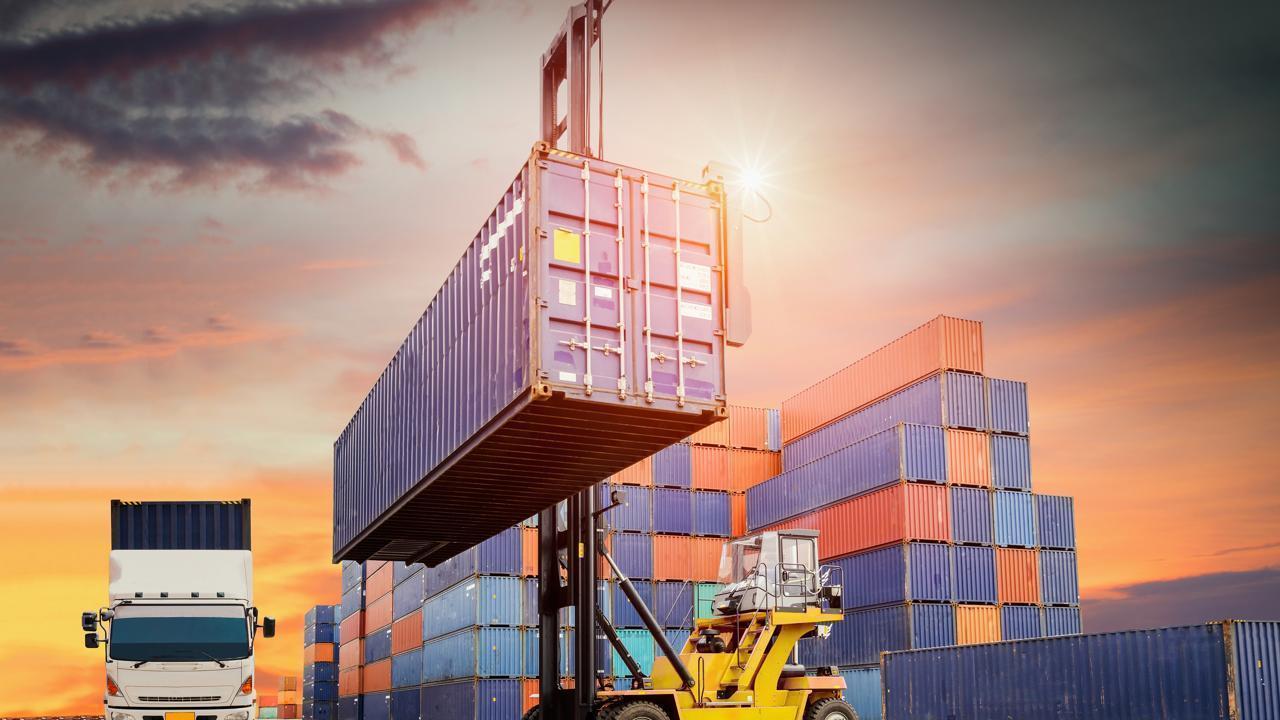
At the core of the strategy is the expansion and modernisation of the country’s largest ports, including Veracruz, Manzanillo, and Lázaro Cárdenas. These facilities are set to receive upgrades in container handling technology, expanded berthing capacity, and streamlined customs processing to reduce clearance times. For exporters and importers, this could mean drastically reduced shipping delays and lower freight costs.
Complementing the port upgrades will be a significant investment in rail corridors connecting manufacturing hubs in the interior with coastal gateways. The government has pledged to enhance existing rail lines and construct new freight-dedicated tracks, with the goal of reducing dependency on long-haul trucking for heavy cargo. This is expected to not only lower transportation costs but also reduce environmental impact, aligning with Mexico’s sustainability goals.
Boosting Road and Highway Infrastructure
While rail and port improvements are essential for long-distance freight, road transport remains the backbone of domestic distribution. The government’s logistics plan includes a sweeping overhaul of national highways, particularly those connecting industrial centres to major cities and export points.
Key stretches of roadway notorious for congestion and deterioration will be widened, resurfaced, and equipped with smart traffic monitoring systems. These upgrades are expected to improve delivery reliability for sectors such as e-commerce and perishable goods, where speed is critical.
Officials also plan to invest in bypass routes around urban bottlenecks, helping trucks avoid congested city centres. In combination with modernised tolling systems, these measures aim to make road freight faster, safer, and more predictable.
Embracing Smart Logistics Technology
Perhaps the most forward-looking aspect of the investment plan is its emphasis on technology. Mexico is preparing to deploy smart logistics platforms that use AI, IoT sensors, and real-time tracking to improve supply chain visibility.
Port operators will benefit from digital scheduling systems to optimise vessel berthing and cargo transfers. Freight forwarders will have access to integrated tracking platforms, enabling them to monitor shipments from origin to destination with greater accuracy. Customs clearance will also be digitised further, reducing paperwork and minimising opportunities for corruption.
The government has also expressed interest in developing digital twins of major logistics corridors, allowing for advanced simulations to predict and prevent bottlenecks. If successful, this approach could position Mexico as a leader in smart transport planning within Latin America.
A Magnet for Private and Foreign Investment
While the program will be largely funded by public spending, officials have stressed the importance of private sector participation. Early indications suggest that global logistics firms, port operators, and infrastructure investors are already expressing strong interest in co-financing specific projects.
Industry insiders believe Mexico’s geographical proximity to the United States—combined with its expanding trade agreements—makes it a prime candidate for logistics investment. As nearshoring continues to attract multinational manufacturers to the region, the demand for high-capacity, high-efficiency logistics services will only grow.
Foreign investment in infrastructure could also help accelerate the adoption of global best practices, from automated port cranes to AI-driven warehouse management systems.
Addressing Environmental and Social Impacts
Any large-scale infrastructure push brings with it environmental and social considerations. The government has promised that all projects will undergo rigorous environmental impact assessments and will be designed with sustainability in mind.
Measures include using low-emission construction equipment, incorporating renewable energy sources at logistics facilities, and promoting the use of electric trucks for short-haul urban deliveries. Furthermore, the government says it will engage with local communities to ensure that job creation and training programs are integrated into the development process.
By embedding environmental and social governance principles into the investment plan, Mexico hopes to avoid the criticisms that have plagued some past mega-projects in Latin America.
Industry Response: Cautious Optimism
The logistics industry has largely welcomed the announcement, though some experts have urged the government to ensure efficient project management and transparency in contracting. Delays, cost overruns, and bureaucratic hurdles have historically undermined infrastructure projects in the region.
José Martínez, president of the Mexican Logistics Association, called the plan “a once-in-a-generation opportunity” but stressed the need for execution discipline. “The vision is correct. The challenge will be in turning these commitments into functioning assets that deliver real value to shippers and consumers,” he said.
Meanwhile, analysts at trade research firm Global Freight Insights noted that Mexico’s growing role as a nearshoring hub makes this investment not just timely, but essential. “With US supply chains increasingly looking south, Mexico has a rare window to position itself as the indispensable link in North America’s manufacturing network,” the firm’s latest report states.
Potential Challenges Ahead
Despite the enthusiasm, challenges remain. Land acquisition for new rail corridors could face resistance, and coordinating large-scale upgrades across multiple states will require unprecedented levels of intergovernmental cooperation.
Additionally, the global economic climate could influence how much private investment materialises. While logistics demand is strong, shifts in trade policy, currency fluctuations, or global recessions could impact investor appetite.
The government has said it will implement strict anti-corruption measures to maintain investor confidence and ensure projects are delivered on time and on budget.
Future
If executed as planned, Mexico’s logistics overhaul could redefine its economic trajectory. Faster cargo movement, reduced costs, and increased reliability could give exporters a decisive edge in international markets. Moreover, by integrating sustainability and smart technology into its infrastructure, Mexico has the opportunity to leapfrog older, less adaptable logistics systems elsewhere.
In a global economy where supply chain resilience is increasingly valued, this investment plan sends a clear message: Mexico is ready to compete at the highest level. The next decade will determine whether the vision becomes reality, but for now, the country is firmly on track to become a logistics powerhouse in the Americas.
Mexico, National Logistics



Advances in Aerospace Technology and Commercial Aviation Recovery
Insights into breakthrough aerospace technologies and commercial aviation’s recovery amid 2025 chall

Defense Modernization and Strategic Spending Trends
Explore key trends in global defense modernization and strategic military spending shaping 2025 secu

Tens of Thousands Protest in Serbia on Anniversary of Deadly Roof Collapse
Tens of thousands in Novi Sad mark a year since a deadly station roof collapse that killed 16, prote

Canada PM Carney Apologizes to Trump Over Controversial Reagan Anti-Tariff Ad
Canadian PM Mark Carney apologized to President Trump over an Ontario anti-tariff ad quoting Reagan,

The ad that stirred a hornets nest, and made Canadian PM Carney say sorry to Trump
Canadian PM Mark Carney apologizes to US President Trump after a tariff-related ad causes diplomatic

Bengaluru-Mumbai Superfast Train Approved After 30-Year Wait
Railways approves new superfast train connecting Bengaluru and Mumbai, ending a 30-year demand, easi




