Post by : Amit
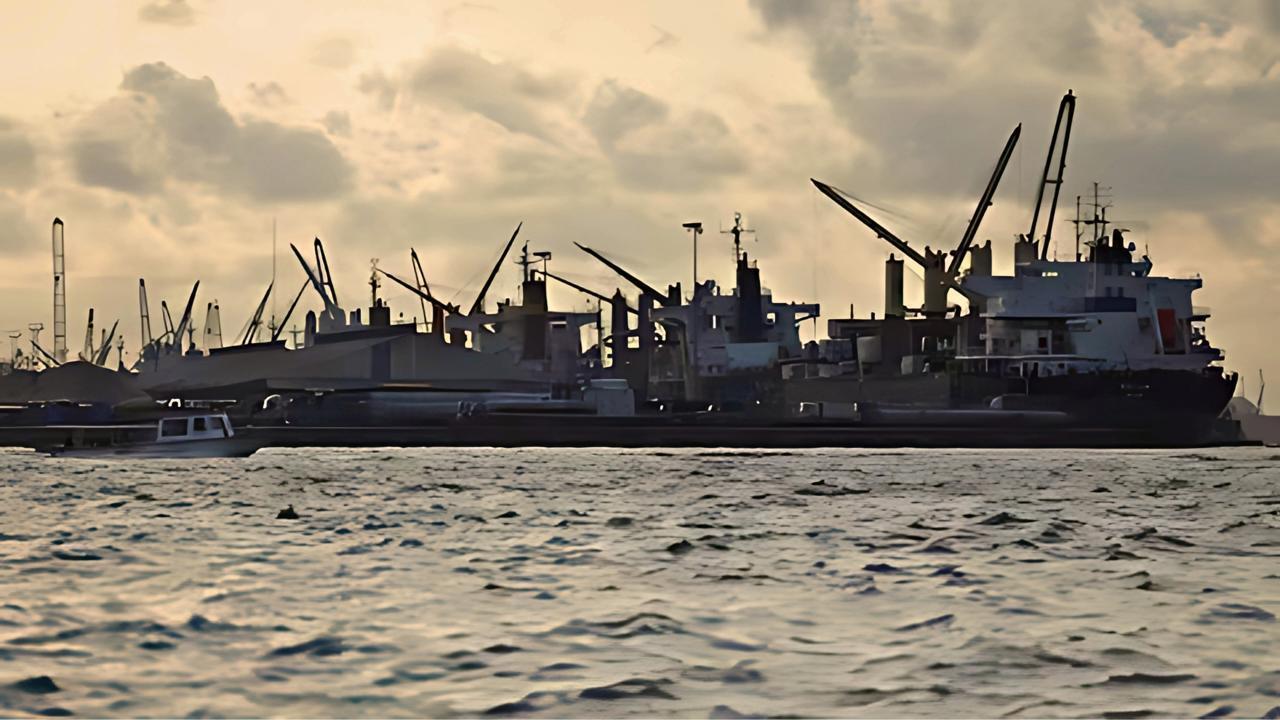
Photo: Reuters
A bold new chapter in maritime decarbonization is unfolding at the quayside, as Mitsui E&S Co., Ltd., one of Japan’s leading engineering and shipbuilding firms, announced its plan to develop a hydrogen refueling system specifically designed for port equipment. The project signals a strategic shift toward low-emission operations at cargo terminals—long regarded as some of the most diesel-reliant and carbon-intensive zones in global logistics.
The system will cater to next-generation hydrogen-powered cargo handling machinery such as yard tractors, straddle carriers, RTGs (rubber-tyred gantry cranes), and other heavy-duty terminal vehicles. The company aims to support both domestic ports and overseas terminal operators in making the leap to hydrogen as a clean alternative to fossil fuels.
Set against the backdrop of Japan’s national hydrogen strategy and the global maritime sector’s push toward net-zero emissions, the initiative by Mitsui E&S is being widely viewed as a timely move that could set new standards for fueling infrastructure in high-volume container terminals.
Unlike conventional diesel refueling stations, hydrogen systems require precision engineering, strict safety protocols, and integrated digital monitoring. According to Mitsui E&S, the new system will be modular, scalable, and tailored to terminal operating conditions, enabling ports to deploy the technology even in space-constrained areas.
Initial design concepts highlight high-pressure hydrogen storage tanks, advanced dispenser units, automated safety control mechanisms, and smart data integration with port energy management platforms. One of the most promising features is the system’s ability to manage rapid refueling cycles—a critical factor in maintaining terminal productivity. By reducing the time needed to refuel heavy equipment, the system could rival or even outperform diesel in terms of operational uptime.
Ports worldwide are under intensifying pressure to cut emissions—not just from seagoing vessels but also from terminal and landside operations. As regulatory frameworks tighten and global carriers commit to decarbonizing their supply chains, terminals are expected to electrify, automate, and shift toward alternative fuels.
While battery-electric equipment has made strides, hydrogen is emerging as a practical solution for heavy-duty operations that demand high endurance, rapid refueling, and minimal grid dependency. This is especially true in high-volume environments where battery charging infrastructure can be difficult to scale quickly.
Mitsui E&S, with its deep roots in marine engineering and machinery systems, sees this as an inflection point. “Mitsui E&S is leveraging its extensive industrial engineering heritage to design infrastructure that meets the future of port energy,” said a company spokesperson. “We see hydrogen as a scalable and flexible solution, especially as green hydrogen production ramps up across Asia-Pacific and Europe.”
Mitsui’s move dovetails with Japan’s national Green Growth Strategy, where the Ministry of Land, Infrastructure, Transport and Tourism (MLIT) has listed hydrogen fuel deployment at ports and for coastal shipping as a critical initiative. Elsewhere in the world, ports like Rotterdam, Los Angeles, and Hamburg are trialing hydrogen solutions—from fueling trucks and yard tractors to planning full hydrogen bunkering for ships.
However, hydrogen refueling systems dedicated specifically to port equipment remain few and far between. That’s precisely where Mitsui E&S sees a unique opening: to lead in engineering infrastructure that bridges the operational realities of container terminals with the clean energy future.
While the technology is still in the conceptual phase, Mitsui E&S plans to collaborate with hydrogen producers, regulatory bodies, and port authorities for pilot testing. The first deployments are expected by 2026, followed by broader commercialization depending on uptake and regional demand. The company is also exploring integrated solutions where the hydrogen refueling system could be paired with its own line of hydrogen-powered equipment, offering terminals a turnkey solution to transition toward zero emissions.
By addressing the current lack of dedicated refueling infrastructure, Mitsui’s initiative could become a cornerstone in the green port revolution. It’s a signal to the industry that port decarbonization is no longer a matter of incremental upgrades—it’s a systemic transformation.
As global ports race toward 2030 climate targets, innovations like Mitsui’s hydrogen refueling technology offer more than just compliance—they promise resilience, efficiency, and leadership in a future where sustainability is not just expected, but essential. For the global maritime community, Japan’s dockyards may soon become a beacon of what’s possible when clean energy meets operational ingenuity.
Japan, Dockyards



Advances in Aerospace Technology and Commercial Aviation Recovery
Insights into breakthrough aerospace technologies and commercial aviation’s recovery amid 2025 chall

Defense Modernization and Strategic Spending Trends
Explore key trends in global defense modernization and strategic military spending shaping 2025 secu

Tens of Thousands Protest in Serbia on Anniversary of Deadly Roof Collapse
Tens of thousands in Novi Sad mark a year since a deadly station roof collapse that killed 16, prote

Canada PM Carney Apologizes to Trump Over Controversial Reagan Anti-Tariff Ad
Canadian PM Mark Carney apologized to President Trump over an Ontario anti-tariff ad quoting Reagan,

The ad that stirred a hornets nest, and made Canadian PM Carney say sorry to Trump
Canadian PM Mark Carney apologizes to US President Trump after a tariff-related ad causes diplomatic

Bengaluru-Mumbai Superfast Train Approved After 30-Year Wait
Railways approves new superfast train connecting Bengaluru and Mumbai, ending a 30-year demand, easi




