Post by : Amit
Mumbai Takes Major Step to Strengthen Rail Security
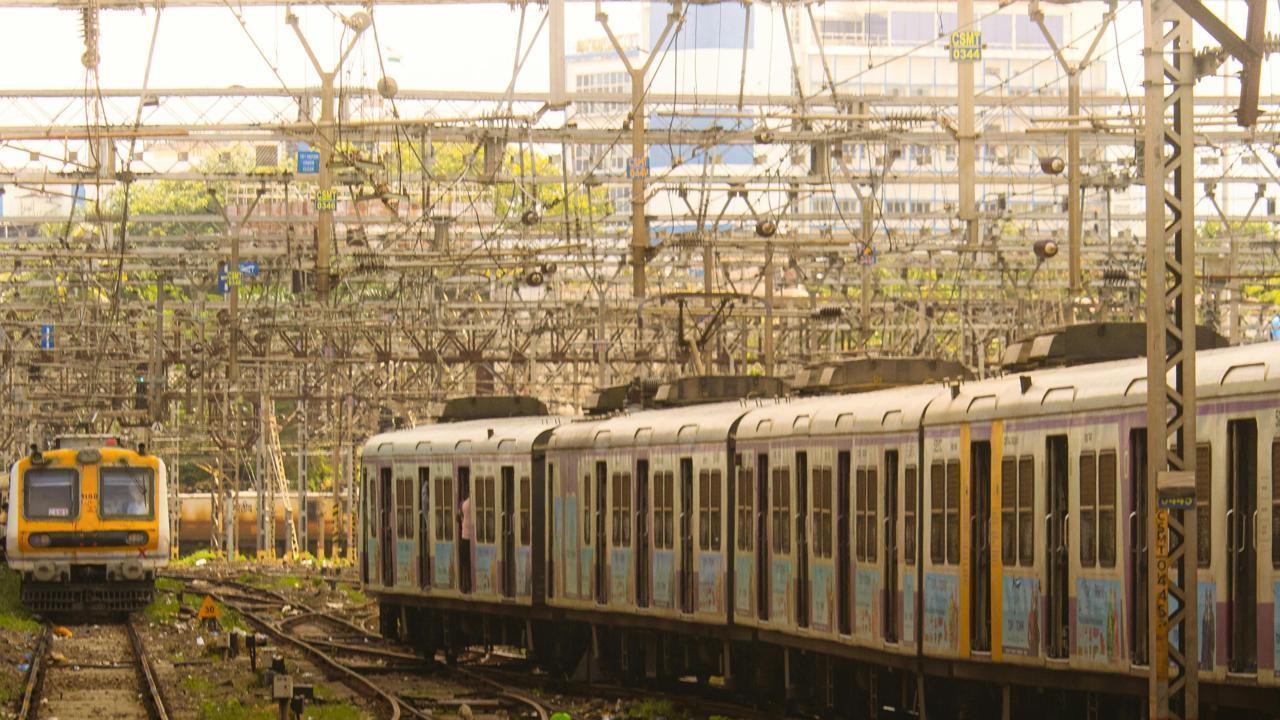
Mumbai, home to one of the world’s busiest suburban rail networks, is set to witness a transformative upgrade in commuter safety. In a decisive move to enhance law enforcement and protect millions of passengers daily, the Maharashtra government has approved the establishment of two new police stations at Asangaon and Lokmanya Tilak Terminus (LTT). This initiative reflects a growing recognition of the importance of dedicated security infrastructure in urban transport systems.
The suburban rail network in Mumbai serves as the lifeline of the city, carrying over seven million passengers every day. Despite its pivotal role, the network has long faced challenges related to crime, theft, harassment, and other security concerns. Petty thefts on trains, pickpocketing at stations, and occasional incidents of violent crime have prompted authorities to rethink the city’s approach to rail security. The addition of these two strategically located police stations marks a significant step toward creating a safer commuting environment.
Why Asangaon and LTT Were Chosen
The choice of Asangaon and LTT is strategic and deliberate. Asangaon, situated on the Central Line, serves as a key transit point for commuters traveling from northern suburbs and neighboring towns into Mumbai. This station experiences a high volume of passengers, particularly during peak hours, making it vulnerable to criminal activity.
On the other hand, Lokmanya Tilak Terminus is one of the city’s primary long-distance railway hubs. LTT handles thousands of passengers daily who travel to and from various states across India. The terminal’s vast infrastructure and high footfall necessitate constant vigilance to prevent criminal activities and ensure orderly operations. By establishing police stations at these nodes, authorities aim to create rapid-response mechanisms capable of handling incidents efficiently and maintaining law and order across the network.
Strengthening Law Enforcement Presence
The new stations will house specially trained railway police personnel tasked with monitoring the stations, trains, and surrounding areas. These officers will not only respond quickly to crimes but also coordinate with local police units to ensure comprehensive security coverage. With real-time surveillance, patrolling, and proactive intervention, these stations are expected to act as a deterrent to potential criminals.
Security experts emphasize that a visible police presence is crucial in high-density transit systems. “The presence of dedicated police stations at key nodes like Asangaon and LTT sends a strong message to potential offenders and reassures commuters,” said Inspector General of Police (Railways), Maharashtra, during a briefing. “We are committed to making Mumbai’s rail network a model for commuter safety nationwide.”
Technology Integration for Safer Commutes
The new police stations will also leverage advanced technology to enhance surveillance and operational efficiency. CCTV cameras, automated alert systems, and integrated command centers will enable authorities to monitor real-time activities across platforms and trains. These technological upgrades will not only facilitate quick response to crimes but also allow for predictive policing by identifying potential hotspots based on historical data.
Moreover, the stations will adopt modern communication systems, linking them directly with other railway stations, local police units, and emergency services. This integration ensures coordinated action during emergencies, minimizing response time and improving passenger safety.
Passenger Safety Measures and Public Awareness
Beyond infrastructure, authorities plan to introduce public awareness campaigns emphasizing safety protocols, emergency contact numbers, and behavioral guidelines for commuters. Regular drills, safety workshops, and digital notifications via mobile apps and station boards are expected to educate passengers and foster a culture of vigilance.
Commuters have welcomed the announcement. “It’s reassuring to know that authorities are taking concrete steps to ensure our safety,” said Meera Sharma, a daily commuter from Thane. “The new stations at Asangaon and LTT will make traveling during peak hours feel much safer.”
Addressing Challenges on Mumbai’s Suburban Network
The sprawling nature of Mumbai’s rail system poses unique security challenges. Overcrowding, complex station layouts, and the sheer volume of passengers make traditional policing methods insufficient. The dedicated stations at Asangaon and LTT are designed to address these challenges by focusing resources on high-risk areas, enhancing coordination, and deploying specialized units to tackle crimes specific to railway environments.
Experts note that railway stations are not only transit points but also hubs of social and commercial activity. This dual function requires security strategies that are both proactive and reactive. The introduction of these new stations is expected to streamline enforcement, reduce the burden on general police units, and ensure that commuter safety is prioritized without disrupting normal operations.
Future Plans and Expansion of Rail Security
The Maharashtra government has indicated that these two stations are part of a broader plan to modernize and expand rail security across the state. Similar initiatives may follow in other high-traffic suburban and long-distance terminals. This phased approach reflects the government’s commitment to creating a safer and more resilient transportation ecosystem.
Railway authorities are also exploring partnerships with private security agencies, technology providers, and civic organizations to implement innovative solutions. These may include AI-powered monitoring systems, facial recognition for identifying suspects, and mobile surveillance units that can respond to incidents anywhere along the track.
Impact on Crime Prevention and Commuter Confidence
The establishment of dedicated police stations at Asangaon and LTT is expected to have a measurable impact on crime rates. Enhanced policing, combined with public awareness campaigns, technological support, and rapid-response capabilities, will likely reduce incidents of theft, harassment, and violence on trains and at stations.
Additionally, commuter confidence is anticipated to rise significantly. When passengers feel secure, ridership may increase, contributing to smoother operations and greater public trust in the city’s transportation system. “Safety is the foundation of public transport efficiency,” said a senior railway official. “Our goal is to create an environment where every commuter can travel without fear, knowing that help is always nearby.”
A Model for Urban Rail Security Nationwide
Mumbai’s initiative may serve as a model for other metropolitan rail networks across India. The combination of strategic station placement, dedicated personnel, advanced technology, and public engagement represents a holistic approach to urban rail safety. By focusing on both preventive and responsive measures, authorities aim to set new standards for commuter security in high-density urban areas.
As India continues to invest in expanding and modernizing its railway infrastructure, the lessons learned from Mumbai’s experience will provide valuable insights into effective security strategies. The integration of human resources, technology, and public cooperation is likely to define the future of safe and efficient urban transit systems.
A Safer Journey for Mumbai Commuters
The opening of police stations at Asangaon and Lokmanya Tilak Terminus marks a critical milestone in Mumbai’s efforts to secure its railways. With trained personnel, advanced surveillance, rapid-response protocols, and active public engagement, these stations are poised to make the city’s suburban rail network safer than ever before.
Commuters can now expect not only enhanced protection against crime but also a stronger sense of confidence and comfort during their daily journeys. The Maharashtra government’s proactive approach underscores the importance of rail security in urban planning and highlights Mumbai’s commitment to safeguarding its citizens while supporting efficient, reliable public transportation.
This initiative demonstrates that effective security infrastructure, combined with technology and public cooperation, can transform commuter experiences, reduce crime, and create a model for rail networks across India and beyond.
Mumbai rail security, Asangaon police station



Advances in Aerospace Technology and Commercial Aviation Recovery
Insights into breakthrough aerospace technologies and commercial aviation’s recovery amid 2025 chall

Defense Modernization and Strategic Spending Trends
Explore key trends in global defense modernization and strategic military spending shaping 2025 secu

Tens of Thousands Protest in Serbia on Anniversary of Deadly Roof Collapse
Tens of thousands in Novi Sad mark a year since a deadly station roof collapse that killed 16, prote

Canada PM Carney Apologizes to Trump Over Controversial Reagan Anti-Tariff Ad
Canadian PM Mark Carney apologized to President Trump over an Ontario anti-tariff ad quoting Reagan,

The ad that stirred a hornets nest, and made Canadian PM Carney say sorry to Trump
Canadian PM Mark Carney apologizes to US President Trump after a tariff-related ad causes diplomatic

Bengaluru-Mumbai Superfast Train Approved After 30-Year Wait
Railways approves new superfast train connecting Bengaluru and Mumbai, ending a 30-year demand, easi




