Post by : Amit
Eco-Friendly Buses to Power Nairobi’s Transit Makeover
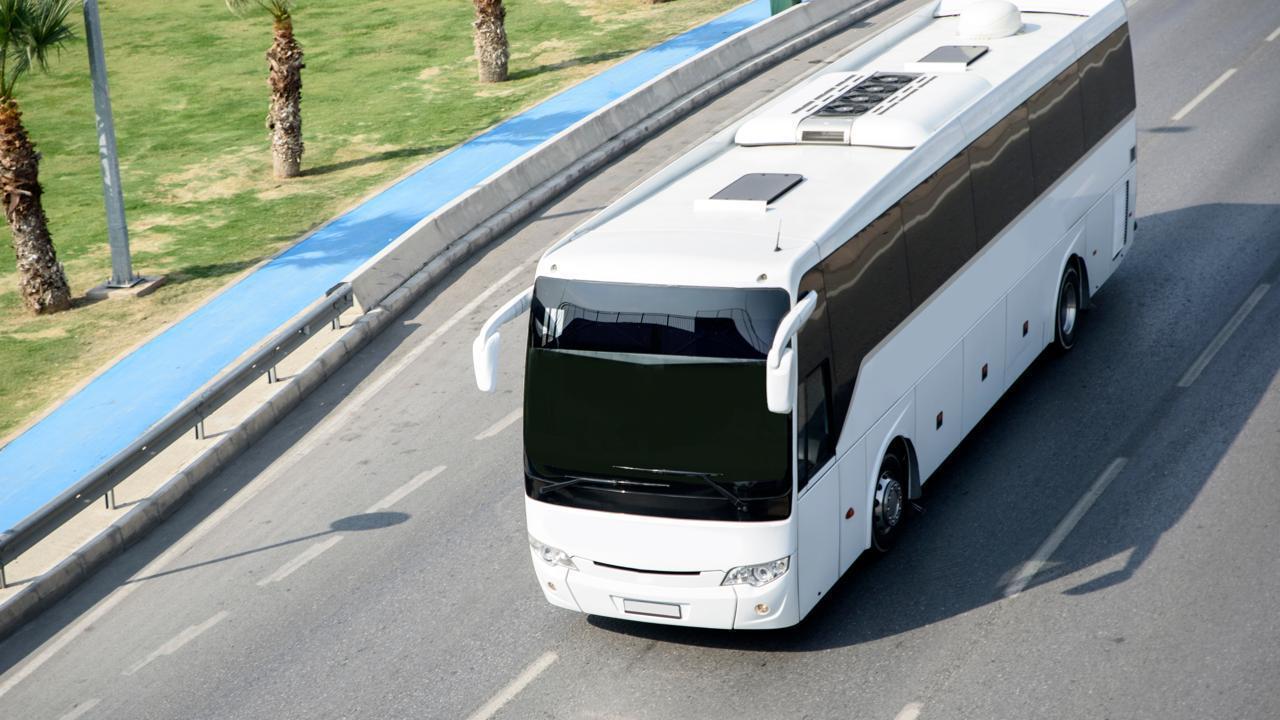
After many years of planning, anticipation, and inevitable delays, Nairobi’s long-awaited Bus Rapid Transit (BRT) project is finally materializing—and it’s set to be fully electric. Kenya’s Ministry of Roads and Transport has officially confirmed that the Green Line corridor will open for public use in August 2025. This ambitious project features 60 electric buses and 12 modern bus stops, all designed with a dual purpose: to streamline urban mobility and significantly reduce harmful emissions in the capital’s notoriously congested road network. The Green Line BRT promises to be a game-changer for Nairobi’s public transit landscape.
The Green Line runs along one of Nairobi’s busiest and most heavily trafficked routes, connecting key residential neighborhoods to the central business district. It is expected to serve over 300,000 passengers daily, marking a significant shift from the largely informal, minibus-dominated matatu system that has long governed public transport in the city. Unlike the matatus—which often suffer from unpredictable schedules, overcrowding, and pollution—the Green Line will operate in dedicated lanes. This separation ensures an uninterrupted flow even during rush hour, allowing buses to maintain a reliable schedule and reduce the daily stress experienced by commuters.
One of the primary goals of the BRT system is to cut average commute times by up to 40%, a figure that would transform the daily lives of Nairobi residents. The reduction in congestion is also expected to yield environmental benefits by lowering vehicular carbon emissions across the city center, which currently suffers from poor air quality due to heavy traffic and fossil fuel emissions. The Green Line, by promoting a shift to electric-powered public transport, aligns with Kenya’s broader climate goals, including its commitment to reducing greenhouse gas emissions and transitioning towards cleaner energy sources.
Smart Ticketing and Live Tracking Bring Efficiency
What truly sets Nairobi’s Green Line BRT apart from previous transport efforts is its fully integrated digital infrastructure. Commuters will have access to smart ticketing services through mobile applications and NFC-enabled cards. This technology not only speeds up boarding times, helping to minimize delays at stops, but also reduces fare evasion. Moreover, the system collects granular travel data that can be analyzed to optimize bus schedules and improve overall service quality.
Every electric bus will be outfitted with GPS and real-time passenger information displays, enabling commuters to track bus arrivals and departures via their smartphones or through digital boards at stations. This capability brings Nairobi closer to the standards seen in global smart cities, where transit systems are interconnected, efficient, and user-friendly.
Transport Principal Secretary Mohamed Daghar highlighted the importance of this digital leap: “We’re not just launching a BRT; we’re launching a smart transport ecosystem. It’s clean, it’s connected, and it’s commuter-focused.” This focus on integrating technology with sustainability illustrates Nairobi’s ambitions to transform not only its transport infrastructure but also its urban experience.
Backed by Green Finance and Local Manufacturing
The Green Line’s 60 electric buses are being supplied through a public-private partnership involving a Kenyan-Chinese joint venture, signaling growing international collaboration in Africa’s green transition. Partial funding for the project comes from major international climate finance institutions, including the African Development Bank (AfDB) and the Green Climate Fund. This financial support underscores the global recognition of Nairobi’s transit overhaul as a critical step towards sustainable urban development.
Significantly, the project incorporates local manufacturing components. The final assembly of buses will take place in Nairobi’s Industrial Area, providing much-needed jobs and developing domestic capacity in electric vehicle (EV) technology. This aspect of the project contributes to Kenya’s broader industrial ambitions and supports the growth of a green manufacturing sector that can supply both local and regional markets.
The buses themselves are powered by advanced lithium-ion batteries, enabling them to travel up to 250 kilometers on a single charge. Maintenance facilities and charging depots have been constructed strategically along the Green Line corridor, with support from the Kenya Power and Lighting Company (KPLC). This infrastructure is essential to ensure smooth operations and rapid turnaround times.
Transport Cabinet Secretary Kipchumba Murkomen expressed pride in the initiative, stating, “We want this to be more than a transport project. It’s a green industrial opportunity. We are proud to assemble these buses locally and build a sustainable, Kenyan-made mobility future.” The Green Line thus represents both a transportation upgrade and an economic development strategy.
Challenges Addressed Through Urban Planning Reform
Urban planners have long argued that one of Nairobi’s fundamental challenges is the lack of integrated transport policy and infrastructure, which has led to severe congestion and inefficiencies. The Green Line BRT is not merely about adding buses; it’s about fundamentally re-engineering how people and vehicles move through the city.
To this end, the corridor has been designed with several urban planning reforms aimed at improving overall traffic discipline and commuter safety. For instance, traffic signal prioritization systems have been implemented to give BRT buses green lights at intersections, reducing stoppage times. Pedestrian bridges and dedicated cycling paths have been constructed alongside the corridor to encourage multimodal commuting, making it safer and easier for residents to walk or bike to bus stops.
Maintaining the exclusivity of BRT lanes is critical for operational efficiency. Nairobi plans to deploy both traffic police and automated surveillance systems to prevent unauthorized vehicles from entering the bus lanes. This enforcement is crucial given the historical challenges of lane discipline on Nairobi’s chaotic roads.
In addition, feeder services are being organized to connect outlying neighborhoods to BRT terminals. Many matatu operators displaced by the Green Line have been offered training and transition packages that enable them to operate feeder routes or participate in cooperative ventures. This approach seeks to ease social and economic disruptions while fostering a more integrated public transport network.
Public Response: Cautious Optimism and High Expectations
Public sentiment toward the BRT launch is cautiously optimistic. For many Nairobians, the Green Line represents the first meaningful upgrade to their daily commuting experience in decades. Civil society groups have praised the government’s commitment to affordability, accessibility for people with disabilities, and the need for the system to remain reliable beyond its initial rollout.
Grace Wanjiru, a commuter and schoolteacher from Embakasi, shared her hopefulness: “I’ll believe it when I ride it. But if it’s clean, on time, and safe, I’ll be the first in line every morning.” Her comments echo the hopes of many who anticipate relief from overcrowded matatus and unreliable schedules.
Meanwhile, Kenya’s burgeoning tech startup ecosystem is already exploring ways to integrate the BRT data into broader mobility solutions. Developers are working on apps for multimodal journey planning and mobility-as-a-service (MaaS) platforms that could allow Nairobians to seamlessly combine walking, biking, buses, and even ride-hailing into a single, efficient travel experience.
A Broader Vision for Nairobi’s Transit Future
The Green Line is just the beginning of a larger vision for Nairobi’s transit future. Kenya’s Ministry of Transport has confirmed that additional BRT corridors—namely the Purple Line and Silver Line—are currently under design review and could be operational by 2027. These lines are planned to crisscross other high-density regions such as Eastlands, Westlands, and Thika Road, areas that have historically suffered from chronic traffic gridlock and poor transport options.
The Nairobi Metropolitan Area Transport Authority (NaMATA) has also unveiled a comprehensive BRT masterplan, which involves the creation of more than 100 kilometers of dedicated corridors across five counties. These corridors are envisioned to be integrated with commuter rail services, paratransit reforms, and smart mobility solutions that leverage digital technology for greater efficiency and user convenience.
If executed effectively, Nairobi’s BRT system could serve as a model for other African megacities grappling with similar challenges—offering a scalable solution to urban congestion, climate emissions, and public transport equity.
Green Line Signals a Turning Point
Kenya’s launch of the Green Line BRT corridor this August represents more than just a transit upgrade; it signals a commitment to sustainable, smart, and inclusive mobility. With 60 locally assembled electric buses, real-time GPS tracking, and smart ticketing systems, the Green Line promises to reshape the daily lives of hundreds of thousands of Nairobi residents.
By blending environmental stewardship with commuter convenience, the BRT’s arrival could set a new standard for infrastructure projects—not only in Kenya but across Africa’s rapidly urbanizing regions. It demonstrates how innovation, public-private partnerships, and forward-thinking policy can come together to transform a city’s transport system, making it cleaner, more efficient, and more equitable.
As Nairobi steps into this new era of transit, it lays a foundation for a future where mobility is not just about getting from point A to point B, but about improving quality of life, protecting the environment, and building resilient urban communities ready to meet the challenges of the 21st century.
Electric Bus, Nairobi’s Green Line BRT



Advances in Aerospace Technology and Commercial Aviation Recovery
Insights into breakthrough aerospace technologies and commercial aviation’s recovery amid 2025 chall

Defense Modernization and Strategic Spending Trends
Explore key trends in global defense modernization and strategic military spending shaping 2025 secu

Tens of Thousands Protest in Serbia on Anniversary of Deadly Roof Collapse
Tens of thousands in Novi Sad mark a year since a deadly station roof collapse that killed 16, prote

Canada PM Carney Apologizes to Trump Over Controversial Reagan Anti-Tariff Ad
Canadian PM Mark Carney apologized to President Trump over an Ontario anti-tariff ad quoting Reagan,

The ad that stirred a hornets nest, and made Canadian PM Carney say sorry to Trump
Canadian PM Mark Carney apologizes to US President Trump after a tariff-related ad causes diplomatic

Bengaluru-Mumbai Superfast Train Approved After 30-Year Wait
Railways approves new superfast train connecting Bengaluru and Mumbai, ending a 30-year demand, easi




