Post by : Amit
Photo : X / Calgary Herald
Calgary’s Bold Leap Toward a Zero-Emission Transit Future
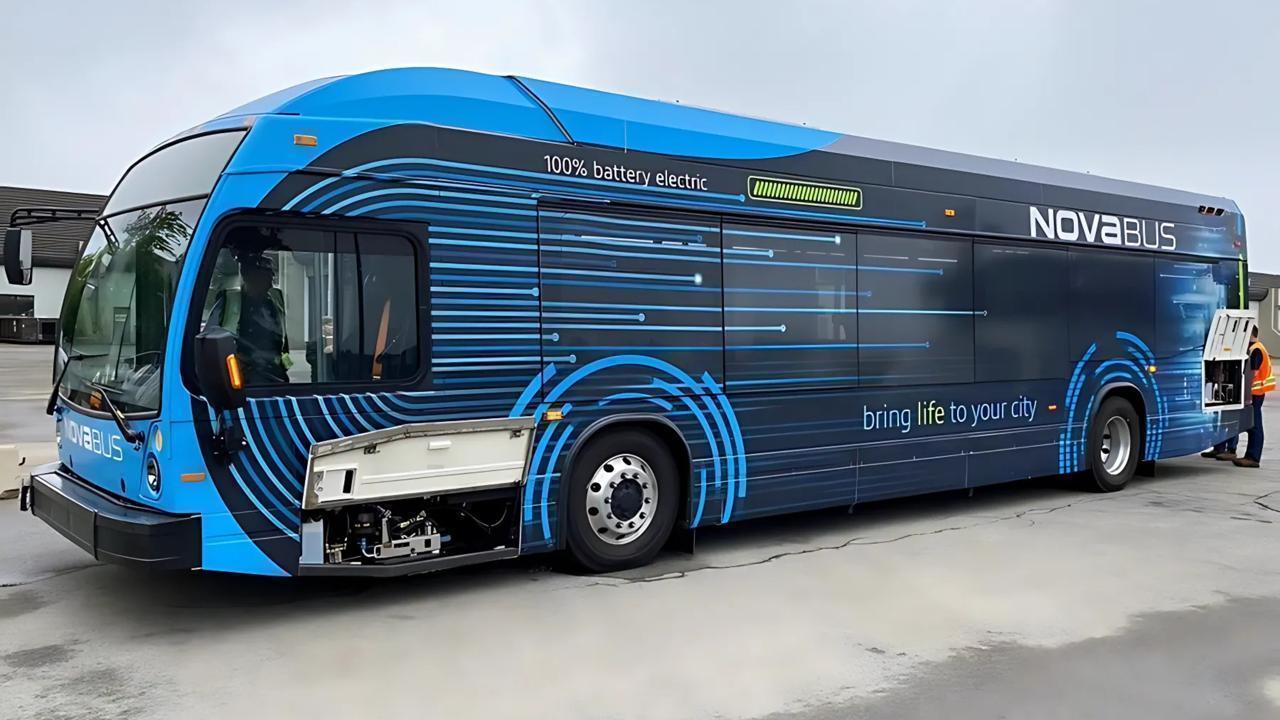
Calgary is making one of its most ambitious moves yet in the fight against climate change. In early August, Calgary Transit confirmed an order for 120 LFSe+ battery-electric buses from Nova Bus, one of Canada’s top heavy-duty transit vehicle manufacturers. This is not only one of the largest electric bus procurements in Western Canada but also a defining step in the city’s long-term mission to modernize its public transportation network.
The scale of the order signals a decisive pivot away from diesel-powered fleets and toward cleaner, quieter, and more sustainable mobility solutions. While the environmental benefits are undeniable, city officials say the transition is equally about enhancing the daily travel experience for Calgarians.
Mayor Jyoti Gondek has framed the move as “a critical step” in Calgary’s climate action plan. “Public transportation is one of the most visible and impactful tools we have to cut emissions, reduce air pollution, and make our city more livable,” she said. “This investment ensures Calgary is at the forefront of sustainable mobility.”
Inside the Deal: Why Calgary Chose the LFSe+
Nova Bus’s LFSe+ model is the flagship of its zero-emission lineup. Each bus comes equipped with an advanced lithium-ion battery system capable of storing up to 564 kWh of energy—enough to power the vehicle for up to 470 kilometers on a single charge under optimal conditions.
That range is crucial in a city like Calgary, where transit routes span long distances and weather extremes can challenge vehicle performance. The buses feature regenerative braking to recapture energy during stops and starts, as well as fully electric heating and cooling systems designed for Alberta’s sharp temperature swings.
Transit planners say this means the LFSe+ can replace many existing diesel bus routes without requiring significant adjustments to schedules—a key factor in ensuring a smooth fleet transition.
While officials have not disclosed the total cost, industry insiders estimate the deal could exceed CAD $150 million. That figure includes not only the buses themselves but also charging infrastructure, depot upgrades, driver and mechanic training, and long-term maintenance support.
Infrastructure Overhaul Underway
Buying the buses is only half the challenge. To keep them running reliably, Calgary Transit is investing heavily in new infrastructure.
Bus depots are being upgraded with high-capacity chargers and sophisticated energy management systems to handle overnight charging for dozens of buses at once. Engineers are also installing grid connection enhancements to ensure a stable power supply, particularly during peak demand hours.
Beyond depots, Calgary is exploring on-route fast-charging stations at strategic locations such as major terminals and transit hubs. These stations will allow buses to top up their batteries during layovers, extending their service range without requiring additional vehicles.
Coordination with local utility providers has been essential. The city is working closely with Enmax to ensure the electrical grid can handle the increased demand without disruptions.
Backed by Federal Support and Policy Mandates
The purchase has been made possible through a blend of municipal investment and federal assistance. Ottawa’s Zero Emission Transit Fund (ZETF) has been a game-changer for Canadian cities, covering up to 50% of eligible project costs for electric vehicle acquisitions and related infrastructure.
This funding helps cities overcome the steep upfront cost of electric buses, which can be up to twice as expensive as diesel equivalents. Over time, however, the lower fuel and maintenance expenses more than balance out the initial investment.
The program also aligns with Canada’s broader transportation policy goals—specifically, phasing out internal combustion engine transit vehicles by 2040.
The Environmental Payoff: Cleaner Air, Lower Emissions
The environmental case for this transition is compelling. Each LFSe+ bus will replace a diesel model that emits roughly 230,000 kilograms of CO₂ annually. When multiplied across 120 buses, that’s a reduction of over 27 million kilograms of CO₂ per year—the equivalent of removing more than 3,000 passenger cars from the road.
The benefits extend beyond greenhouse gases. Electric buses produce no tailpipe emissions, reducing nitrogen oxides and particulate matter—pollutants linked to respiratory illnesses. And with near-silent operation, they also reduce noise pollution, particularly in dense residential areas.
Cost Savings Over the Long Haul
Although electric buses cost more upfront, their operating expenses are significantly lower. According to industry studies, electric transit buses can have up to 30% lower lifetime operating costs than diesel models.
Savings come from two primary sources:
These savings free up resources that can be reinvested into service improvements, from expanded routes to better passenger amenities.
Industry Voices Applaud the Move
Nova Bus President Ralph Acs called the Calgary order “a milestone for sustainable mobility in Canada.”
“We are proud to partner with Calgary Transit on this transformative project,” Acs said. “The LFSe+ is built for the toughest conditions, and Calgary will be an important showcase for how electric buses can thrive even in Canada’s coldest cities.”
Transportation analysts agree. Emma Lau, an expert at the Canadian Urban Mobility Institute, said the order demonstrates that “electric transit is no longer just for mild climates. This proves it’s viable across the country, from Vancouver’s rainy streets to Alberta’s snowy winters.”
Overcoming Cold Climate Challenges
Operating electric buses in Calgary’s winter is no small feat. Sub-zero temperatures can sap battery performance, requiring more energy for cabin heating and slowing recharge times.
To address this, Nova Bus has equipped the LFSe+ with advanced thermal management systems to keep batteries at optimal operating temperatures. Calgary Transit will also conduct extensive winter trials before deploying the buses on high-demand routes.
Lessons learned from these trials will inform future electric fleet rollouts in other Prairie cities such as Edmonton, Saskatoon, and Winnipeg.
A Growing National Trend
Calgary’s move follows similar announcements in Toronto, Montreal, and Vancouver—all of which have committed to dramatically expanding their zero-emission transit fleets over the next decade.
Toronto is aiming for one of the largest electric bus fleets in North America, while Montreal plans to replace all diesel buses by 2040. Vancouver’s TransLink is also scaling up, with new orders arriving each year to cover more of the region’s busiest corridors.
These collective investments are pushing manufacturers to accelerate innovation and scale up production, which in turn drives down costs and improves technology for future buyers.
More Than Just Transit: Economic Ripple Effects
Large orders like Calgary’s have benefits beyond transportation. Nova Bus manufactures in Quebec, supporting hundreds of Canadian manufacturing jobs and contributing to the country’s clean-tech economy.
By committing to domestically built vehicles, Calgary is helping sustain skilled labor in engineering, assembly, and maintenance while promoting homegrown innovation in electric mobility technology.
Future of Calgary
The first wave of LFSe+ buses is expected to hit the streets once depot upgrades and staff training are complete. Full integration of all 120 buses will roll out over the next few years.
During that time, Calgary Transit will be collecting operational data to fine-tune charging schedules, optimize route planning, and evaluate battery performance in real-world conditions.
City officials believe that the project will serve as a model for other mid-sized Canadian cities, showing how to scale up electric fleets effectively without sacrificing service reliability.
A Blueprint for Urban Mobility
Calgary’s investment in electric buses is not an isolated initiative—it’s part of a broader rethinking of urban transportation. By shifting to zero-emission transit, the city is making a long-term commitment to cleaner air, reduced noise, and a more sustainable future.
As technology advances and charging infrastructure expands, experts predict that electric buses will become the backbone of public transit systems nationwide. For Calgary, this bold step is both a local improvement and a national statement: sustainable mobility is here, it works, and it’s ready for Canada’s toughest roads and climates.
Calgary electric buses, Nova Bus LFSe+, Zero-emission transit



Advances in Aerospace Technology and Commercial Aviation Recovery
Insights into breakthrough aerospace technologies and commercial aviation’s recovery amid 2025 chall

Defense Modernization and Strategic Spending Trends
Explore key trends in global defense modernization and strategic military spending shaping 2025 secu

Tens of Thousands Protest in Serbia on Anniversary of Deadly Roof Collapse
Tens of thousands in Novi Sad mark a year since a deadly station roof collapse that killed 16, prote

Canada PM Carney Apologizes to Trump Over Controversial Reagan Anti-Tariff Ad
Canadian PM Mark Carney apologized to President Trump over an Ontario anti-tariff ad quoting Reagan,

The ad that stirred a hornets nest, and made Canadian PM Carney say sorry to Trump
Canadian PM Mark Carney apologizes to US President Trump after a tariff-related ad causes diplomatic

Bengaluru-Mumbai Superfast Train Approved After 30-Year Wait
Railways approves new superfast train connecting Bengaluru and Mumbai, ending a 30-year demand, easi




