Post by : Meena Rani
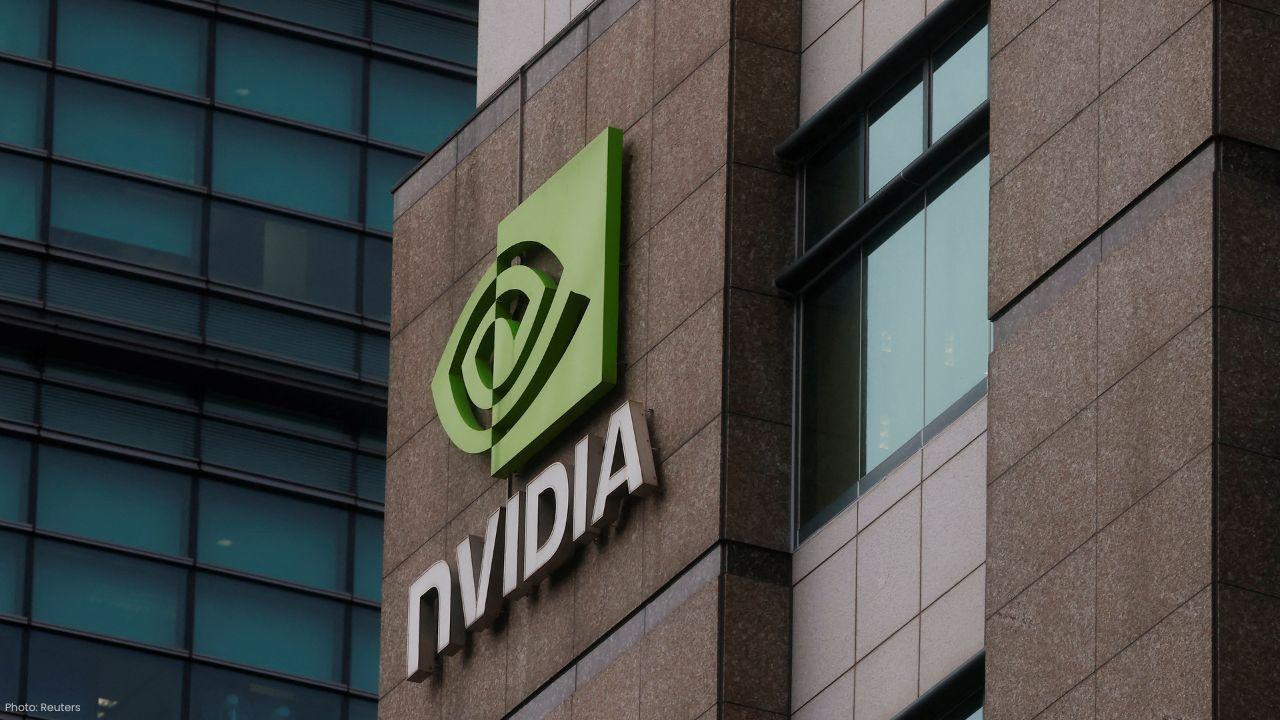
Nvidia, one of the world’s leading technology companies, recently introduced its new AI chip called the RTX6000D. This chip was specially designed for the Chinese market, following strict U.S. export rules. However, the chip has received very little interest from major Chinese tech companies. Big firms like Alibaba, Tencent, and ByteDance are hesitant to place orders because the chip is expensive and does not perform as well as expected.
Why the RTX6000D Is Expensive
The RTX6000D is priced around 50,000 yuan, which is roughly $7,000. For many companies in China, this is very costly. On top of the high price, the chip’s performance is seen as lower compared to older Nvidia models, like the RTX5090. Even though the RTX5090 is harder to obtain due to U.S. export bans, it is still available through other channels and is much cheaper. This difference makes many Chinese companies reluctant to buy the new RTX6000D.
Companies Waiting for Other Nvidia Chips
Many Chinese tech firms are also waiting to see if U.S. authorities approve Nvidia’s other AI chips for China. For example, the H20 chip recently received approval but has not been shipped yet. Another model, the B30A chip, which is more powerful than the RTX6000D, is still under review. Because of these delays, companies are taking a cautious approach and postponing orders until they know more about these other chips.
China’s Focus on Domestic Chips
At the same time, China is increasing its focus on developing homegrown AI chips. Companies like Alibaba and Baidu are investing heavily in domestic technology to reduce dependence on foreign chips. For instance, Alibaba’s T-Head division has already developed advanced AI chips used in large data centers. Similarly, Baidu’s Kunlun chips are being used to power AI services. This push for domestic chips makes foreign companies like Nvidia face more competition.
Nvidia’s Strategy to Recover
Nvidia is aware of the challenges and is planning ways to make the RTX6000D more appealing. The company may adjust prices or improve performance to better meet the needs of Chinese firms. Nvidia is also working with U.S. authorities to speed up the approval of its other chips, hoping this will help regain confidence among Chinese tech companies.
The weak demand for the RTX6000D chip in China highlights how global politics, pricing, and performance expectations influence the technology market. While Nvidia is a leading player in AI chips, Chinese firms are becoming more cautious and increasingly turning to domestic options. As China continues to develop its own semiconductor technology, foreign companies must adapt to stay competitive in this rapidly evolving market.
Nvidia, RTX6000D, AI chip, China, Alibaba, Tencent, ByteDance, H20 chip



Advances in Aerospace Technology and Commercial Aviation Recovery
Insights into breakthrough aerospace technologies and commercial aviation’s recovery amid 2025 chall

Defense Modernization and Strategic Spending Trends
Explore key trends in global defense modernization and strategic military spending shaping 2025 secu

Tens of Thousands Protest in Serbia on Anniversary of Deadly Roof Collapse
Tens of thousands in Novi Sad mark a year since a deadly station roof collapse that killed 16, prote

Canada PM Carney Apologizes to Trump Over Controversial Reagan Anti-Tariff Ad
Canadian PM Mark Carney apologized to President Trump over an Ontario anti-tariff ad quoting Reagan,

The ad that stirred a hornets nest, and made Canadian PM Carney say sorry to Trump
Canadian PM Mark Carney apologizes to US President Trump after a tariff-related ad causes diplomatic

Bengaluru-Mumbai Superfast Train Approved After 30-Year Wait
Railways approves new superfast train connecting Bengaluru and Mumbai, ending a 30-year demand, easi




