Post by : Meena Rani
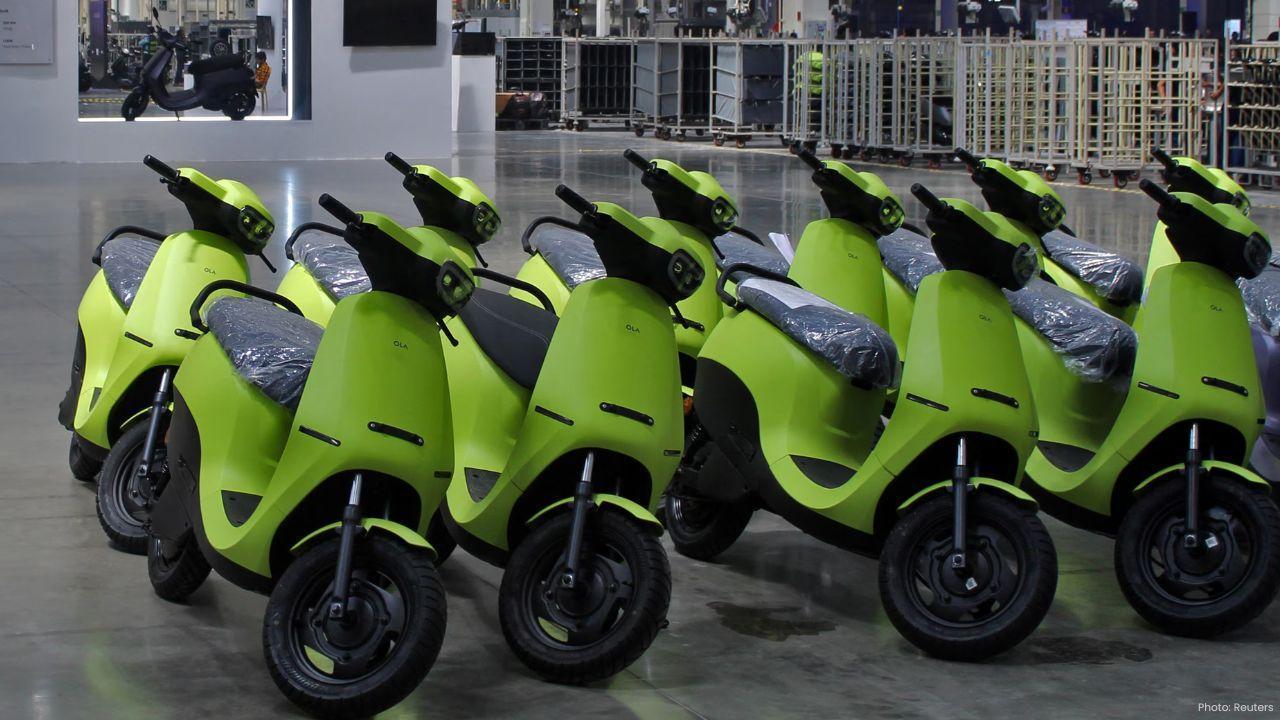
India’s electric mobility journey has gained new strength as Ola Electric announced a historic achievement—1 million electric scooters produced at its state-of-the-art Future Factory in Tamil Nadu. This milestone reflects not only the rapid rise of Ola Electric but also the growing acceptance of electric vehicles across the country.
The news marks a turning point for India’s automotive industry. In a nation where petrol scooters have long dominated the roads, electric two-wheelers are fast becoming the preferred choice for millions of riders. By achieving this massive production mark, Ola has proved that India is ready to lead the global electric revolution.
Ola Electric: From Vision to Reality
When Ola Electric started its journey, the goal was ambitious yet clear—bring affordable, sustainable, and stylish electric scooters to Indian households. Within just a few years, Ola has become one of the largest electric two-wheeler makers in the world.
The company’s focus on large-scale manufacturing, smart technology, and eco-friendly practices helped it achieve this remarkable feat of producing 1 million scooters. Ola’s Future Factory, located in Krishnagiri district of Tamil Nadu, played the central role in this success. Built with advanced automation and massive production capacity, the plant is capable of producing several million units annually, making it one of the largest two-wheeler facilities globally.
Why Ola Scooters Became Popular
The success of Ola scooters lies in their mix of technology, affordability, and convenience. Unlike traditional petrol scooters, Ola’s electric scooters provide lower running costs, almost negligible maintenance, and zero tailpipe emissions. This has attracted not only young riders but also working professionals, delivery partners, and families looking for sustainable alternatives.
Some of the popular features that made Ola scooters successful include:
Long riding range suitable for daily commutes.
Smart connectivity with mobile phones and navigation support.
Multiple riding modes that adjust speed and efficiency.
Attractive, futuristic design appealing to young India.
By offering all of this in an affordable package, Ola has tapped into a massive market that wants eco-friendly solutions without compromising on style or performance.
India’s Electric Vehicle Shift
The achievement of Ola Electric is part of a larger transformation happening in India’s transport sector. Rising fuel costs, environmental concerns, and government incentives have encouraged both companies and consumers to adopt electric mobility.
Government policies like the FAME scheme (Faster Adoption and Manufacturing of Hybrid and Electric Vehicles), GST reduction on EVs, and state-level subsidies have created a strong push for the sector. Ola’s success shows that these steps are paying off. Every new electric scooter sold reduces the country’s dependence on imported fuel and helps cut down pollution levels.
Building a Bigger EV Ecosystem
Ola Electric is not limiting itself to scooters. The company has already revealed plans to launch electric motorcycles and electric cars in the coming years. This expansion will allow Ola to serve more types of customers, from daily commuters to families seeking electric four-wheelers.
Another critical part of Ola’s plan is developing its fast-charging infrastructure. The company aims to set up a network of charging stations across highways and cities to make EV usage more convenient. By solving the problem of charging anxiety, Ola hopes to bring even more customers into the electric vehicle fold.
Future Factory: Symbol of India’s Strength
At the heart of Ola’s achievement is its Future Factory, a massive manufacturing unit in Tamil Nadu. This facility is among the most advanced in the world, with automation, robotic systems, and a focus on sustainability.
The factory is also notable for its social impact. Ola has employed a large workforce, including a significant number of women employees, supporting gender equality and empowerment. By producing on such a large scale within India, Ola is strengthening the Make in India initiative and boosting local employment and the economy.
Contribution to Sustainability
The production of 1 million electric scooters means more than just sales figures. It translates into millions of liters of petrol saved and tons of carbon emissions reduced. Every Ola scooter on the road contributes to India’s efforts to fight climate change and pollution.
Ola Electric has also made efforts to ensure that its factory itself is eco-friendly, using solar energy and sustainable manufacturing practices. This focus on green growth highlights the company’s commitment to building a cleaner future for India.
Impact on Economy and Jobs
The growth of Ola Electric has generated thousands of jobs in manufacturing, engineering, and services. As the company continues to expand, it is expected to create even more employment opportunities across the supply chain—from battery makers to charging infrastructure providers.
By investing heavily in local production, Ola has reduced reliance on imported components and is helping India become self-reliant in the EV sector. This not only strengthens the economy but also positions India as a global hub for electric vehicle manufacturing.
Challenges Ahead
While Ola Electric has reached an impressive milestone, challenges remain. The company still needs to improve its service network, expand charging infrastructure, and ensure consistent product quality. Competition in the electric two-wheeler market is also growing, with many new players entering the sector.
To maintain leadership, Ola will need to continue innovating, building trust, and expanding its product line. Customer satisfaction and reliable after-sales support will play a major role in its long-term success.
A New Chapter for India’s EV Industry
The 1 million production milestone achieved by Ola Electric is not just the company’s triumph—it is a reflection of India’s strength and potential in electric mobility. It shows that Indian manufacturers can compete globally and that the future of transport is electric.
For lakhs of Indians, this success story is inspiring. It proves that electric vehicles are not just a dream of tomorrow—they are a reality of today. With cleaner, cheaper, and smarter mobility solutions, Ola Electric has brought India closer to a sustainable future.
Ola Electric’s journey from its first scooter to 1 million units produced is a story of innovation, determination, and vision. By combining technology, large-scale manufacturing, and customer-focused products, the company has reshaped India’s two-wheeler market.
As Ola looks to expand into new products like motorcycles and electric cars, and as it builds its charging infrastructure, its role in India’s mobility revolution will only grow stronger. The achievement is proof that India is ready to lead the world in electric mobility, and Ola Electric is one of the torchbearers of this change.
Ola Electric, Ola scooters, electric scooters India, EV milestone



Advances in Aerospace Technology and Commercial Aviation Recovery
Insights into breakthrough aerospace technologies and commercial aviation’s recovery amid 2025 chall

Defense Modernization and Strategic Spending Trends
Explore key trends in global defense modernization and strategic military spending shaping 2025 secu

Tens of Thousands Protest in Serbia on Anniversary of Deadly Roof Collapse
Tens of thousands in Novi Sad mark a year since a deadly station roof collapse that killed 16, prote

Canada PM Carney Apologizes to Trump Over Controversial Reagan Anti-Tariff Ad
Canadian PM Mark Carney apologized to President Trump over an Ontario anti-tariff ad quoting Reagan,

The ad that stirred a hornets nest, and made Canadian PM Carney say sorry to Trump
Canadian PM Mark Carney apologizes to US President Trump after a tariff-related ad causes diplomatic

Bengaluru-Mumbai Superfast Train Approved After 30-Year Wait
Railways approves new superfast train connecting Bengaluru and Mumbai, ending a 30-year demand, easi




