Post by : Amit
Oslo Airport Tests Drone Surveillance to Reinvent Perimeter Security
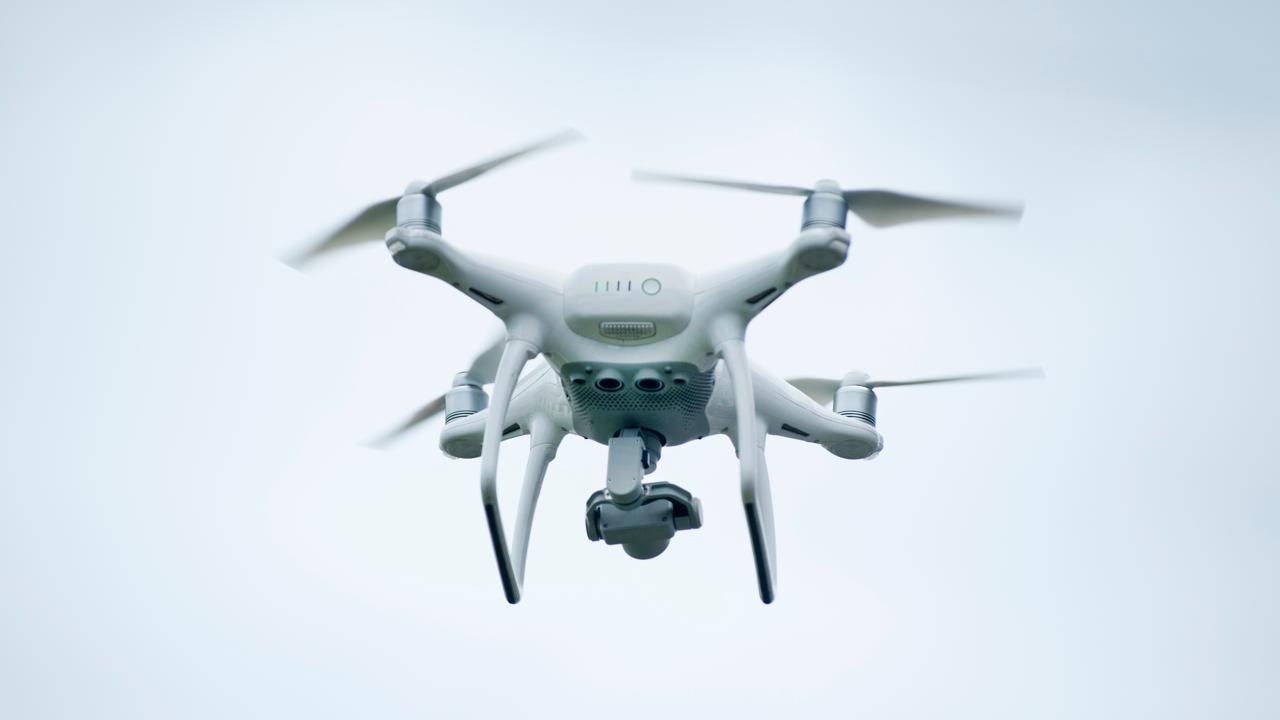
Oslo Gardermoen Airport has launched a pioneering trial of drone-based perimeter surveillance technology—a first-of-its-kind initiative in Norway. Spearheaded by Avinor, the state-owned airport operator, the program integrates AI-guided drones with Oslo Airport’s existing security framework to patrol sensitive areas around the airport’s massive boundary zones.
The pilot, underway since early July, is designed to assess whether autonomous drone systems can provide faster threat detection, real-time response, and broader situational awareness than traditional security patrols or fixed CCTV installations.
The Rationale: A Growing Need for Smarter Perimeter Monitoring
Airports, especially major hubs like Oslo, must contend with vast perimeters—often over 20 kilometers in length—including forested areas, fencing, and no-man’s lands. While manned patrols and static cameras have served for decades, limitations in coverage, speed, and real-time adaptability have raised concerns in an era of increasing drone incursions, smuggling risks, and potential sabotage.
Recent incidents across Europe—such as unauthorized drone sightings causing delays at Gatwick and Frankfurt—have amplified urgency. Oslo Airport’s new trial flips the narrative by putting drones on defense, not just surveillance.
Jon Arnt Jacobsen, Avinor’s Director of Security Technology, explained the vision:
"We're exploring how aerial systems can enhance the precision, autonomy, and reach of our perimeter security, especially in less accessible zones where humans or static cameras fall short."
Autonomous Eyes in the Sky
The drone surveillance system is developed in collaboration with Nordic Unmanned, a Norwegian aerospace tech firm known for its long-range drone platforms. At the heart of the system is a semi-autonomous quadcopter equipped with thermal imaging, LiDAR, HD optical zoom, and AI-based object recognition.
Drones are housed in weatherproof autonomous drone stations, strategically located along the perimeter. From these stations, drones can:
Each drone flight lasts up to 40 minutes, and the system can support continuous patrol cycles with automated battery swaps. Critical to the project is its compliance with Norway’s aviation regulations, including automated airspace deconfliction and geo-fencing around restricted air zones.
Speed, Precision, and Human-Free Intervention
During early-phase testing, the drone system demonstrated a 35% improvement in perimeter coverage speed compared to ground patrols. In one simulated breach, a drone reached the trigger point in less than 90 seconds, capturing high-resolution thermal imagery and relaying footage to the control room for immediate human verification.
The AI onboard correctly distinguished between a small animal and a human presence in over 95% of test scenarios, minimizing false positives—an ongoing challenge in security automation.
Kristina Volden, security systems analyst at Avinor, noted:
"This isn’t just about flying cameras. It’s about data intelligence—knowing what’s happening, where, and why, without needing to send human teams into risky or remote zones."
Not Just Surveillance: A Platform for Emergency Response
What makes the trial particularly innovative is its multi-use potential. In addition to routine patrols, the drone system can assist with:
In one exercise, a drone was dispatched to inspect a mock fire near a fuel depot, using its thermal camera to assess the situation before responders entered. The trial showed that drones could reduce incident assessment time by up to 50%, potentially saving lives in real emergencies.
Regulatory and Privacy Considerations
Avinor has worked closely with Luftfartstilsynet (the Norwegian Civil Aviation Authority) and Datatilsynet (the Data Protection Authority) to ensure that drone surveillance adheres to national and EU privacy laws.
All video streams are end-to-end encrypted, and data retention is tightly controlled. No facial recognition is used. Additionally, the drones avoid surveillance over nearby residential areas, thanks to strict geo-fencing algorithms.
Towards Permanent Deployment? What Comes Next
If the trial proves successful—full evaluation results are expected by Q4 2025—Oslo Airport could become the first in Scandinavia to permanently integrate autonomous drones into daily security operations.
Beyond Oslo, Avinor may expand the system to other major airports like Bergen, Trondheim, and Stavanger, especially where perimeter challenges are worsened by difficult terrain or weather.
The broader vision also includes integration with AI-powered analytics platforms, allowing drones to work in concert with fixed cameras, smart fences, and predictive behavioral monitoring tools.
A Growing Trend in Smart Airport Security
Oslo is far from alone in its drone surveillance ambitions. Airports in Singapore, Dubai, and Tel Aviv are also trialing autonomous drones, though few have achieved operational maturity. By combining AI, autonomy, and layered perimeter intelligence, Oslo Airport’s project stands out for its regulatory readiness and practical deployment.
Dr. Erik Nyland, a professor in aerospace security at NTNU, believes the move is timely:
"Airports are soft targets by nature. Adding aerial intelligence is like adding a brain to the body of perimeter security. It’s agile, responsive, and never blinks."
A Safer, Smarter Perimeter for Tomorrow’s Airports
As air traffic rebounds and threats become more unpredictable, traditional airport security models are being stretched thin. Oslo Airport’s foray into drone-based surveillance represents a bold reimagining of how large, complex transport hubs can defend themselves in real time.
With drones acting as ever-vigilant sentinels—unmoved by fatigue, darkness, or terrain—airports may finally gain a security layer that’s both smarter and faster than any human patrol.
And if Oslo’s trial proves successful, it may not be long before we see autonomous drones circling perimeters at major airports across Europe—and beyond.
Oslo Airport, Drone Surveillance, Aviation



Advances in Aerospace Technology and Commercial Aviation Recovery
Insights into breakthrough aerospace technologies and commercial aviation’s recovery amid 2025 chall

Defense Modernization and Strategic Spending Trends
Explore key trends in global defense modernization and strategic military spending shaping 2025 secu

Tens of Thousands Protest in Serbia on Anniversary of Deadly Roof Collapse
Tens of thousands in Novi Sad mark a year since a deadly station roof collapse that killed 16, prote

Canada PM Carney Apologizes to Trump Over Controversial Reagan Anti-Tariff Ad
Canadian PM Mark Carney apologized to President Trump over an Ontario anti-tariff ad quoting Reagan,

The ad that stirred a hornets nest, and made Canadian PM Carney say sorry to Trump
Canadian PM Mark Carney apologizes to US President Trump after a tariff-related ad causes diplomatic

Bengaluru-Mumbai Superfast Train Approved After 30-Year Wait
Railways approves new superfast train connecting Bengaluru and Mumbai, ending a 30-year demand, easi




