Post by : Amit
Photo : Reutrs
Spotlight on Aviation Safety after Air India Express Crash
In the wake of the tragic Air India Express crash that claimed 21 lives in Kozhikode in 2020, India’s Parliamentary Public Accounts Committee (PAC) has called for a comprehensive review of aviation safety measures and surge pricing regulations in the country's aviation sector. The meeting, held in New Delhi on July 8, 2025, brought to the forefront several critical issues concerning the safety, affordability, and accountability of India’s rapidly growing air travel industry.
The PAC, chaired by Congress leader Suresh Kodikunnil, conducted a thorough examination of the events surrounding the crash and the subsequent response by regulatory bodies, particularly the Directorate General of Civil Aviation (DGCA). The committee expressed serious concerns over systemic lapses that continue to pose risks to passenger safety and fair pricing practices.
Air India Express Crash: A Stark Reminder of Safety Gaps
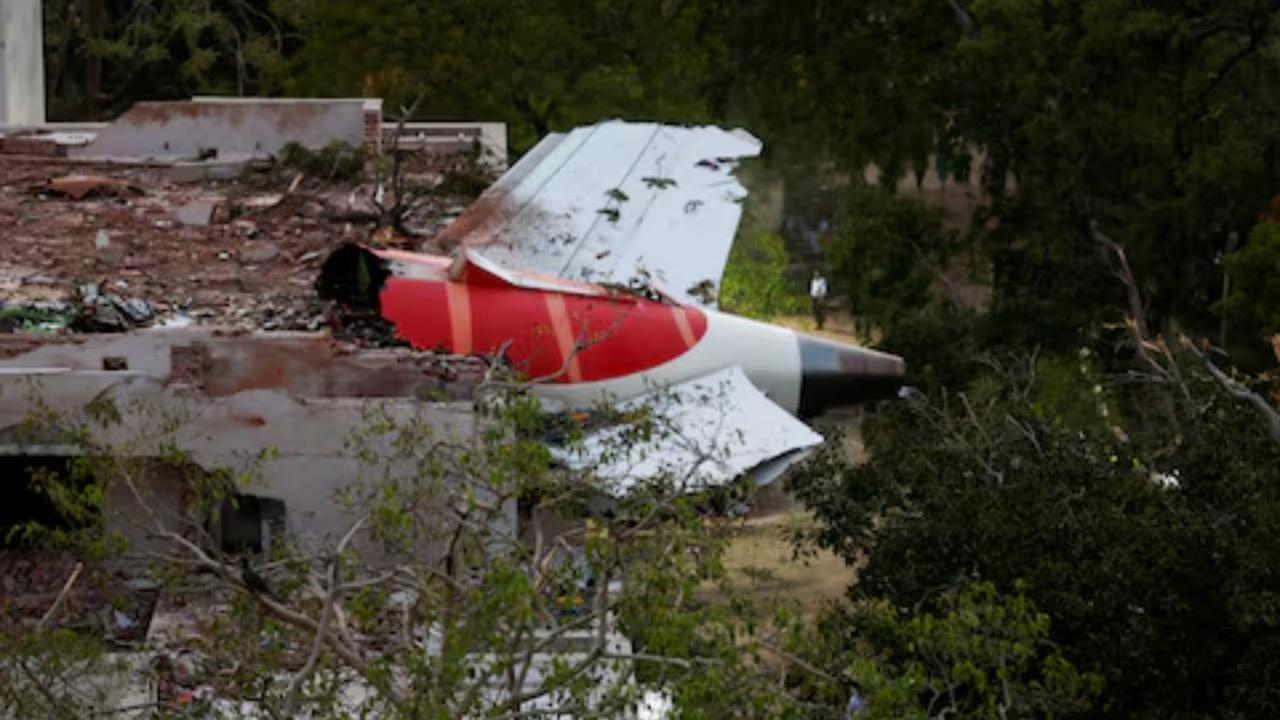
The Kozhikode crash, one of the deadliest aviation accidents in recent Indian history, involved an Air India Express Boeing 737-800 that overshot the runway during landing in heavy rain. Despite several investigations and recommendations since then, the PAC noted that key safety concerns highlighted in the aftermath have not been fully addressed.
The committee criticized delays in implementing corrective actions, including upgrading airport infrastructure, enhancing pilot training for challenging weather conditions, and strengthening the oversight capacity of aviation regulators. It emphasized that lessons from past tragedies must translate into tangible safety reforms to prevent similar incidents in the future.
Surge Pricing Under Scrutiny
Another major issue raised during the PAC session was the contentious practice of surge pricing by airlines, particularly during festive seasons, emergencies, and peak demand periods. Lawmakers highlighted that exorbitant airfares during such times disproportionately affect the common man and undermine the essential nature of air travel.
The committee pressed for tighter regulation of fare structures and greater transparency in airline pricing mechanisms. Several members argued that air travel, increasingly essential in a country as vast as India, should remain accessible to all economic sections, not just to those who can afford premium rates during high-demand periods.
Regulator Accountability and Systemic Reforms
The PAC also expressed disappointment over what it described as "regulatory complacency" within India's civil aviation ecosystem. It pointed out that despite the growth of the Indian aviation sector into one of the world's largest, regulatory bodies like the DGCA and Airports Authority of India (AAI) have struggled to keep pace with the industry's expansion.
Concerns were raised about the DGCA’s limited manpower, outdated technology systems, and slow response to safety audits. Members urged the government to invest in strengthening these institutions, enhancing their independence, and ensuring they are better equipped to enforce international safety standards.
India’s Aviation Boom and the Growing Need for Oversight
India's aviation industry is undergoing rapid growth, with new airports, increasing passenger traffic, and rising demand for domestic and international flights. However, this boom has also highlighted the widening gap between infrastructure development and safety oversight.
Several committee members noted that while private airlines continue to expand aggressively, the regulatory framework governing safety, airworthiness, and consumer protection has not kept pace. This imbalance poses risks not just to passengers but also to the sustainability of the aviation sector itself.
Lessons from Global Best Practices
Drawing from global examples, the PAC recommended adopting best practices from international aviation safety bodies such as the US Federal Aviation Administration (FAA) and the European Union Aviation Safety Agency (EASA). These include stricter compliance checks, continuous pilot training, proactive risk assessments, and independent safety audits.
Members emphasized that aviation safety should never be reactive but instead must involve a culture of continuous improvement and strict adherence to protocols—especially in a country like India, where diverse weather conditions and infrastructure limitations add layers of complexity to air operations.
Financial Health of Airlines and Passenger Welfare
The PAC also touched upon the financial challenges faced by Indian airlines, which often cite cost pressures as a justification for practices like surge pricing. While acknowledging the need for airline profitability, the committee underscored that passenger safety and welfare cannot be compromised in pursuit of financial gains.
Suggestions included offering financial incentives for airlines that maintain high safety records, as well as introducing penalties for those found in violation of safety norms or price gouging.
Call for Transparent Investigations and Public Reporting
One of the PAC's key demands was for greater transparency in aviation accident investigations. Lawmakers stressed that final reports from aviation accidents should be made public in a timely manner and that families of victims deserve full disclosure of findings.
The committee suggested the establishment of an independent accident investigation bureau with legal powers to enforce recommendations, separate from the DGCA, to avoid conflicts of interest.
Passenger Rights and Accessible Air Travel
Reinforcing the idea that air travel should serve as an accessible public utility, the PAC called for the creation of a comprehensive Passenger Bill of Rights. This framework would ensure fair treatment, clear refund policies, timely grievance redressal, and transparent pricing for all air travelers.
Lawmakers noted that while India has made remarkable progress in expanding aviation access to tier-2 and tier-3 cities under the UDAN scheme, affordability remains a major concern for millions of potential flyers.
Striking the Balance Between Growth and Safety
The PAC's detailed deliberations serve as a timely reminder that while India's aviation sector is poised for continued growth, safety and consumer rights must remain at the center of that expansion.
The committee concluded by urging the Ministry of Civil Aviation to present a roadmap for implementing safety upgrades, stricter fare regulations, and enhanced regulator capabilities within a defined timeline. It also recommended periodic parliamentary reviews to ensure sustained oversight.
A Wake-Up Call for India's Aviation Sector
The Parliament’s PAC review of the Air India Express crash and the wider aviation ecosystem has highlighted the urgent need for systemic reforms. As India prepares for a future of increased air connectivity and passenger growth, ensuring safety, affordability, and regulatory accountability will be crucial to building a world-class aviation industry that serves all citizens fairly and safely.
Air India, Airplane Safety



Advances in Aerospace Technology and Commercial Aviation Recovery
Insights into breakthrough aerospace technologies and commercial aviation’s recovery amid 2025 chall

Defense Modernization and Strategic Spending Trends
Explore key trends in global defense modernization and strategic military spending shaping 2025 secu

Tens of Thousands Protest in Serbia on Anniversary of Deadly Roof Collapse
Tens of thousands in Novi Sad mark a year since a deadly station roof collapse that killed 16, prote

Canada PM Carney Apologizes to Trump Over Controversial Reagan Anti-Tariff Ad
Canadian PM Mark Carney apologized to President Trump over an Ontario anti-tariff ad quoting Reagan,

The ad that stirred a hornets nest, and made Canadian PM Carney say sorry to Trump
Canadian PM Mark Carney apologizes to US President Trump after a tariff-related ad causes diplomatic

Bengaluru-Mumbai Superfast Train Approved After 30-Year Wait
Railways approves new superfast train connecting Bengaluru and Mumbai, ending a 30-year demand, easi




