Post by : Meena Rani
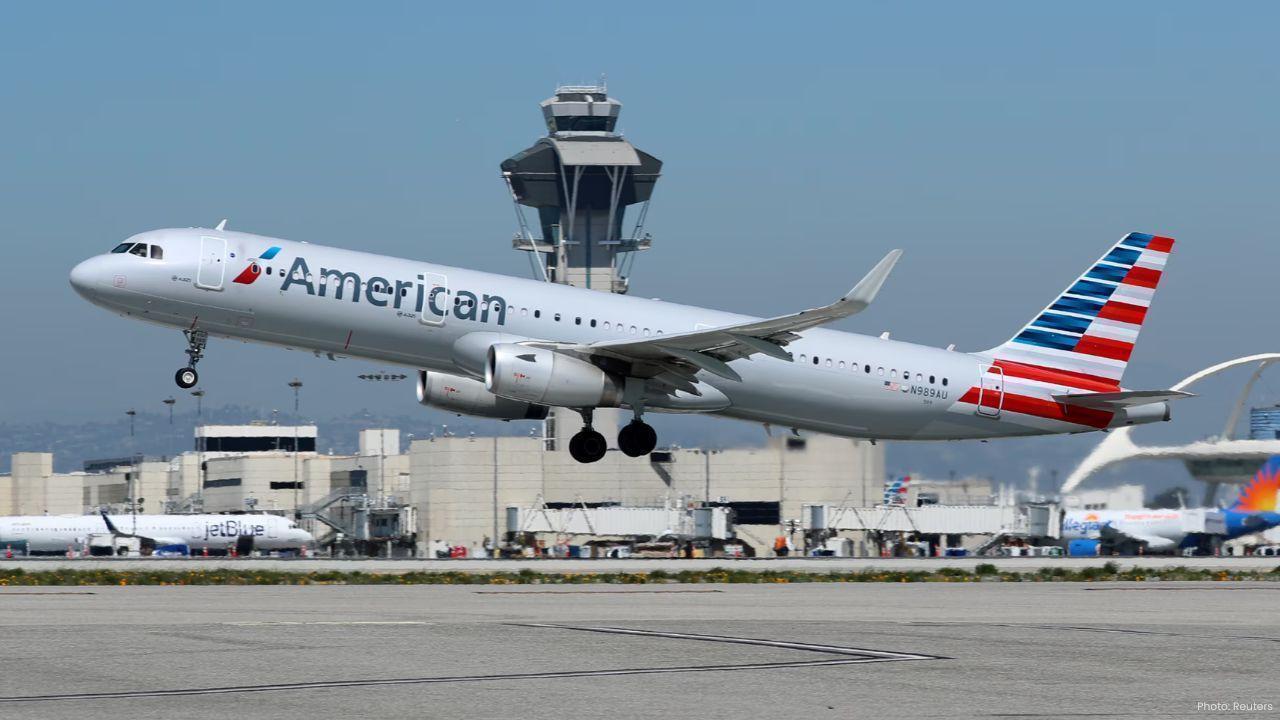
On the morning of September 1, 2025, travelers at Chicago O'Hare International Airport experienced a highly unusual and dramatic incident involving a frustrated passenger and the American Airlines flight AA 1831 bound for West Palm Beach. The flight, originally scheduled for 8:30 a.m., was repeatedly delayed due to technical and mechanical issues. Passengers had already been waiting for hours, with little information or assistance from airline staff, which heightened tension and frustration in the terminal.
For many travelers, delays are often an unavoidable part of air travel. However, the lack of communication from the airline in this instance left passengers feeling abandoned and unheard. While some passengers tried to seek assistance at the airline counter, the staff appeared overwhelmed or absent, and the frustration continued to build.
The PA System Incident
Faced with mounting delays and silence from airline staff, one passenger decided to take an unconventional approach to get attention. He approached the unattended podium in Terminal K, which contained the public address system, and made a bold announcement to the terminal using the PA system.
The passenger's announcement was clear, loud, and direct. He began by addressing the airline, stating that passengers had been waiting since early morning with no information about when the flight would depart. He expressed his exasperation, calling out the lack of staff presence and requesting immediate assistance for passengers heading to West Palm Beach. His voice echoed throughout the terminal, capturing the attention of both fellow travelers and airport staff.
The content of the announcement reflected the shared frustration of many passengers. His words, though unplanned, resonated with the crowd. People applauded, showing support for his courage in speaking up when airline staff had failed to provide guidance.
Passenger Reaction and Terminal Atmosphere
The reaction of fellow passengers was overwhelmingly positive. Many joined in nodding and applauding, while others recorded the event on their phones. It quickly became a topic of conversation across the terminal. Travelers expressed that the passenger had voiced exactly what they had been thinking but had not dared to say out loud.
The incident also shed light on the human side of air travel. Delays, though common, can create stress and anxiety, especially when passengers feel neglected or ignored. In this case, the passenger's actions served as a collective voice for the group, highlighting a basic expectation: that airline staff communicate clearly and provide guidance during disruptions.
Airline Response
Following the incident, American Airlines did not immediately issue a public statement about the PA system takeover. However, the airline has general policies in place to assist passengers during delays, such as mobile app notifications, rebooking options, and access to customer service counters. Despite these tools, many passengers at O'Hare reported feeling that the available resources did not fully address their need for human interaction and reassurance.
The absence of airline staff at the critical moment was one of the main factors leading to the unusual incident. Travelers rely not only on technological updates but also on visible human assistance, especially when schedules are disrupted. This situation highlighted the importance of maintaining an adequate staff presence in busy terminals to respond to passenger needs.
Broader Implications for Airlines
This event at O'Hare Airport raises important questions about customer service and communication within the airline industry. While delays are often unavoidable due to mechanical issues or other operational challenges, how airlines communicate these issues to passengers can significantly affect public perception and customer satisfaction.
Airline passengers expect timely and accurate information about delays, cancellations, and rebooking options. When such information is not provided, frustration can escalate, sometimes resulting in extraordinary actions, as seen in this case. The incident also demonstrates the impact of passenger advocacy and how a single voice can represent the collective concerns of a larger group.
For the aviation industry, this serves as a reminder that effective communication and customer service are crucial. Investing in staff presence, training, and clear communication protocols can prevent similar incidents in the future. Passengers respond better when they feel informed, valued, and supported, even during unavoidable delays.
Human Side of Travel
At its core, this incident reflects the human element of air travel. While travelers accept delays as part of modern aviation, they also expect empathy and assistance from airline staff. Long waits, confusion, and lack of information can increase stress, anxiety, and anger. The O'Hare incident is a dramatic example of what can happen when passengers feel ignored.
It also highlights the creative ways in which people advocate for themselves when they feel powerless. In this case, the passenger’s bold action brought attention to a common problem in air travel: the gap between airline technology and human service. While mobile apps and notifications are useful, they cannot replace the reassurance and immediate response provided by human staff on the ground.
Lessons Learned
The O'Hare PA incident provides several lessons for both airlines and passengers:
Clear Communication is Essential: Airlines should ensure timely and accurate communication during delays to prevent frustration.
Staff Presence Matters: Visible staff can provide reassurance and practical assistance, reducing passenger stress.
Passenger Advocacy is Powerful: When passengers feel ignored, creative actions can draw attention to systemic issues.
Human Empathy Cannot Be Replaced: Technology helps, but human empathy and direct interaction remain critical in customer service.
The passenger takeover of the O'Hare public address system is a rare but telling incident that illustrates the importance of communication and human interaction in air travel. While airline delays are common, the absence of timely and empathetic responses can lead to extreme situations. This event serves as a reminder that effective customer service, staff presence, and clear communication are not just optional—they are essential for maintaining passenger trust and satisfaction.
Ultimately, the incident sparked conversations about the need for airlines to balance technology with human interaction and the value of advocating for oneself in moments of frustration. Passengers at O'Hare will likely remember this unusual morning for years to come, not just for the delays, but for the courage of one individual to speak up for everyone.
American Airlines, Chicago O'Hare, PA system, flight delay, passenger frustration



Advances in Aerospace Technology and Commercial Aviation Recovery
Insights into breakthrough aerospace technologies and commercial aviation’s recovery amid 2025 chall

Defense Modernization and Strategic Spending Trends
Explore key trends in global defense modernization and strategic military spending shaping 2025 secu

Tens of Thousands Protest in Serbia on Anniversary of Deadly Roof Collapse
Tens of thousands in Novi Sad mark a year since a deadly station roof collapse that killed 16, prote

Canada PM Carney Apologizes to Trump Over Controversial Reagan Anti-Tariff Ad
Canadian PM Mark Carney apologized to President Trump over an Ontario anti-tariff ad quoting Reagan,

The ad that stirred a hornets nest, and made Canadian PM Carney say sorry to Trump
Canadian PM Mark Carney apologizes to US President Trump after a tariff-related ad causes diplomatic

Bengaluru-Mumbai Superfast Train Approved After 30-Year Wait
Railways approves new superfast train connecting Bengaluru and Mumbai, ending a 30-year demand, easi




