Post by : Amit
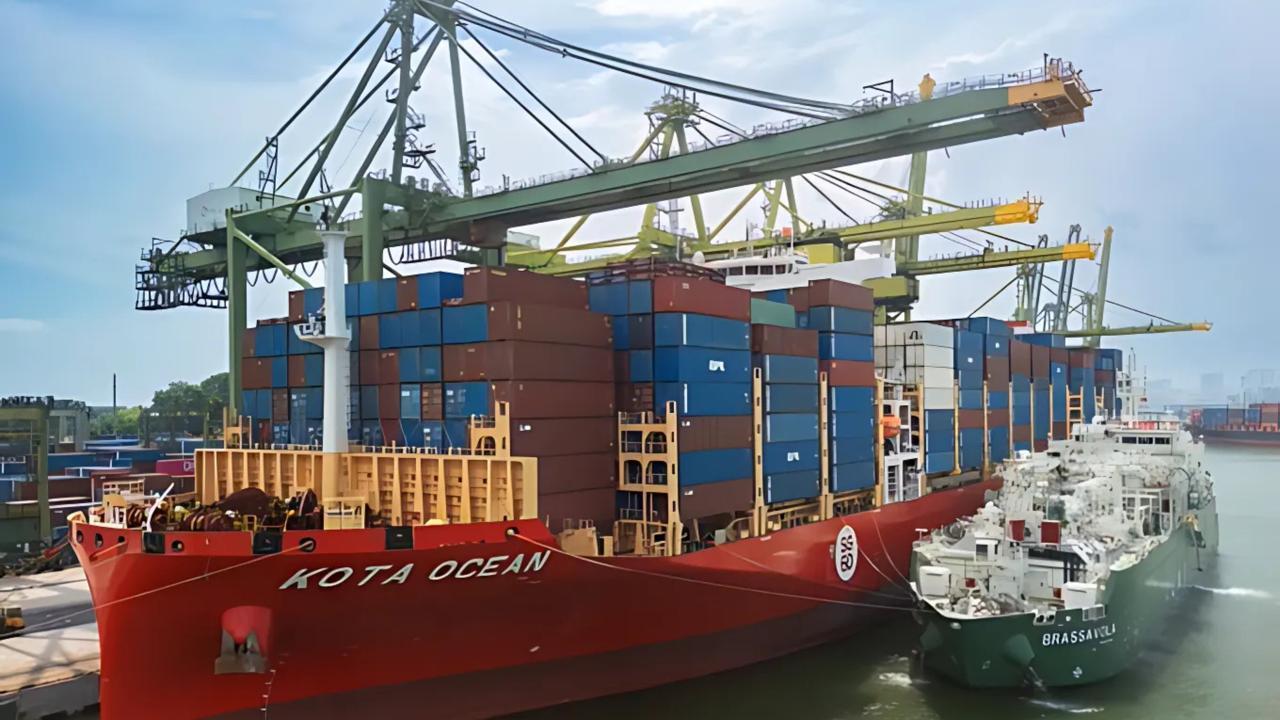
Photo : X / Offshore Energy - Alternative Fuels
Singapore's PIL Achieves LNG and Cargo First in One Operation
In a milestone for sustainable maritime operations, Singapore-based Pacific International Lines (PIL) has successfully completed its first simultaneous LNG bunkering and cargo handling operation at the Port of Singapore. This pioneering move not only reinforces PIL’s commitment to greener shipping but also signals a major operational shift that could reshape the economics and logistics of fuel transitions in global shipping.
The operation involved one of PIL’s dual-fuel LNG vessels, the Kota Megah, which received liquefied natural gas fuel from a bunker vessel while loading and unloading cargo at the same time. This type of coordination—known in industry circles as SIMOPS (Simultaneous Operations)—represents a significant improvement in turnaround efficiency, potentially saving hours or even days on port stays.
Dual-Fuel Ambition Meets Operational Reality
PIL, one of Asia’s largest container shipping companies, has been steadily building its dual-fuel LNG fleet in response to the International Maritime Organization’s 2030 and 2050 decarbonization targets. While many shipping companies have tested LNG bunkering in isolation, the combination of bunkering and cargo work in one continuous operation remains rare.
According to PIL’s senior management, the achievement marks “a step in integrating sustainable fuel use into day-to-day commercial shipping without disrupting supply chain timetables.” They emphasized that fuel transitions in shipping cannot succeed if they slow down trade or raise operational costs beyond competitive levels.
Why LNG Bunkering Matters Now
LNG is currently viewed as one of the most viable transitional marine fuels, offering substantial reductions in sulfur oxides (SOx), nitrogen oxides (NOx), and particulate matter compared to traditional heavy fuel oil. More importantly, it cuts carbon dioxide emissions by roughly 20% per voyage, depending on operational efficiency.
However, critics have pointed to the “methane slip” issue—unburned methane escaping into the atmosphere during combustion—which undermines some of LNG’s climate benefits. Proponents argue that technological advances in engine design and onboard gas management are reducing methane slip and that LNG is a practical stepping stone until scalable green fuels like ammonia and hydrogen become commercially viable.
The Operational Challenge of SIMOPS
Conducting LNG bunkering alongside cargo handling is a complex task involving strict safety protocols. LNG, stored at cryogenic temperatures of about -162°C, requires specialized transfer equipment, double-walled pipelines, and continuous monitoring for leaks or pressure fluctuations.
During SIMOPS, two major workflows—cargo crane operations and LNG transfer—take place in parallel. This means:
PIL’s technical team worked closely with the Maritime and Port Authority of Singapore (MPA) to ensure all procedures met the highest safety standards. The MPA has been actively promoting LNG as part of its Green Port Programme, offering incentives for LNG-powered vessels and bunker suppliers.
Strategic Importance for Singapore
As one of the world’s busiest container hubs, Singapore plays a central role in maritime decarbonization trials. Its port handles more than 37 million TEUs annually, and integrating green fuel operations into this traffic-heavy environment is a significant logistical challenge.
By enabling SIMOPS for LNG, Singapore strengthens its position as a global bunkering leader. According to MPA officials, the goal is to ensure that ships can adopt low-emission fuels without compromising on speed and cost—two factors that determine whether operators will make the switch.
PIL’s success is also symbolic for Singapore’s ambition to maintain its competitive edge as new green shipping corridors emerge. With the EU’s Emissions Trading System now applying to maritime traffic and other regions considering carbon taxes, ports that can offer efficient, low-emission fuel services are likely to attract more transshipment traffic.
Competitive and Environmental Gains
For PIL, the commercial benefits of SIMOPS are clear. Each hour saved in port can translate into thousands of dollars in operating costs avoided, while also reducing emissions from auxiliary engines idling during port stays.
From an environmental standpoint, combining bunkering and cargo operations reduces double handling—ships no longer need separate berths or repeated maneuvering, which consumes additional fuel. This contributes to marginal but measurable emission reductions on a per-voyage basis.
A PIL operations manager explained, “In the container shipping business, the difference between profit and loss can be razor thin. If we can meet environmental goals while increasing port efficiency, we not only future-proof our fleet but also maintain competitive freight rates for customers.”
LNG as a Step, Not the Destination
PIL’s investment in LNG-capable vessels is part of a broader fleet renewal strategy. While LNG is their immediate focus, company executives are already eyeing future retrofits or conversions for alternative fuels such as green methanol or ammonia.
This “fuel-flexible” approach is gaining popularity among large operators who recognize that fuel technology is evolving quickly. By installing dual-fuel engines now, companies like PIL can adapt to whatever low-carbon fuel infrastructure becomes commercially dominant in the next decade.
Industry Reactions and Wider Implications
The shipping community has taken note of PIL’s achievement. Analysts from maritime consultancy Clarksons Research suggest that SIMOPS capability could become a standard expectation for LNG and alternative fuel vessels by 2030, especially in high-throughput ports.
Other carriers, particularly in Europe and East Asia, are watching closely. Several major operators—including CMA CGM, Hapag-Lloyd, and ONE—are also expanding their LNG bunkering capabilities, but most still separate fuel and cargo operations due to safety constraints or lack of integrated infrastructure.
The PIL case shows that with the right planning, SIMOPS can be both safe and efficient, potentially setting a new operational benchmark for the sector.
Future
While the maritime industry continues to debate the long-term role of LNG, the operational milestone achieved by PIL cannot be understated. It demonstrates that cleaner fuels can be integrated into fast-paced, commercially driven shipping networks without disrupting schedules—a critical requirement for widespread adoption.
For Singapore, the operation enhances its profile as a forward-looking port authority capable of adapting to new fuel ecosystems. For PIL, it’s a statement of intent: to be a leader in both operational efficiency and environmental responsibility.
As the global shipping industry navigates a turbulent regulatory landscape—balancing environmental mandates, cost pressures, and technological uncertainties—such examples of practical, scalable solutions will likely shape the next phase of maritime decarbonization.
In the highly competitive and carbon-conscious shipping industry, every hour and every emission count. By combining LNG bunkering with cargo handling, PIL has proven that sustainability and efficiency do not have to be mutually exclusive. It’s a model that other carriers may soon be compelled to follow—not just for the planet’s sake, but for their own survival in a rapidly changing global trade environment.
LNG bunkering Singapore, SIMOPS maritime operations



Advances in Aerospace Technology and Commercial Aviation Recovery
Insights into breakthrough aerospace technologies and commercial aviation’s recovery amid 2025 chall

Defense Modernization and Strategic Spending Trends
Explore key trends in global defense modernization and strategic military spending shaping 2025 secu

Tens of Thousands Protest in Serbia on Anniversary of Deadly Roof Collapse
Tens of thousands in Novi Sad mark a year since a deadly station roof collapse that killed 16, prote

Canada PM Carney Apologizes to Trump Over Controversial Reagan Anti-Tariff Ad
Canadian PM Mark Carney apologized to President Trump over an Ontario anti-tariff ad quoting Reagan,

The ad that stirred a hornets nest, and made Canadian PM Carney say sorry to Trump
Canadian PM Mark Carney apologizes to US President Trump after a tariff-related ad causes diplomatic

Bengaluru-Mumbai Superfast Train Approved After 30-Year Wait
Railways approves new superfast train connecting Bengaluru and Mumbai, ending a 30-year demand, easi




