Post by : Amit
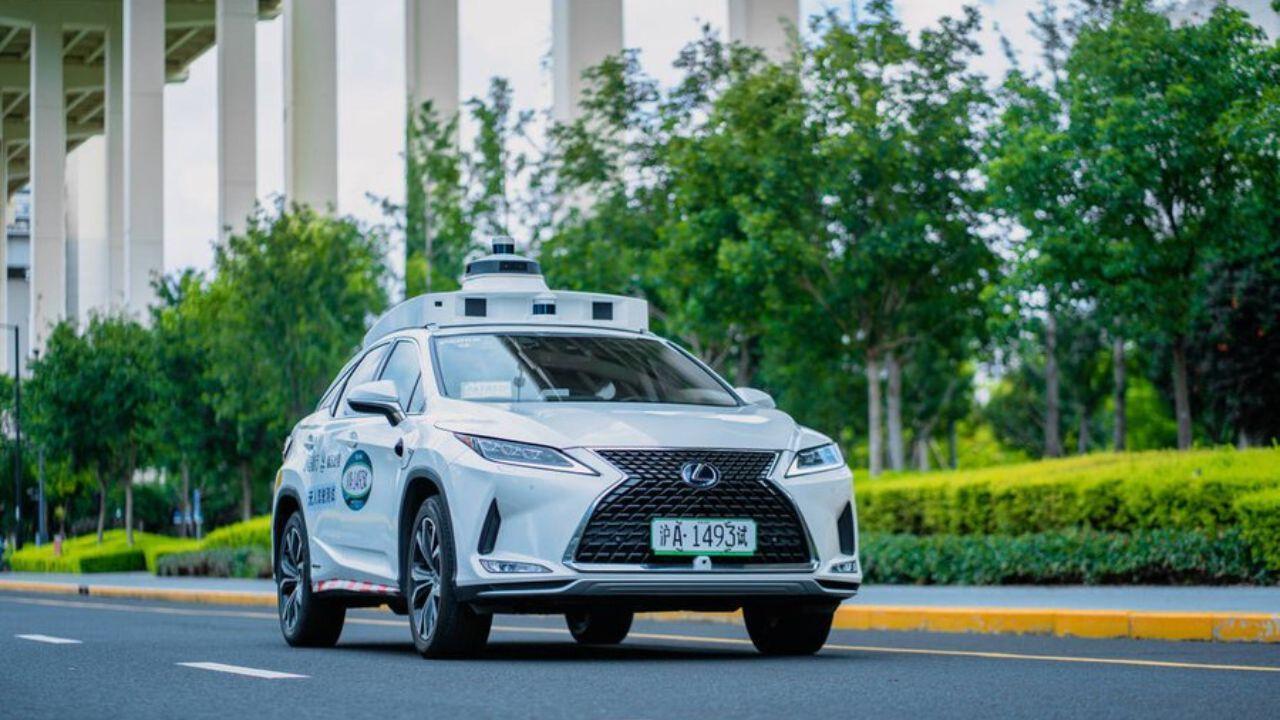
Photo : X / China Science
Pony.ai Nears 2025 Robotaxi Goal, Eyes Global Expansion
In a major step toward commercializing autonomous transport, Pony.ai is fast approaching its 2025 goal of deploying 1,000 Gen-7 robotaxis, having already put over 200 vehicles on roads since production kicked off. The company’s aggressive expansion across major Chinese cities and its plans for Europe and the Middle East signal a new era in driverless mobility.
Pony.ai’s full-time robotaxi operations have gone live in Guangzhou and Shenzhen, offering 24/7 service and eliminating previous hourly limitations. In Beijing, the fleet has similarly transitioned to round-the-clock testing, marking a shift from limited trials to continuous operations in key megacities.
Journey from Testing to Commercial Operations
Pony.ai’s path began with early autonomous trials in Guangzhou, deploying a fleet equipped with safety drivers. Over time, its systems achieved significant milestones: 50 million kilometers driven and more than 500,000 hours of unattended operation. The company reports a safety performance ten times better than human drivers, findings based on extensive on-road data.
Its seventh-generation vehicle, built on a foundation called PonyWorld, comes equipped with a multi-sensor array including 128-beam LiDAR, high-resolution cameras, and 4D radar, offering full 360° perception up to 650 meters. Sensor self-cleaning features ensure reliable performance through rain, fog, or dust.
By enabling 24/7 operations in major cities, Pony.ai moves from strategic test zones to continuous service, servicing consumers throughout the full day and night cycle.
Approaching the 1,000-Robotaxi Target
Pony.ai is now on course to meet its commitment of 1,000 Gen-7 robotaxis on the road by the end of 2025. With mass production starting just two months ago, that puts average output at nearly 100 vehicles per month—an impressive ramp-up for a company still refining autonomous systems.
Quarterly revenue reflects this progress, with a reported 158% rise in robotaxi income compared to the previous year. While the business remains unprofitable overall, CEO James Peng expects unit-level break-even by 2025–26, signaling confidence that scaling volumes will drive down per-vehicle costs and turn the fleet into a sustainable business.CEO Peng also expects a 12% market share of ride-hailing trips in China's first-tier cities by 2030, underscoring the company’s long-term ambition.
Tech and Manufacturing: A Strategic Edge
Pony.ai’s seventh-generation robotaxis are a result of deep technical iteration. The integration of LiDAR, radar, and vision created a robust Autonomous Driving System capable of operating in challenging urban conditions—day or night, rain or shine.
Partnerships with established automakers like Toyota, BAIC, and GAC have been key. These collaborations ensure high-quality vehicle platforms and scalable manufacturing, helping Pony.ai reduce costs and ramp production. Leveraging existing auto industry assembly lines allows it to focus on developing software and sensor systems without taking on full vehicle production.
Robust financial backing, including a $452 million IPO and support from state-owned automakers, supports a model focused on software, sensor integration, and fleet deployment—rather than building vehicles from scratch.
Expanding Beyond China’s Cities
While growth in China remains the priority, Pony.ai is charting a global path. Trials have begun in Luxembourg, South Korea, and the United Arab Emirates, reinforcing ambitions in Europe and the Middle East.
Strategic agreements include a ride-sharing partnership with Uber in the Gulf, where mixed supervised and driverless rides are planned starting in late 2025. Pony.ai has secured Dubai RTA approval for trials, targeting fully autonomous operations by 2026. Global outreach reflects two major goals: capturing new urban transit markets and building a resilient business model less tied to any single geography.
Profitability Goals and Investment Strategy
Pony.ai projects profitability through achieving critical scale and optimizing per-unit production. The Gen-7 vehicle cost is expected to fall below RMB 300,000 (~$41,000 USD) as volume increases, compared to earlier generations that exceeded RMB 500,000.
Revenue growth—marked by the 158% increase in robotaxi income over the past year—reinforces faith in fleet economics. As ride volumes rise and vehicle costs decline, Pony.ai anticipates sustainable financial performance starting in 2026.
Strategic support from investors and partners like Toyota, GAC, and Sovereign Investment Authority of Neom, along with profitable logistics deployments, offer additional financial levers.
Industry Positioning Amid Global Competition
China leads in robotaxi deployment, with companies like Pony.ai and Baidu’s Apollo launching commercial services in major cities. Pony.ai operates driverless fleets in Beijing, Guangzhou, and Shenzhen, while Shanghai still requires safety drivers.
International rivals include Waymo, operating in the U.S., and Tesla, planning trials in Saudi Arabia. Pony.ai’s operational data and production capacity may provide a substantial edge, even as global firms prepare for overseas expansions.
In the Gulf, regional support and regulatory openness make it fertile ground. UAE cities aim for high autonomous mobility penetration: 25% of rides in Dubai by 2030, and 15% of transport by 2030 in Saudi Arabia. Uber integration amplifies Pony.ai’s presence in these emerging markets.
Emerging Challenges and Evolving Regulations
Despite progress, obstacles remain. International expansion depends on regulatory alignment in new markets. Each jurisdiction may impose localized rules, insurance mandates, and safety protocols, which can delay deployment.
Public acceptance is another factor. Even in testing zones, rider confidence in driverless taxis requires time and exposure. Pony.ai plans incremental rollouts, combining supervised and autonomous phases to acclimate passengers gradually.
Competitive pricing, urban infrastructure for charging and maintenance, and driverless software innovation (especially for suburban and rural routes) will also shape success.
Reimagining Urban Mobility
If successful, Pony.ai’s 1,000-vehicle fleet by year-end will mark a shift in public transport dynamics. Reduced reliance on human drivers, automated dispatching, and optimized route planning could reshape ride-hailing economics.
For commuters, robotaxis promise consistent fares, availability at all hours, and freedom from driver shortages. Late-night transportation may be the first major beneficiary. Urban planners could leverage autonomous fleets to ease congestion and improve transit coverage.
As Pony.ai scales geographically, foundational changes in urban mobility systems could follow — from station-based fleets to AI-driven route matching.
Future-Focused: Signals and Shifts Through 2026
Key indicators of Pony.ai’s trajectory include:
Each milestone will provide early signs of whether autonomous taxis can move from pilot programs to mainstream transit solutions.
Pony.ai robotaxi, Autonomous taxi expansion



Advances in Aerospace Technology and Commercial Aviation Recovery
Insights into breakthrough aerospace technologies and commercial aviation’s recovery amid 2025 chall

Defense Modernization and Strategic Spending Trends
Explore key trends in global defense modernization and strategic military spending shaping 2025 secu

Tens of Thousands Protest in Serbia on Anniversary of Deadly Roof Collapse
Tens of thousands in Novi Sad mark a year since a deadly station roof collapse that killed 16, prote

Canada PM Carney Apologizes to Trump Over Controversial Reagan Anti-Tariff Ad
Canadian PM Mark Carney apologized to President Trump over an Ontario anti-tariff ad quoting Reagan,

The ad that stirred a hornets nest, and made Canadian PM Carney say sorry to Trump
Canadian PM Mark Carney apologizes to US President Trump after a tariff-related ad causes diplomatic

Bengaluru-Mumbai Superfast Train Approved After 30-Year Wait
Railways approves new superfast train connecting Bengaluru and Mumbai, ending a 30-year demand, easi




