Post by : Amit
California's Green Gateway Steps Up: Port of Hueneme Launches Second Clean-Air Barge
The Port of Hueneme in Southern California has deployed its second hybrid-electric barge as part of a landmark clean air strategy. Known for its leadership in green port initiatives, Hueneme's move underscores a larger trend among U.S. ports transitioning toward low-emission cargo handling operations. This new barge, now operating alongside an existing one, is a key milestone in the port’s Shore Power Emissions Reduction Program—a regional model for clean maritime logistics.
By doubling its capacity for zero-emission harbor operations, the Port of Hueneme is not only mitigating pollution but also bolstering its credentials as a forward-thinking logistics hub. For a port that handles over $11 billion in trade annually and serves as a vital link in the Southern California goods movement corridor, the clean air initiative is about more than regulatory compliance—it's about sustainable competitiveness.
Why a Second Barge Matters for Port Decarbonization
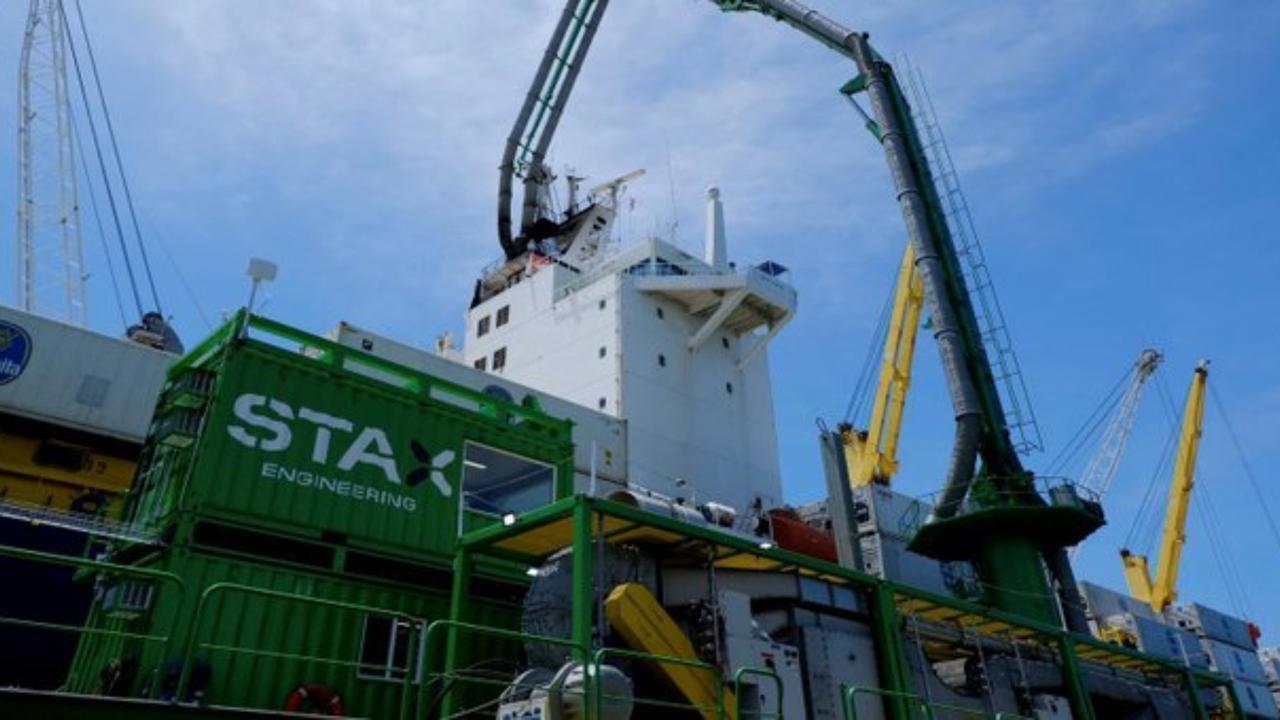
The addition of a second barge may sound modest on the surface, but in the world of port operations, it represents a significant evolution. These barges are hybrid-electric and function as floating power units that connect vessels to shore-side power while docked. Instead of keeping ship engines idling and burning bunker fuel, vessels can draw cleaner energy via the barges, drastically cutting emissions of nitrogen oxide (NOx), sulfur oxide (SOx), particulate matter (PM), and carbon dioxide (CO₂).
Before the barge program, ocean-going vessels at Hueneme, like in many other ports, were required to burn fuel while in berth—an unavoidable contributor to poor air quality in surrounding communities. The arrival of the first barge began changing that narrative. With a second unit now operational, the port has significantly increased its ability to meet ship demand without reverting to polluting alternatives.
The Port of Hueneme anticipates that with two barges in rotation, ships will no longer have to wait their turn for shore power hookups. This continuity ensures seamless, cleaner logistics operations across a greater number of shipping lines and schedules, positioning the port ahead of California’s increasingly stringent clean air mandates.
How the Hybrid Barge System Works
Developed in collaboration with harbor engineering firms and clean energy partners, the barges are equipped with battery storage, hybrid engines, and plug-in electric connectors. Once a ship docks, the barge is moved alongside and connects via high-capacity power cables to supply electrical power equivalent to what would be generated by the ship’s auxiliary engines.
The system is entirely modular, allowing it to adapt to vessels of different sizes and configurations. It’s also remotely monitored and optimized for energy efficiency, using smart sensors and AI-based load-balancing software to ensure that power consumption is proportional to ship demand.
This real-time energy optimization is one of the features that sets Hueneme’s approach apart from other shore power solutions. While traditional shore power infrastructure requires fixed installations along the berth, the barge-based system offers flexibility and scalability—essential qualities for a growing port like Hueneme.
Driving Forces Behind Hueneme’s Emission Goals
The Port of Hueneme is governed by the Oxnard Harbor District and operates as an independent public port. Unlike neighboring mega-ports in Los Angeles and Long Beach, Hueneme’s approach has often relied on strategic partnerships, community collaboration, and grants to stay ahead in the clean energy game.
The barge program is funded in part through the California Air Resources Board (CARB) and Ventura County Air Pollution Control District. These bodies have backed a host of clean maritime initiatives across California, but Hueneme’s project stood out for its modularity, quick implementation timeline, and integration with larger environmental programs.
In fact, the port is actively pursuing a goal of achieving zero emissions by 2030—a timeline more aggressive than many of its counterparts. The Shore Power Emissions Reduction Program, including the dual barges, is a critical step toward this vision.
Additionally, the port has committed to full transparency in tracking and reporting air quality metrics. Every vessel plugged into the system is logged, emissions savings are modeled, and data is shared publicly through quarterly environmental reports. It’s this level of accountability that has garnered praise from both regulators and environmental advocacy groups.
Regional Impact: Beyond the Dockside
The environmental and social impact of this initiative extends well beyond the immediate vicinity of the dock. Located in Ventura County, the Port of Hueneme is surrounded by densely populated urban zones, agricultural lands, and protected marine ecosystems. Historically, communities in the port’s buffer zone have expressed concern over the health effects of diesel emissions, especially in Oxnard and Port Hueneme—areas with above-average asthma rates and other respiratory health challenges.
With the second barge now in operation, local air quality improvements are already being observed. According to initial estimates from port authorities, each barge reduces approximately 1,500 metric tons of CO₂ and 15 tons of NOx annually. Doubling that impact effectively removes the equivalent of 650 cars’ emissions from local roadways each year.
Moreover, the clean air program is tightly integrated with other port initiatives, including zero-emission cargo handling equipment, clean truck programs, and renewable energy installations like solar and battery storage units on port property.
Stakeholder Reactions and Industry Significance
Industry players, environmentalists, and government agencies have welcomed the move. Kristin Decas, CEO and Port Director at the Port of Hueneme, noted in a statement, “This second barge is more than just an asset—it’s a statement. We are proving that green growth is possible, even for a relatively small port. It’s about setting a standard and showing leadership.”
Shipping lines like Wallenius Wilhelmsen and NYK Line, which frequently call at Hueneme, have also praised the expanded shore power capacity. For them, access to cleaner ports increasingly factors into route planning, investor relations, and ESG (environmental, social, governance) ratings.
From a regulatory standpoint, the port’s strategy aligns closely with upcoming CARB regulations requiring 100% of container, reefer, and passenger vessels at California ports to use shore power by 2028. Ports that cannot comply risk losing traffic to those that can—making this barge addition a strategic move for long-term growth.
A Model for Mid-Sized Ports Nationwide
While megahubs like the Port of Los Angeles have the capital to invest in fixed mega-infrastructure, smaller ports often struggle to compete on green upgrades. Hueneme’s floating, modular barge system is now being viewed as a replicable model for other mid-sized and smaller ports nationwide.
The system requires less time to build, doesn’t interfere with dock operations, and can scale with growth. In regions with funding constraints or space limitations, barges like these could offer a path forward without compromising environmental responsibility.
Already, port authorities from Oregon, Texas, and even the Great Lakes region have reached out to study Hueneme’s system design, funding structure, and implementation metrics.
From Clean Air to Full Decarbonization
Even as the second barge becomes operational, the Port of Hueneme is not resting on its laurels. Plans are already underway to add a third barge, expand battery capacity, and pilot hydrogen-powered tugboats for emissions-free harbor craft. Additionally, the port is exploring microgrid integration and carbon capture trials with academic and industry partners.
The clean air initiative is one pillar in a broader sustainability framework that includes ocean-friendly dredging, smart logistics using AI, and investment in community resilience programs. Each component ties into a grander vision of a port that is resilient, inclusive, and climate-smart.
As global shipping faces mounting pressure to decarbonize—from regulatory bodies, supply chain partners, and the public alike—ports that lead the charge will be better positioned to thrive. With this second barge, Hueneme just took another decisive step in that direction.
A Small Port Making a Big Difference
The Port of Hueneme’s deployment of a second hybrid-electric barge isn’t just a story about clean tech—it’s a story about ambition, responsibility, and smart maritime strategy. As California ports race toward emissions compliance, Hueneme has managed to stand out by acting quickly, collaborating deeply, and focusing on real, measurable impact.
In an era where the climate cost of every cargo ton matters, Hueneme is showing that small doesn’t mean insignificant. If anything, it may be leading the way for others to follow.
Port, California, hybrid-electric



Advances in Aerospace Technology and Commercial Aviation Recovery
Insights into breakthrough aerospace technologies and commercial aviation’s recovery amid 2025 chall

Defense Modernization and Strategic Spending Trends
Explore key trends in global defense modernization and strategic military spending shaping 2025 secu

Tens of Thousands Protest in Serbia on Anniversary of Deadly Roof Collapse
Tens of thousands in Novi Sad mark a year since a deadly station roof collapse that killed 16, prote

Canada PM Carney Apologizes to Trump Over Controversial Reagan Anti-Tariff Ad
Canadian PM Mark Carney apologized to President Trump over an Ontario anti-tariff ad quoting Reagan,

The ad that stirred a hornets nest, and made Canadian PM Carney say sorry to Trump
Canadian PM Mark Carney apologizes to US President Trump after a tariff-related ad causes diplomatic

Bengaluru-Mumbai Superfast Train Approved After 30-Year Wait
Railways approves new superfast train connecting Bengaluru and Mumbai, ending a 30-year demand, easi




