Post by : Amit
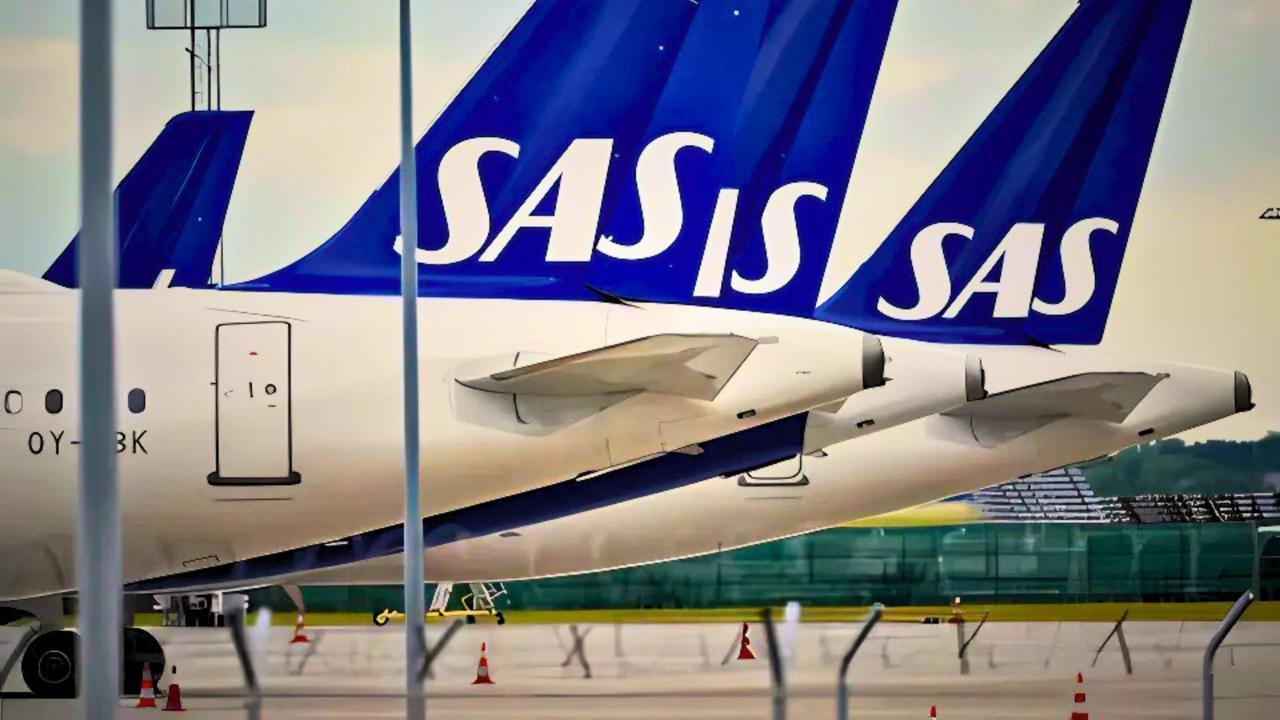
Photo: Reuters
A Strategic Leap for Scandinavian Airlines
In a move set to reshape its transatlantic business, Scandinavian Airlines (SAS) is preparing to integrate into a powerful new joint venture with key members of the SkyTeam alliance, paving the way for expanded operations and deeper market penetration on North America-Europe routes.
The development comes as SAS, the flag carrier of Denmark, Norway, and Sweden, edges closer to officially joining the SkyTeam global alliance, departing from its previous long-standing affiliation with Star Alliance. This strategic shift is expected to breathe new life into SAS’s long-haul operations, particularly across the lucrative North Atlantic sector.
The SkyTeam Advantage
SAS’s entry into SkyTeam will enable the airline to participate in an extensive joint venture currently anchored by Air France, KLM, Delta Air Lines, and Virgin Atlantic. This transatlantic venture accounts for a significant share of Europe-North America passenger traffic, offering members enhanced network access, revenue-sharing opportunities, and coordinated schedules.
By joining this venture, SAS will gain a competitive edge, allowing it to strengthen its presence in key U.S. and Canadian markets while providing smoother connections for passengers and increased operational efficiencies.
Anko van der Werff, SAS President and CEO, called the move “a critical turning point” for the airline’s international strategy, emphasizing that deeper cooperation within SkyTeam would unlock new growth pathways for its long-haul services.
Boosting Transatlantic Connectivity
SAS has long maintained transatlantic flights connecting Scandinavian capitals to major U.S. gateways including New York, Chicago, and San Francisco. However, the intense competition and cost pressures of long-haul operations have posed challenges, especially as the airline continues to emerge from the financial setbacks of the pandemic.
The integration into the SkyTeam transatlantic joint venture is expected to bolster SAS’s ability to compete by offering access to a broader passenger base, shared resources, and optimized flight schedules. This could potentially lead to new route launches, frequency increases, and improved profitability on existing services.
For passengers, the integration promises enhanced connectivity, streamlined itineraries, and expanded loyalty program benefits across a wider network of partner airlines.
Reshaping Long-Haul Strategy
The move is part of SAS’s broader transformation plan, which includes fleet modernization, network realignment, and restructuring under U.S. Chapter 11 bankruptcy protection—a process the airline hopes to conclude later this year.
With fuel-efficient Airbus A350s and A330s forming the backbone of its long-haul fleet, SAS is well-positioned to take advantage of the operational synergies offered by the new venture. The focus will be on high-demand routes that leverage the combined strengths of SkyTeam’s transatlantic partners.
Industry analysts view SAS’s inclusion in the joint venture as a smart alignment with airlines that share a strategic focus on transatlantic connectivity, particularly as the post-pandemic rebound in long-haul demand continues to gather momentum.
A New Era for Scandinavian Aviation
The airline’s shift to SkyTeam reflects not only a change in alliance membership but also a redefinition of its global ambitions. For decades, SAS has been a central figure in the Star Alliance network. Moving to SkyTeam marks the start of a new era, one in which the airline seeks to be more agile, competitive, and financially resilient.
The new joint venture will allow SAS to tap into a highly integrated commercial platform, potentially offsetting the volatility of standalone operations on thin transatlantic routes. By collaborating on pricing, schedules, and capacity planning, SAS can pursue a more sustainable growth model.
The move also underscores the growing importance of partnerships and consolidation in global aviation, particularly in the long-haul space where high fixed costs and intense competition make collaborative strategies increasingly essential.
What It Means for Passengers
For frequent flyers and leisure travelers alike, the integration promises tangible benefits. Travelers can expect better flight options, improved connections through major hubs like Paris, Amsterdam, and Atlanta, and seamless transfer opportunities across SkyTeam carriers.
Additionally, SAS EuroBonus members will gain reciprocal loyalty perks with SkyTeam airlines, including priority services, lounge access, and mileage earning and redemption on a wider range of flights.
The expanded joint venture could also result in the launch of new city pairs between Scandinavia and secondary North American destinations, opening up fresh travel opportunities for both business and leisure passengers.
Future Outlook
The transatlantic market remains one of the most competitive and profitable arenas in global aviation. SAS’s decision to pivot towards deeper cooperation within SkyTeam’s joint venture reflects the airline’s ambition to remain a serious player on this critical front.
With international travel demand rebounding and global airlines recalibrating their networks, the move positions SAS to benefit from increasing transatlantic traffic flows, particularly from business travelers, tourists, and the growing Scandinavian diaspora in North America.
As SAS finalizes its exit from bankruptcy and formalizes its place within SkyTeam, the airline’s integration into the transatlantic venture will likely serve as a cornerstone of its long-term recovery and growth strategy.
For now, Scandinavian Airlines is charting a bold new course—one that aims to blend its Nordic heritage with global reach, offering passengers more choices while ensuring the airline’s resilience in a rapidly evolving aviation landscape.
Airlines, Aviation



Advances in Aerospace Technology and Commercial Aviation Recovery
Insights into breakthrough aerospace technologies and commercial aviation’s recovery amid 2025 chall

Defense Modernization and Strategic Spending Trends
Explore key trends in global defense modernization and strategic military spending shaping 2025 secu

Tens of Thousands Protest in Serbia on Anniversary of Deadly Roof Collapse
Tens of thousands in Novi Sad mark a year since a deadly station roof collapse that killed 16, prote

Canada PM Carney Apologizes to Trump Over Controversial Reagan Anti-Tariff Ad
Canadian PM Mark Carney apologized to President Trump over an Ontario anti-tariff ad quoting Reagan,

The ad that stirred a hornets nest, and made Canadian PM Carney say sorry to Trump
Canadian PM Mark Carney apologizes to US President Trump after a tariff-related ad causes diplomatic

Bengaluru-Mumbai Superfast Train Approved After 30-Year Wait
Railways approves new superfast train connecting Bengaluru and Mumbai, ending a 30-year demand, easi




