Post by : Amit
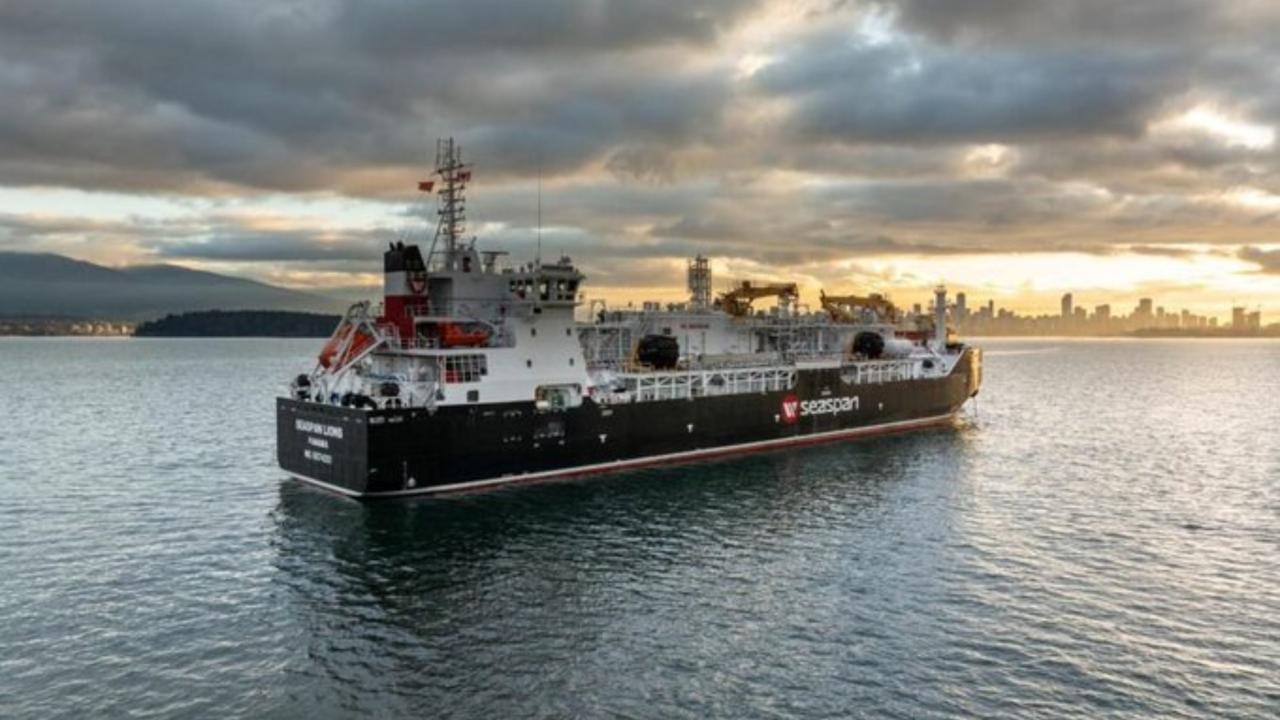
Photo : X / Green Marine
A New Era in West Coast Maritime Fuels
The West Coast of Canada is entering a transformative chapter in sustainable shipping, as Seaspan Energy officially launches renewable LNG bunkering services. This development marks a significant leap in the region’s efforts to decarbonize marine transportation, offering ship operators a cleaner-burning fuel alternative that retains the reliability and performance of conventional liquefied natural gas while slashing lifecycle greenhouse gas emissions.
With global shipping under mounting pressure to meet International Maritime Organization (IMO) decarbonization targets, the introduction of renewable LNG on this coastline represents more than just a new fuel option — it is a signal that Canada’s maritime sector is ready to invest in infrastructure, supply chains, and operational models that align with the net-zero future.
From Concept to Commercial Reality
Seaspan Energy, the marine transportation arm of Seaspan Corporation, has spent the past several years building the capacity to handle LNG bunkering for a diverse range of vessel types. The company’s newest offering—renewable LNG, sourced from biomethane—builds on this experience. Renewable LNG is produced from organic waste streams such as agricultural residues, landfill gas, and wastewater treatment emissions, which are captured, refined, and liquefied.
Unlike fossil LNG, renewable LNG is carbon-neutral over its lifecycle because the CO₂ released during combustion matches the amount absorbed during the organic feedstock’s growth phase. In practical terms, this can result in up to 80% fewer greenhouse gas emissions compared to traditional marine fuels.
The project’s rollout required close coordination with fuel producers, storage facility operators, and regulatory agencies to ensure compliance with both Canadian and international safety and environmental standards. According to Seaspan, their first renewable LNG bunkering operation is scheduled for later this year in the Port of Vancouver, followed by services in Prince Rupert and Victoria.
Why Renewable LNG Matters for the Shipping Industry
For decades, heavy fuel oil has been the workhorse of ocean-going vessels, but its high sulfur and carbon content have made it a prime target in the fight against climate change and air pollution. While LNG has emerged as a cleaner option, reducing sulfur oxides (SOx) and nitrogen oxides (NOx) almost entirely and cutting CO₂ emissions by around 20%, it still relies on fossil gas extraction. Renewable LNG takes this a step further, breaking the link to fossil fuel production altogether.
By switching to renewable LNG, vessel operators can maintain the same propulsion systems and bunkering processes already in place for conventional LNG, avoiding costly retrofits or complex fuel-switching procedures. This “drop-in” compatibility gives it a major advantage over other alternative fuels such as hydrogen or ammonia, which may require entirely new ship designs and portside infrastructure.
West Coast Ports as Clean Energy Gateways
The choice to introduce renewable LNG in Canada’s western ports is strategic. The Pacific trade lanes are some of the busiest in the world, with container traffic between Asia and North America accounting for a large portion of global shipping volumes. This high density of vessel calls creates a strong demand base for cleaner fuels.
The Port of Vancouver, in particular, has made emissions reduction a core part of its operational mandate. Initiatives like shore power connections for cruise ships, green shipping corridors, and low-emission harbor craft policies have laid the groundwork for renewable LNG adoption. Seaspan’s bunkering fleet, already designed to handle LNG transfers safely and efficiently, will now extend its services to carry and deliver renewable LNG without major modifications.
Overcoming Market and Regulatory Hurdles
Despite its promise, renewable LNG faces challenges that Seaspan and its partners must navigate. The production of biomethane on a scale sufficient for global shipping demand remains limited, and the cost of renewable LNG can be significantly higher than fossil LNG. However, policy developments are beginning to tilt the economics in its favor.
Canada’s Clean Fuel Regulations and British Columbia’s Low Carbon Fuel Standard both offer credits and incentives for renewable fuel use, helping to narrow the price gap. Additionally, international carbon pricing mechanisms—such as the IMO’s upcoming greenhouse gas intensity requirements—are expected to make fossil fuels increasingly expensive for shipowners, thereby boosting the competitive position of renewable LNG.
Stakeholder Reactions and Industry Impact
Industry reaction to Seaspan’s announcement has been positive, particularly among operators already using LNG-powered vessels. “This is exactly the kind of innovation we need,” said a representative from a major container line that operates LNG dual-fuel ships on transpacific routes. “It gives us a viable path to further reduce emissions without compromising operational reliability.”
Environmental groups have been cautiously supportive, noting that while renewable LNG is a major step forward, it should be seen as part of a broader strategy that includes zero-emission fuels, improved vessel efficiency, and optimized logistics. Some have also emphasized the need to ensure that biomethane feedstocks are sustainably sourced to avoid unintended impacts on land use or food systems.
Scaling Up for a Net-Zero Future
Seaspan Energy views the launch of renewable LNG bunkering not as a final solution but as a bridge toward the long-term decarbonization of shipping. The company is already exploring synergies with hydrogen production, carbon capture technology, and advanced vessel designs to complement its clean fuel offerings.
The next two to three years will be critical in determining whether renewable LNG can gain a firm foothold in the West Coast maritime market. If uptake is strong, Seaspan may invest in additional bunkering vessels and storage capacity, potentially expanding services to U.S. West Coast ports such as Seattle, Tacoma, and Los Angeles.
In the global context, Canada’s early adoption of renewable LNG could position it as a leader in sustainable bunkering services, attracting vessel calls from operators who prioritize low-carbon supply chains. With pressure mounting from cargo owners, regulators, and climate-conscious consumers, initiatives like this one could become a decisive factor in port competitiveness.
A Strategic Move With Global Resonance
The introduction of renewable LNG bunkering by Seaspan on Canada’s West Coast marks a turning point in the region’s maritime energy transition. By leveraging existing LNG infrastructure and vessel technology, Seaspan is offering ship operators an immediate and practical way to cut carbon emissions while maintaining operational efficiency.
If the model succeeds, it could set a precedent for other ports worldwide, accelerating the shipping industry’s shift toward fuels that align with global climate goals. For now, all eyes will be on Vancouver as the first renewable LNG bunkering operations get underway—an event that could very well shape the future of Pacific maritime trade.
Renewable LNG bunkering, Seaspan LNG bunkering



Advances in Aerospace Technology and Commercial Aviation Recovery
Insights into breakthrough aerospace technologies and commercial aviation’s recovery amid 2025 chall

Defense Modernization and Strategic Spending Trends
Explore key trends in global defense modernization and strategic military spending shaping 2025 secu

Tens of Thousands Protest in Serbia on Anniversary of Deadly Roof Collapse
Tens of thousands in Novi Sad mark a year since a deadly station roof collapse that killed 16, prote

Canada PM Carney Apologizes to Trump Over Controversial Reagan Anti-Tariff Ad
Canadian PM Mark Carney apologized to President Trump over an Ontario anti-tariff ad quoting Reagan,

The ad that stirred a hornets nest, and made Canadian PM Carney say sorry to Trump
Canadian PM Mark Carney apologizes to US President Trump after a tariff-related ad causes diplomatic

Bengaluru-Mumbai Superfast Train Approved After 30-Year Wait
Railways approves new superfast train connecting Bengaluru and Mumbai, ending a 30-year demand, easi




