Post by : Amit
Photo: Reuters
The horror of the Air India AI-171 crash is far from fading — and now, a troubling possibility has emerged that could completely change how the world understands what happened. Simulator tests carried out as part of the investigation suggest that both engines of the aircraft may have failed just seconds after takeoff, leading to the deadly inferno that followed.
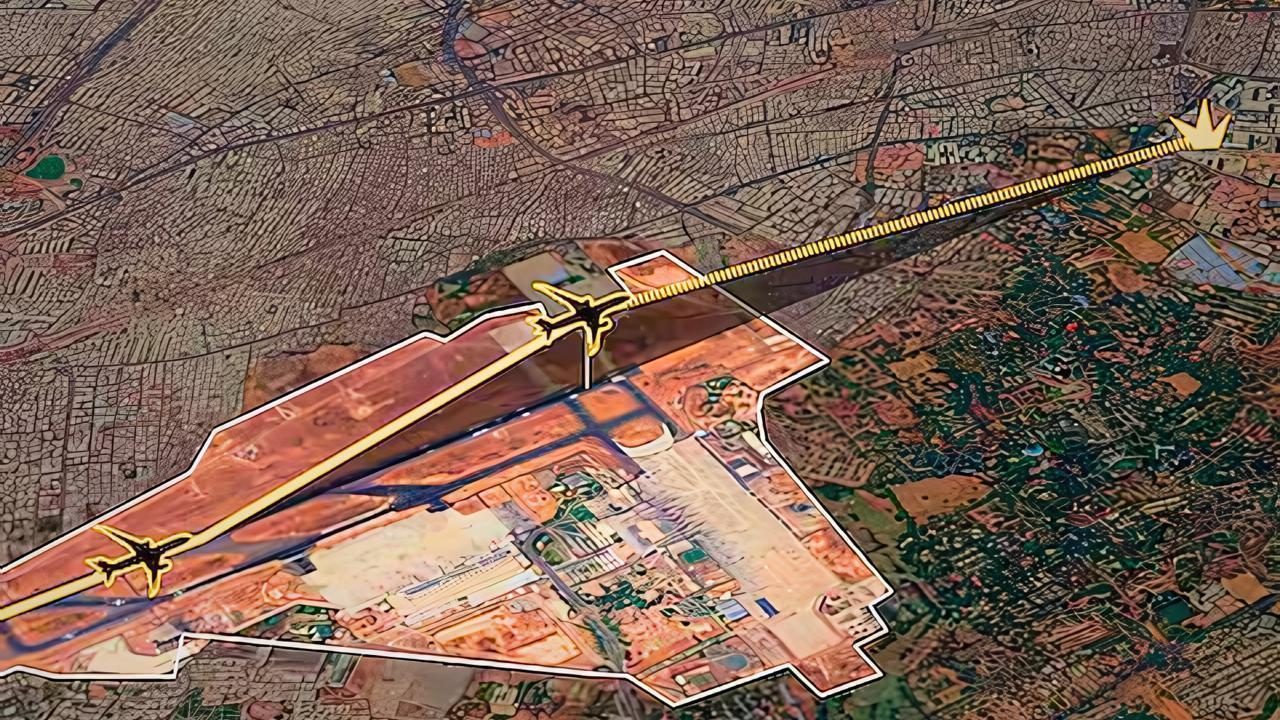
What started as an ordinary flight ended in unimaginable tragedy. As the aircraft lifted into the sky, it reportedly lost altitude abruptly, veered off its intended flight path, and crashed, erupting into flames. Families were devastated. The nation was shaken. And as investigators tried to make sense of it all, they began running detailed simulations — using the same aircraft model, under the same conditions.
What those simulator tests revealed was chilling. When both engines are simulated to fail right after liftoff, the outcome is eerily similar to what really happened — a rapid drop, loss of control, and a fiery impact. It doesn’t confirm engine failure as the exact cause, but it brings the investigation dangerously close to a possibility aviation experts fear the most: a dual-engine failure at low altitude.
Modern aircraft are built to handle a single engine failure — pilots are trained, and planes are designed to stay in the air. But when both engines go silent at once, especially during takeoff, there’s almost nothing that can save it. Such a failure is extremely rare. And that’s what makes this theory so alarming.
Was it a mechanical issue? Contaminated fuel? A bird strike? Or something even more unexpected? Investigators are digging through every detail — maintenance records, fueling logs, weather data, and airport radar. They’re also analyzing the aircraft’s black boxes — the flight data recorder and cockpit voice recorder — which could reveal what the pilots saw, said, and heard in their final moments.
For the families of those who died, every update matters. They’re not just waiting for answers — they’re waiting for justice. Waiting to understand how something so catastrophic could happen in this day and age. And whether it could have been prevented.
Air India and the aviation authorities have remained cautious. They say the investigation is ongoing and that drawing early conclusions would be irresponsible. But they’ve also acknowledged the simulator tests as an important step toward understanding the truth.
Experts believe that if this dual-engine theory is proven right, it could lead to serious changes — not just in how planes are maintained, but in how safety checks are done before takeoff, how emergency protocols are followed, and even how pilots are trained for worst-case scenarios.
This isn’t just a story about a crash. It’s a story about the fragility of technology, the unpredictability of machines, and the responsibility of an industry trusted with millions of lives every day. If anything, the AI-171 crash reminds us that even in an age of ultra-modern aviation, the sky can still be unforgiving.
As the investigation continues, one thing is clear — the truth must come out. Not only for the ones who were lost, but for every single person who steps onto a plane believing they’ll make it safely home.
Air India



Advances in Aerospace Technology and Commercial Aviation Recovery
Insights into breakthrough aerospace technologies and commercial aviation’s recovery amid 2025 chall

Defense Modernization and Strategic Spending Trends
Explore key trends in global defense modernization and strategic military spending shaping 2025 secu

Tens of Thousands Protest in Serbia on Anniversary of Deadly Roof Collapse
Tens of thousands in Novi Sad mark a year since a deadly station roof collapse that killed 16, prote

Canada PM Carney Apologizes to Trump Over Controversial Reagan Anti-Tariff Ad
Canadian PM Mark Carney apologized to President Trump over an Ontario anti-tariff ad quoting Reagan,

The ad that stirred a hornets nest, and made Canadian PM Carney say sorry to Trump
Canadian PM Mark Carney apologizes to US President Trump after a tariff-related ad causes diplomatic

Bengaluru-Mumbai Superfast Train Approved After 30-Year Wait
Railways approves new superfast train connecting Bengaluru and Mumbai, ending a 30-year demand, easi




