Post by : Amit
Photo : X / Gereon Kruse
Reimagining Rail Comfort with Smart Glass Innovation
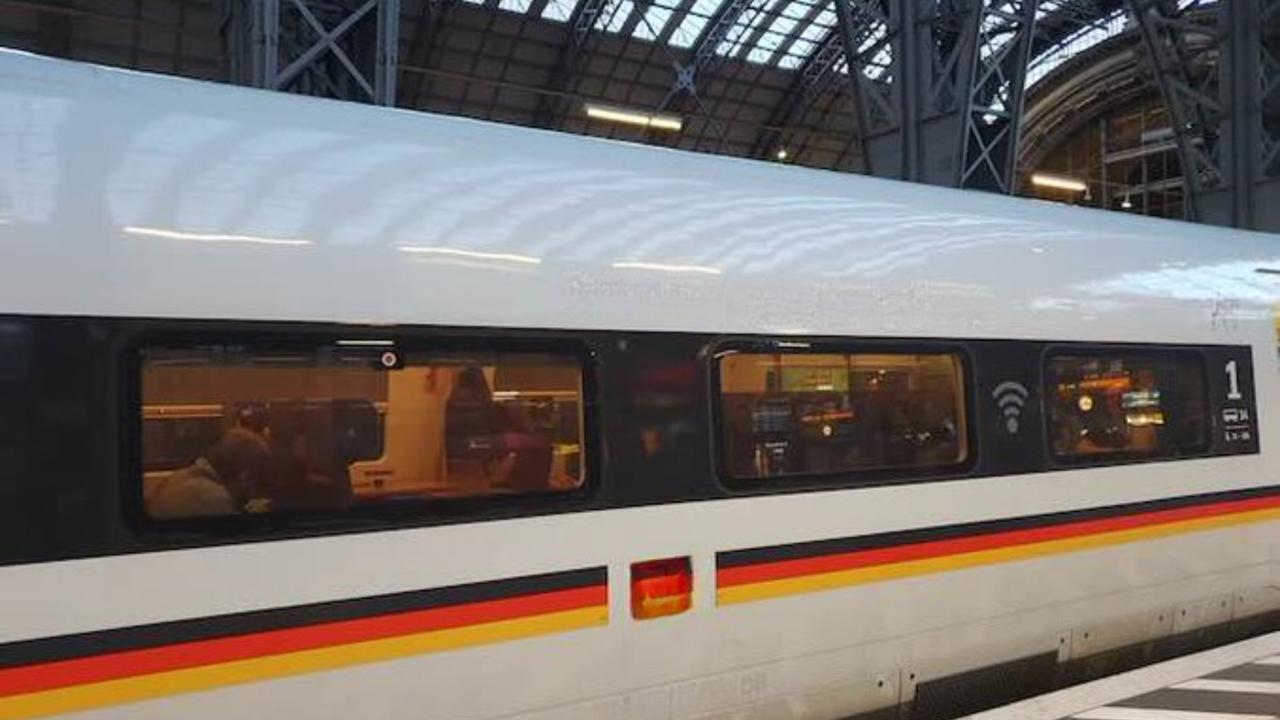
Siemens Mobility has launched field trials for its next-generation self-tinting train windows on select ÖBB (Austrian Federal Railways) routes, marking a transformative step in enhancing passenger comfort, reducing glare, and optimizing cabin energy consumption. The pilot program, unveiled this week, is being conducted on Austrian regional and intercity services running through the sun-drenched Danube Valley and alpine corridors—areas known for dramatic variations in daylight and temperature.
These smart windows, embedded with electrochromic technology, automatically adjust tint levels based on real-time sunlight intensity, temperature, and even occupancy patterns. This innovation aligns with Siemens Mobility’s larger vision of developing adaptive interiors that respond intelligently to passenger needs and environmental stimuli.
A Response to Modern Passenger Demands
Comfort and customization have become central pillars of the post-pandemic passenger experience. While high-speed Wi-Fi and ergonomic seating are now standard in modern rolling stock, visual comfort—especially concerning ambient light—has often remained overlooked. Siemens Mobility’s self-tinting windows directly tackle this issue, providing real-time shading without the need for blinds or manual intervention.
“Passengers today expect a space that adjusts to them, not the other way around,” said Dr. Heiko Lindner, Siemens Mobility’s VP of Innovation & Systems Integration. “These dynamic windows eliminate the harsh glare on screens, protect against UV exposure, and create a more relaxing onboard environment.”
The windows shift gradually from clear to a darker tint within 90 seconds, using sensors mounted inside and outside the train to measure sun angle and intensity. This creates a seamless ambient light transition, avoiding the jarring change traditional blinds often cause when pulled or released.
Energy Efficiency and Sustainability at the Core
Beyond passenger comfort, Siemens is also aiming for thermal regulation benefits. By limiting the amount of solar heat that enters the train cabin, the smart glass reduces the burden on HVAC systems—leading to lower energy consumption and increased system longevity.
Internal simulations show that, on routes with high sun exposure such as Linz–Graz or Salzburg–Klagenfurt, the use of these windows can reduce interior cooling demand by up to 13% during peak summer periods. Over a full operating year, this translates to considerable savings in power costs and a smaller carbon footprint.
Moreover, the electrochromic layers used in the glass are fully recyclable and designed for a lifespan exceeding 1 million tint cycles, making them both durable and environmentally friendly.
How the Technology Works
The smart windows are based on laminated glass units coated with multi-layer electrochromic films that react to a small electrical voltage. When activated, ions within the film rearrange to darken the glass. When the voltage is reversed, the ions return to their original positions, and the glass clears.
Unlike suspended-particle or liquid-crystal windows, electrochromic panels offer gradual, uniform tinting with no visible granularity or loss of visual clarity. Siemens is collaborating with Saint-Gobain Sekurit, a leader in advanced glazing, to co-develop this system for rail-specific applications.
The entire tinting system is integrated into the train’s central control and diagnostics platform, allowing conductors and maintenance teams to monitor window status and performance in real time. Manual override options are also included for emergency situations or passenger assistance.
Enhancing the Digital Travel Experience
In addition to improving physical comfort, Siemens is exploring how these smart windows can be combined with digital overlays, such as heads-up displays (HUDs) for scenic information, local weather alerts, or station announcements. The long-term plan is to transform train windows into interactive glass panels that serve both utility and entertainment purposes.
Siemens’ design team is already experimenting with light-permeable OLED overlays and AI-driven view enhancement filters, allowing passengers to receive context-aware information such as points of interest outside the train or connecting transport options at upcoming stations.
Collaborating with ÖBB for Real-World Data
The pilot tests are being carried out on Siemens Desiro ML trainsets operated by ÖBB across both flat and mountainous regions. These routes were selected to test the technology under a wide range of sunlight angles, durations, and temperatures. Each train features a mix of standard and electrochromic windows for A/B performance comparison.
“We're proud to support Siemens in bringing this exciting new technology to life,” said Thomas Kralinger, ÖBB’s Director of Rolling Stock Innovation. “Austria’s diverse terrain and climate make it the perfect testbed for adaptive window systems.”
Data from the pilot will be collected over six months, covering various seasons and peak travel periods. Siemens engineers will evaluate the system's reliability, passenger reactions, and energy efficiency before scaling to wider fleets.
Passenger Feedback Already Positive
Although the pilot is in its early phase, preliminary feedback from passengers has been overwhelmingly positive. Travelers have praised the elimination of glare, improved screen visibility, and cooler ambient temperatures—particularly on routes passing through direct sunlight.
“I didn’t even realize the windows were smart—it just felt more comfortable and easier to look outside,” said Eva Müller, a commuter on the Vienna–St. Pölten route. “Usually, I’m squinting or closing blinds when the sun hits, but this was perfect.”
Siemens has included a feedback portal accessible through the ÖBB mobile app, inviting passengers to rate their experience and suggest improvements. This direct user input will be critical in refining the interface and determining acceptable tint ranges for varying weather conditions.
Scaling Beyond Austria
If successful, Siemens Mobility plans to expand the smart window system across its regional and high-speed fleets in Europe. Discussions are already underway with rail operators in Germany, Switzerland, and the Benelux region, where similar glare and heat challenges are common—especially on electrified lines with long daylight exposure.
In the UK, Siemens has hinted at deploying the technology in the upcoming refurbishment of Thameslink Class 700 units, particularly for services running through southern England’s coastal belts.
Asian markets such as Japan and South Korea, known for their dense intercity traffic and tech-forward passengers, are also being considered as potential adopters. Siemens is reportedly in early talks with JR East and Korail about localized smart glass adaptations.
Competitive Landscape and Future Directions
Siemens’ self-tinting window trial places it in direct competition with Alstom, which is pursuing OLED-dimming solutions for its premium TGV cabins, and Hitachi Rail, which is exploring nano-particle infused transparent panels for heat control. However, Siemens’ integration of electrochromic technology within its broader intelligent train architecture gives it a distinct edge.
Looking ahead, Siemens is already investigating next-gen glass panels capable of harvesting solar energy to power onboard lighting or sensors—creating a sustainable, self-regulating system that aligns with its “Train of the Future” roadmap.
A Brighter (and Cooler) Future for Rail Travel
As passengers become more discerning and climate pressures grow, seemingly small details—like the way sunlight enters a cabin—take on greater importance. Siemens Mobility’s self-tinting window innovation represents a convergence of passenger-centric design, smart engineering, and green mobility goals.
By rethinking the role of the window, Siemens isn’t just shading out the sun—it’s illuminating the path toward more responsive, efficient, and enjoyable rail journeys across Europe and beyond.
Siemens, Japan, South Korea



Advances in Aerospace Technology and Commercial Aviation Recovery
Insights into breakthrough aerospace technologies and commercial aviation’s recovery amid 2025 chall

Defense Modernization and Strategic Spending Trends
Explore key trends in global defense modernization and strategic military spending shaping 2025 secu

Tens of Thousands Protest in Serbia on Anniversary of Deadly Roof Collapse
Tens of thousands in Novi Sad mark a year since a deadly station roof collapse that killed 16, prote

Canada PM Carney Apologizes to Trump Over Controversial Reagan Anti-Tariff Ad
Canadian PM Mark Carney apologized to President Trump over an Ontario anti-tariff ad quoting Reagan,

The ad that stirred a hornets nest, and made Canadian PM Carney say sorry to Trump
Canadian PM Mark Carney apologizes to US President Trump after a tariff-related ad causes diplomatic

Bengaluru-Mumbai Superfast Train Approved After 30-Year Wait
Railways approves new superfast train connecting Bengaluru and Mumbai, ending a 30-year demand, easi




