Space Tourism 2030: Costs, Travelers, and Global Leaders in the Future of Space Travel

Space Tourism 2030: Costs, Travelers, and Global Leaders in the Future of Space Travel

Post by : Meena Rani

By 2030, space tourism is expected to become more accessible, though still a luxury experience. Current suborbital flights cost between $250,000 and $500,000 per seat, while orbital trips can exceed $50 million. With advancements in reusable rockets, increased competition, and scaling of operations, prices are projected to decline significantly:

  • Suborbital Flights (edge of space): $100,000–$200,000 per seat
  • Orbital Flights (multi-day missions): $5–10 million per seat
  • Lunar Flybys or Moon Tourism: $50–100 million per seat

While still expensive, these costs will open opportunities for ultra-high-net-worth individuals, corporations, and eventually research institutions and adventurous travelers.

Who Will Travel?

The first wave of space tourists will continue to be wealthy individuals, but by 2030, the profile of travelers will diversify:

  • High-Net-Worth Individuals: Early adopters seeking prestige and adventure
  • Corporate Clients: Companies sending employees for research, branding, or promotional purposes
  • Scientists and Researchers: Leveraging private missions for experiments outside government programs
  • Space Enthusiasts: Affluent travelers motivated by exploration and personal achievement
  • Celebrities and Influencers: Using space travel as a platform for global visibility

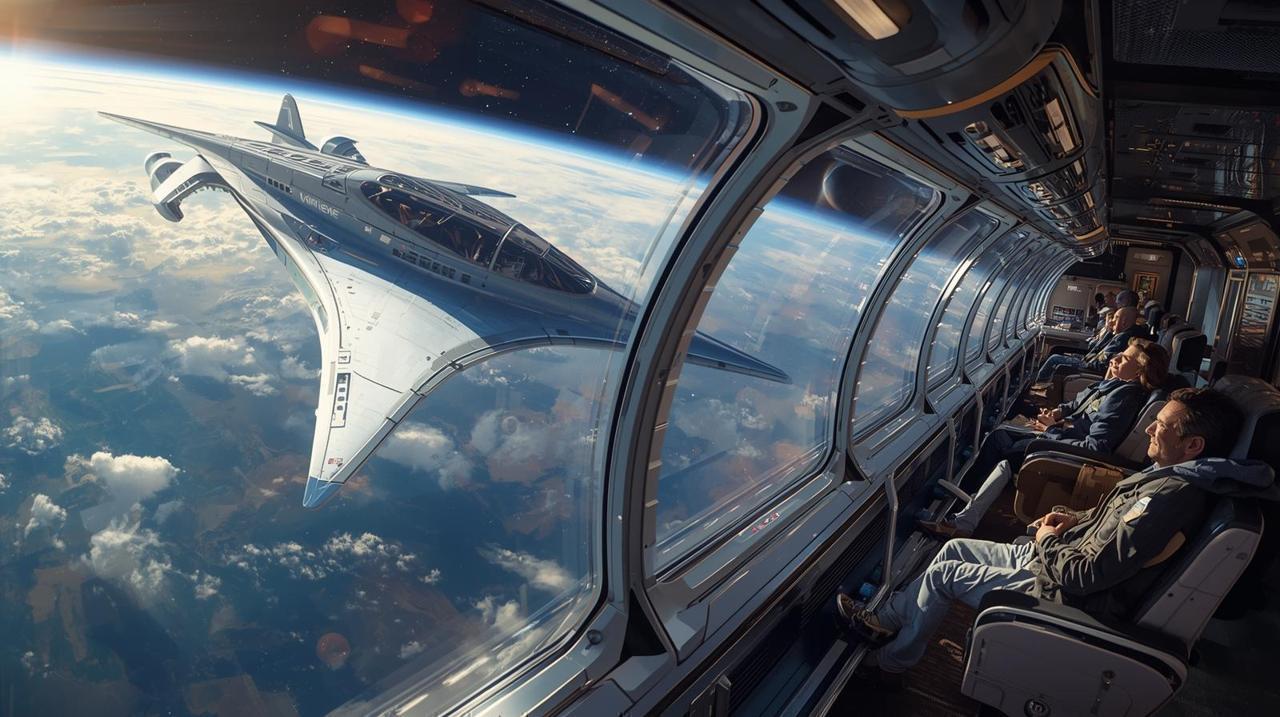
As costs decline, space tourism could expand to include luxury travel packages, orbital hotels, and even specialized adventure tourism agencies.

Which Country Will Lead?

The race for space tourism leadership is intensifying, with several countries positioning themselves as pioneers:

  • United States: Currently leading with companies like SpaceX, Blue Origin, and Virgin Galactic. Strong private sector innovation and NASA partnerships give the U.S. a dominant role.
  • China: Rapidly expanding its space program, with ambitions for commercial space stations and lunar exploration. Likely to emerge as a strong competitor by 2030.
  • United Arab Emirates: Investing heavily in space infrastructure and tourism, aiming to position itself as a hub for space travel in the Middle East.
  • Europe (ESA and private firms): Developing partnerships and technology, though progress is slower compared to the U.S. and China.
  • Japan: With companies like ispace and JAXA collaborations, Japan could play a niche role in lunar tourism and technology-driven missions.

Outlook for 2030

By 2030, space tourism will transition from experimental to semi-mainstream luxury travel. Suborbital flights may become relatively common, orbital hotels could host extended stays, and lunar flybys may be available for the ultra-wealthy. The U.S. is likely to maintain leadership, but China and the UAE will challenge its dominance with ambitious programs and competitive pricing.

Space tourism will not only redefine luxury travel but also accelerate innovation in aerospace, sustainability, and global collaboration, shaping the future of human exploration beyond Earth.

Oct. 2, 2025 12:27 p.m. 1021

#SpaceTourism #FutureOfTravel #SpaceExploration #SpaceTravel #BeyondEarth

European Military Forces Deploy to Greenland Amid Trump’s Push for Island
Jan. 15, 2026 5:43 p.m.
European troops arrive in Greenland to strengthen defense as Trump pushes to acquire the island, raising tensions over Arctic security and NATO alliances.
Read More
SpaceX Capsule Safely Returns to Earth After Emergency Mission With Sick Astronaut
Jan. 15, 2026 5:17 p.m.
SpaceX Crew Dragon Makes Emergency Splashdown Off California
Read More
European Forces Move Into Greenland as U.S. Push to Control the Island Continues
Jan. 15, 2026 4:14 p.m.
European military teams arrive in Greenland as Denmark and allies respond to U.S. pressure, with Trump insisting the island is vital for security
Read More
South Korea Watches U.S. Chip Tariffs Closely to Protect Its Semiconductor Industry
Jan. 15, 2026 2:28 p.m.
South Korea says it will closely track U.S. tariffs on AI chips to reduce risks for local firms as concerns grow over possible wider trade actions.
Read More
Boeing Reaches Tentative Settlements in 737 MAX Crash Lawsuits
Jan. 15, 2026 1:45 p.m.
Boeing has reached tentative settlements with a Canadian man who lost six family members in the 2019 Ethiopian Airlines 737 MAX crash
Read More
Trump Says Zelenskiy, Not Putin, is Holding Up Ukraine Peace Talks
Jan. 15, 2026 12:51 p.m.
Trump says Zelenskiy is slowing Ukraine peace talks, claiming Putin is ready, differing from European allies’ view on Moscow’s intentions
Read More
Taiwan Signals Potential Tariff Agreement with US to Reduce Export Duties
Jan. 15, 2026 12:01 p.m.
Taiwan and the US are close to a tariff deal, aiming to cut export duties and strengthen ties in semiconductors and the global AI supply chain
Read More
Cracked Aircraft Part Raises New Questions in Deadly UPS Cargo Plane Crash
Jan. 15, 2026 11:05 a.m.
A cracked part found in a fatal UPS MD-11 crash was flagged by Boeing in 2011, raising serious questions about inspections, fatigue cracks, and flight safety
Read More
How War Has Transformed Europe’s Defence Industry
Jan. 15, 2026 10:02 a.m.
Europe’s defence industry has changed since the Ukraine war, with higher military spending, rising arms companies, and new security priorities
Read More
Sponsored

Trending News










