Post by : Amit
Photo : X / Goodable
A Sustainable Leap for Spain’s Rail Network
Spain is preparing to take a significant step toward greener rail transport by planning to introduce battery and hydrogen traction trains on six of its currently non-electrified rail lines. This ambitious project aims to reduce carbon emissions, improve energy efficiency, and modernize rural and regional transport options without the costly infrastructure upgrades of full electrification.
With growing global pressure to decarbonize transport, Spain’s rail sector is embracing innovative propulsion technologies that promise zero-emission operation while maintaining reliable service across less densely trafficked routes. This project, backed by government authorities and rail operators, reflects Spain’s commitment to align with the European Union’s ambitious climate targets and the transition to sustainable mobility.
The Challenge of Non-Electrified Lines
Non-electrified rail corridors present a persistent challenge for rail operators worldwide. Traditionally served by diesel locomotives or diesel multiple units, these lines contribute disproportionately to greenhouse gas emissions relative to electrified routes. Electrifying entire rail networks requires substantial capital investment, long construction periods, and often disrupts existing services.
Spain’s non-electrified lines, many of which serve rural or regional communities, have lagged behind in modernization compared to high-speed and electrified networks that connect major cities like Madrid and Barcelona. Given the country’s diverse topography and economic considerations, a full electrification rollout is neither financially nor logistically viable in the near term for these lines.
Battery and Hydrogen: The Dual-Technology Approach
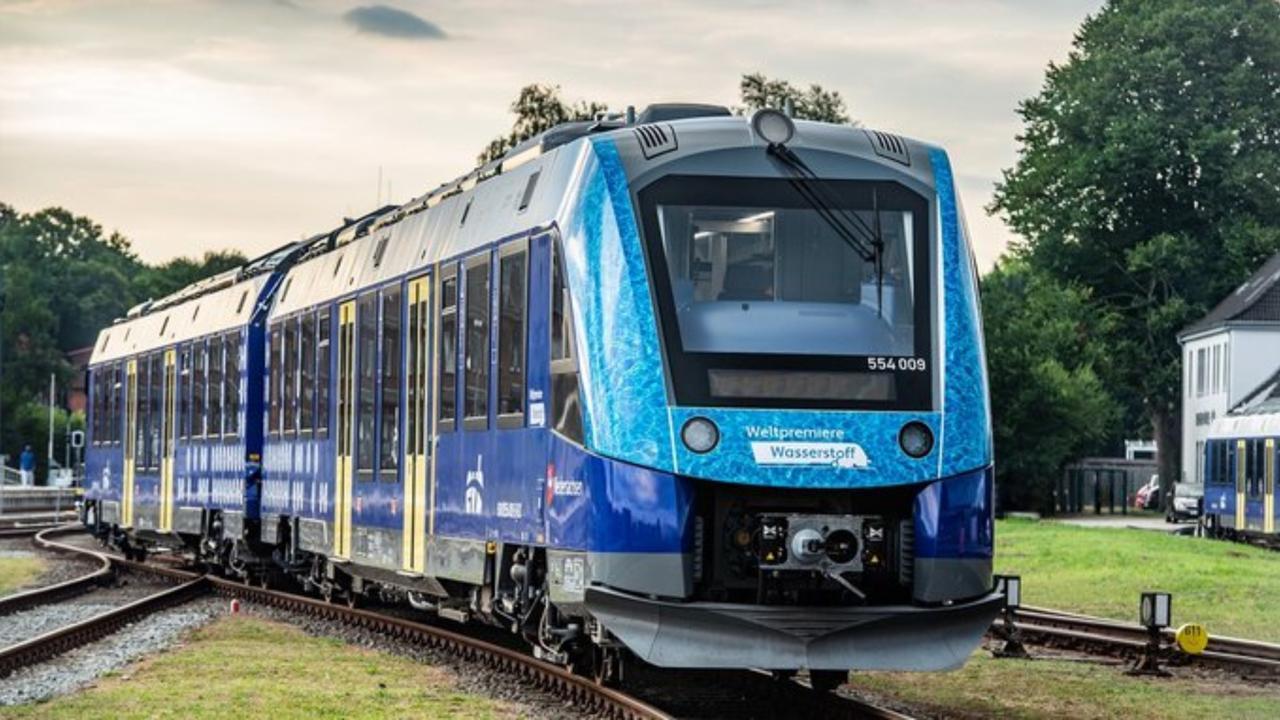
The decision to adopt both battery and hydrogen traction technology offers operational flexibility and technological redundancy. Battery-electric trains can operate on routes with partial electrification or shorter distances, charging on electrified sections or at dedicated charging points. Hydrogen trains, on the other hand, utilize fuel cells to convert hydrogen into electricity, providing longer ranges without emissions other than water vapor.
By leveraging both technologies, Spain can tailor solutions according to the specific needs of each line—distance, passenger volume, and infrastructure availability. This dual approach is particularly well-suited for the country’s regional rail network, where service patterns and line lengths vary considerably.
Six Target Lines Identified
Spanish rail authorities have pinpointed six lines that are set to benefit from this green transformation. These include a mix of rural branch lines and regional corridors that currently depend heavily on diesel traction. Each line was selected based on strategic factors such as passenger demand, operational feasibility, and potential environmental impact.
While detailed rollout plans are still being finalized, the initiative represents a pilot phase that could eventually expand to cover more routes as technologies mature and costs decrease. Stakeholders anticipate the project will demonstrate operational reliability and public acceptance of new traction types in everyday rail service.
Environmental Benefits and Climate Goals
The environmental case for replacing diesel trains with battery and hydrogen-powered alternatives is compelling. Diesel locomotives emit nitrogen oxides, particulate matter, and significant amounts of CO2. Switching to clean energy propulsion could cut emissions by up to 90% on these lines, according to preliminary assessments by Spain’s Ministry of Transport.
These measures support Spain’s National Energy and Climate Plan, which aims to reduce greenhouse gas emissions in the transport sector by 55% by 2030, and achieve climate neutrality by 2050. The rail sector, as one of the most energy-efficient modes of mass transport, plays a critical role in meeting these targets.
Economic and Social Impact
Beyond environmental benefits, modernizing these lines with cleaner trains will boost regional connectivity, promote tourism, and support local economies. Improved rail services can provide rural communities better access to urban centers, health care, education, and employment opportunities, reducing social disparities.
The project is expected to create jobs in manufacturing, maintenance, and infrastructure development, stimulating Spain’s industrial and technology sectors. The focus on battery and hydrogen train technology also aligns with EU industrial policies that prioritize innovation and green growth.
Technology Suppliers and Partnerships
Spain’s Ministry of Transport is collaborating with major European rolling stock manufacturers and technology providers specializing in battery and hydrogen propulsion systems. Companies such as CAF (Construcciones y Auxiliar de Ferrocarriles), Siemens Mobility, and Alstom have all expressed interest or are already involved in trials of these technologies elsewhere in Europe.
In addition, partnerships with energy companies are being forged to ensure a stable supply of green hydrogen produced from renewable sources like wind and solar power, which are abundant in Spain. This integrated approach ensures that the entire lifecycle of the new trains remains carbon-neutral.
Infrastructure Adaptations and Challenges
While battery and hydrogen trains require less infrastructure investment than electrification, some adaptations are still necessary. Charging stations for battery trains must be installed at key locations, requiring grid upgrades and energy management systems to handle demand. Hydrogen refueling stations need to be constructed with high safety standards, including secure storage and handling of compressed hydrogen.
Additionally, staff training on new technologies and maintenance procedures will be critical for smooth operations. Maintenance depots will require upgrades to handle battery packs and fuel cell systems safely and efficiently. The government is allocating funding for workforce training and safety programs as part of the overall project.
Pilot Projects and Timelines
Several pilot programs are already underway in other parts of Europe, serving as valuable case studies for Spain’s plans. For example, Germany and the UK have launched hydrogen train services on rural routes, while battery trains have been trialed successfully in the Netherlands and France. These initiatives demonstrate feasibility, reliability, and passenger acceptance.
Spain plans to launch its first battery and hydrogen services on select lines within the next three to five years. Initial deployments will focus on less complex routes to fine-tune operational procedures and infrastructure before scaling up. Lessons learned will inform future procurement and expansion decisions.
Aligning with EU Green Deal and Funding Opportunities
Spain’s project is well-aligned with the European Green Deal, which encourages member states to reduce emissions and promote clean energy solutions. EU funding mechanisms such as the Connecting Europe Facility (CEF) and Horizon Europe programs offer significant financial support for sustainable transport projects.
By demonstrating commitment to battery and hydrogen traction, Spain positions itself to attract EU grants and private investment to accelerate the transition. This also helps to boost Spain’s competitiveness in the emerging global market for green rail technologies.
Public and Political Support
The initiative has garnered strong support from regional governments, environmental organizations, and the public, many of whom see it as a vital step in reducing pollution and modernizing public transport. Politicians have emphasized the dual benefits of environmental protection and economic revitalization for less urbanized regions.
Public awareness campaigns are underway to educate citizens about the advantages of battery and hydrogen trains, highlighting their quiet operation, zero local emissions, and contribution to cleaner air. Early surveys indicate high acceptance and enthusiasm among frequent rail users.
Future Prospects and Expansion Plans
Looking beyond the initial six lines, Spanish rail authorities envision a gradual phase-out of diesel traction on all non-electrified routes. The success of battery and hydrogen trains on pilot corridors will pave the way for larger fleets and longer routes, including freight applications where suitable.
Innovations in battery capacity, hydrogen storage, and fuel cell efficiency are expected to improve range and reduce costs further, making the technologies competitive with electrification in more scenarios. Spain aims to be at the forefront of adopting these innovations within Europe, supporting its green mobility goals and industrial base.
Global Implications and Leadership
Spain’s move reflects a broader international trend towards alternative rail traction technologies as countries seek to decarbonize transport. By actively investing in battery and hydrogen trains, Spain is joining a global community of innovators driving the future of sustainable rail.
This leadership can help Spanish manufacturers and technology firms compete for export opportunities as other countries adopt similar solutions. Moreover, Spain’s experience will contribute valuable data and operational knowledge to the global effort of replacing diesel trains with zero-emission alternatives.
A New Era for Spanish Rail
The plan to introduce battery and hydrogen traction trains on six non-electrified lines is a bold and forward-thinking initiative. It demonstrates Spain’s commitment to sustainable mobility, technological innovation, and social equity in regional transport.
While challenges remain in infrastructure adaptation, financing, and operational transition, the project offers a blueprint for reducing emissions without compromising service quality. As these new trains start rolling on Spain’s rails, they will symbolize a cleaner, quieter, and more connected future for communities and ecosystems across the country.
Spain’s example may well inspire other nations with extensive non-electrified networks to follow suit—ushering in a new chapter of green rail transportation worldwide.
Battery-powered trains Spain, Hydrogen trains Spain



Advances in Aerospace Technology and Commercial Aviation Recovery
Insights into breakthrough aerospace technologies and commercial aviation’s recovery amid 2025 chall

Defense Modernization and Strategic Spending Trends
Explore key trends in global defense modernization and strategic military spending shaping 2025 secu

Tens of Thousands Protest in Serbia on Anniversary of Deadly Roof Collapse
Tens of thousands in Novi Sad mark a year since a deadly station roof collapse that killed 16, prote

Canada PM Carney Apologizes to Trump Over Controversial Reagan Anti-Tariff Ad
Canadian PM Mark Carney apologized to President Trump over an Ontario anti-tariff ad quoting Reagan,

The ad that stirred a hornets nest, and made Canadian PM Carney say sorry to Trump
Canadian PM Mark Carney apologizes to US President Trump after a tariff-related ad causes diplomatic

Bengaluru-Mumbai Superfast Train Approved After 30-Year Wait
Railways approves new superfast train connecting Bengaluru and Mumbai, ending a 30-year demand, easi




