Post by : Amit
Photo: Linkdin / SpiceJet Limited
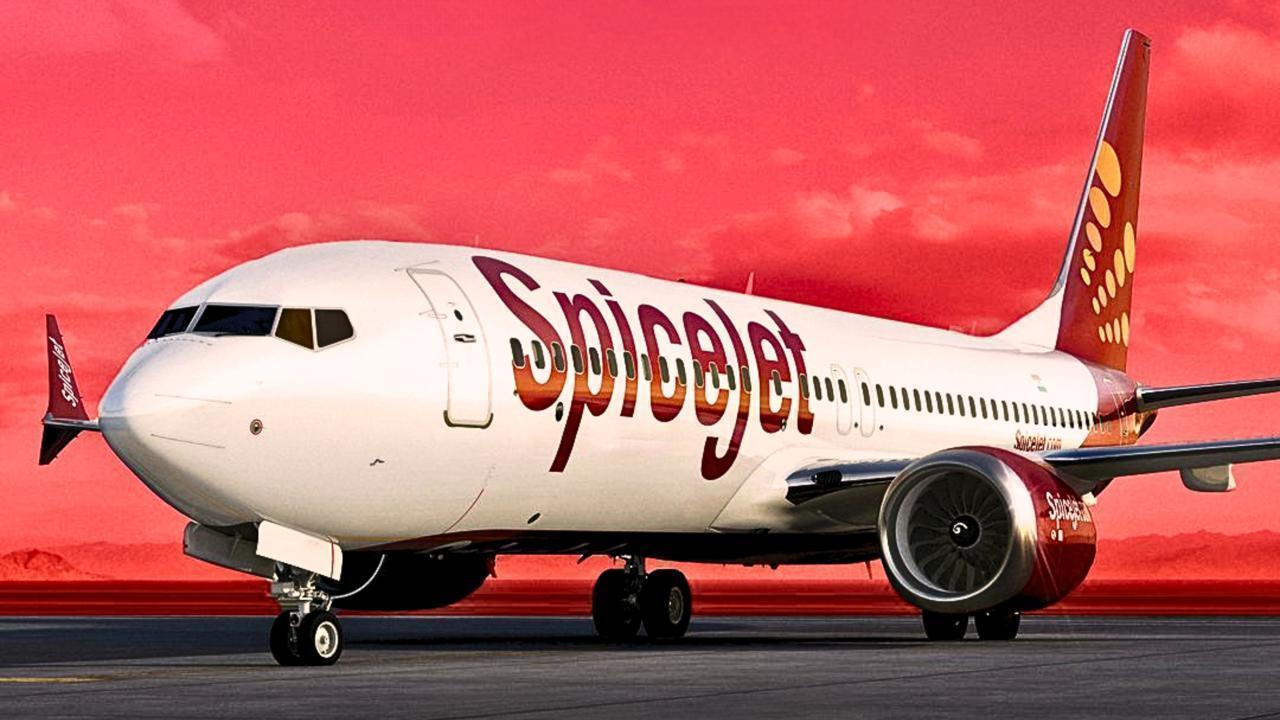
Amid the turbulence that has rocked India’s aviation sector in recent months, SpiceJet, one of the country’s oldest private low-cost carriers, has finally caught a much-needed tailwind. After grappling with months of financial strain, grounded aircraft, and mounting operational woes, the airline has received its first two overhauled engines—a development that has allowed it to bring another Boeing 737 Next-Generation (NG) aircraft back into active service.
Though modest on the surface, this move carries enormous symbolic weight for the embattled airline as it fights to regain stability and relevance in India’s fiercely competitive skies. For an airline that once soared as one of the fastest-growing players in the low-cost segment, the sight of another aircraft taking off represents not just restored capacity—but renewed hope.
A Struggling Carrier Trying to Fly Again
The installation of these refurbished engines, provided by the airline’s key maintenance partners, is part of a broader effort by SpiceJet’s leadership to pull the airline back from the brink. Over the past year, the airline has been forced to ground several aircraft—primarily its aging fleet of Boeing 737 NGs—due to severe shortages of engines and spare parts, compounded by global supply chain disruptions.
The consequences were swift and painful. The airline slashed flight services, ceded market share to stronger rivals, and faced increasing scrutiny from aviation regulators. As passenger traffic in India rebounded sharply post-pandemic, SpiceJet struggled to keep pace. Where competitors like IndiGo and the Tata Group-backed Air India expanded aggressively, SpiceJet was instead trimming routes and shrinking its presence in key markets.
But the arrival of these overhauled engines—and the ungrounding of yet another aircraft—signals the airline’s refusal to be counted out.
Technical Fix or Turning Point?
Industry insiders see the move as more than just a technical milestone. It marks the beginning of SpiceJet’s slow and steady return to operational viability.
The refurbished engines will immediately bolster the airline’s fleet readiness, allowing it to tap into the current surge in both domestic and international air travel demand. With the summer travel season in full swing and millions of Indians taking to the skies, the additional aircraft will enable SpiceJet to increase flight frequencies, boost load factors, and improve revenue streams.
For an airline that has been cash-strapped and operationally constrained, every additional aircraft in the air counts. The ungrounding is also expected to help restore passenger and investor confidence, both of which have taken a hit amid SpiceJet’s prolonged challenges.
The Road to Recovery Remains Steep
However, aviation experts caution that while this is a welcome development, it is merely the first step on a long and difficult journey. Bringing a few planes back into service may help the airline meet immediate demand, but the deeper structural problems remain unresolved.
“Fleet restoration is essential,” said an aviation analyst familiar with SpiceJet’s situation, “but unless the airline strengthens its financial position, ensures a reliable supply of spare parts, and maintains strict on-time performance, this could end up as a temporary relief rather than a long-term solution.”
SpiceJet’s challenges run deep. The airline has been battling liquidity crunches for years, further strained by pandemic-era losses, rising fuel costs, and fierce fare wars that have squeezed margins across India’s aviation industry. Several aircraft have been grounded not only for technical reasons but also because of cash flow constraints that have hampered maintenance schedules.
The global shortage of engines—particularly for Boeing 737 NGs and newer models—has only added to the airline’s woes. Manufacturers and maintenance partners worldwide are facing production delays and supply chain bottlenecks, making it difficult for airlines to secure engines quickly, regardless of intent or budget.
Resilience Amidst Adversity
Yet through it all, SpiceJet has remained defiant. Its leadership has consistently emphasized its intention to stay in the game, pushing forward with fleet recovery plans, exploring strategic partnerships, and evaluating new financing avenues.
According to sources, the airline is also considering a fleet modernization strategy to gradually phase out older aircraft in favor of more fuel-efficient and maintenance-friendly models. This could eventually reduce the airline’s exposure to engine shortages and improve its overall cost structure.
In parallel, SpiceJet is working to improve operational performance—including better on-time performance, enhanced customer service, and targeted route expansions designed to capture profitable segments without overextending its limited resources.
Market Pressures and Competitive Landscape
The timing could not be more critical. India’s aviation market is booming, with domestic passenger numbers already exceeding pre-pandemic levels and international travel witnessing a sharp uptick. New entrants like Akasa Air are shaking up the low-cost segment, while IndiGo’s commanding market share and Air India’s newfound aggression under Tata ownership are further intensifying competition.
In this high-stakes environment, fleet readiness is everything. Airlines that can scale operations quickly are reaping the rewards, while those with grounded aircraft risk being left behind.
For passengers, SpiceJet’s move could translate into more flight options, better connectivity, and competitive fares—especially on busy domestic routes where the airline has historically been strong. For employees and stakeholders, the return of grounded aircraft brings a renewed sense of hope and job security in what has been a tumultuous period.
Despite the optimism surrounding the ungrounding of the Boeing 737 NG, industry observers stress that SpiceJet’s ultimate success will depend on long-term financial health and operational discipline. The airline must rebuild trust not only with passengers but also with suppliers, investors, and regulators—each of whom plays a vital role in its ongoing survival.
challenges still lie ahead:
To its credit, SpiceJet has proven its resilience before. The airline has weathered previous downturns, financial crises, and market shake-ups. But the current environment—marked by heightened competition, unforgiving consumers, and fragile global supply chains—demands more than resilience. It demands innovation, discipline, and strategic clarity.
A Symbol of Survival
As the overhauled engines roar back to life and SpiceJet’s Boeing 737 NG once again takes to the skies, it carries with it the collective hopes of an airline unwilling to fade quietly. For SpiceJet, every flight is now symbolic—not just of operational recovery but of the determination to rewrite its narrative in the fast-changing world of Indian aviation.
The coming months will be decisive. The airline’s leadership must balance short-term fixes with long-term vision, ensuring that each small victory contributes to sustainable growth rather than temporary survival.
And while the skies may still hold challenges, for now, the sight of a once-grounded SpiceJet aircraft climbing into the Indian horizon offers a much-needed glimpse of possibility.
Boeing aircraft, Aviation



Advances in Aerospace Technology and Commercial Aviation Recovery
Insights into breakthrough aerospace technologies and commercial aviation’s recovery amid 2025 chall

Defense Modernization and Strategic Spending Trends
Explore key trends in global defense modernization and strategic military spending shaping 2025 secu

Tens of Thousands Protest in Serbia on Anniversary of Deadly Roof Collapse
Tens of thousands in Novi Sad mark a year since a deadly station roof collapse that killed 16, prote

Canada PM Carney Apologizes to Trump Over Controversial Reagan Anti-Tariff Ad
Canadian PM Mark Carney apologized to President Trump over an Ontario anti-tariff ad quoting Reagan,

The ad that stirred a hornets nest, and made Canadian PM Carney say sorry to Trump
Canadian PM Mark Carney apologizes to US President Trump after a tariff-related ad causes diplomatic

Bengaluru-Mumbai Superfast Train Approved After 30-Year Wait
Railways approves new superfast train connecting Bengaluru and Mumbai, ending a 30-year demand, easi




