Post by : Amit
Photo : X / Autocar Professional
A Digital Identity for Every EV Battery, from Mine to Recycler
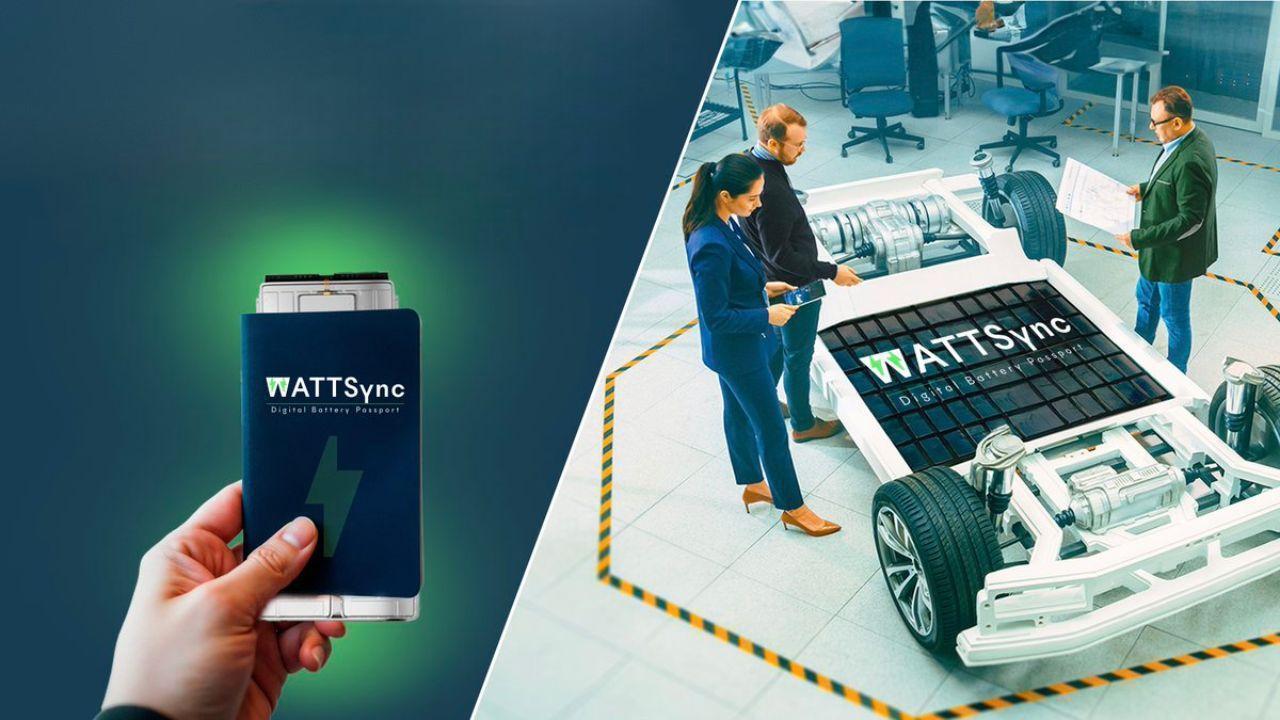
Tata Technologies has unveiled WATTSync, a digital battery passport solution designed to ensure transparency, trust, and circularity in electric vehicle (EV) supply chains. Billed as a “single digital truth”, WATTSync tracks each battery’s journey from raw materials to recycling, helping OEMs, manufacturers, and regulators comply with evolving rules like the EU’s 2027 battery passport mandate. By integrating AI, blockchain, and enterprise systems, Tata’s solution represents a leap forward in battery lifecycle management—and positions India at the forefront of sustainable mobility solutions.
Tracing Every Battery’s Story
Modern batteries are complex—packed with layers of materials, thousands of data points, and governed by regulations across borders. WATTSync addresses this by stitching together the entire battery lifecycle digitally. It integrates enterprise systems like product lifecycle management, manufacturing execution, and cloud data lakes. The platform logs material origin, performance metrics, carbon footprint, and end-of-life status, all in one transparent digital thread that can be accessed securely by stakeholders at every step.
Why Now? Regulatory Momentum and Sustainability Pressure
Regulations are pressing. Beginning in February 2027, the EU will require digital battery passports for every EV and industrial battery sold. India, too, is developing a similar framework to future-proof exports and boost traceability. Amid global pressure to reduce carbon footprints, ensure ethical sourcing, and support recycling, WATTSync offers OEMs both compliance readiness and strategic green credentials—especially valuable in an age when sustainability is becoming a competitive differentiator.
Foundation Built with AI and Blockchain
What makes WATTSync powerful is its technological backbone. AI monitors battery health, identifies anomalies before they become issues, and generates predictive insights for maintenance and recycling. Meanwhile, blockchain records secure, tamper-proof data, building trust and auditability. The result is a futuristic, robust platform where EV makers can trust the data is intact and reliable—even when traced across continents and decades.
Modular, Cloud-Agnostic, and Globally Ready
One standout feature of WATTSync is its deployment flexibility. As a cloud-agnostic SaaS platform, it adapts to any infrastructure environment—public, private, hybrid—making adoption faster and less costly. OEMs can integrate only the necessary modules or adopt the full stack, tailoring the implementation to their systems and scale. This modularity means the solution can fit both single plants and multinational manufacturers, serving diverse regulations and business models.
Advancing Circularity and Value Creation
Digital battery passports offer more than compliance—they fuel circular economy strategies. WATTSync empowers companies to track recyclability, second-life usage, and resource recovery. By understanding battery histories, designers can refine materials to improve lifecycle performance. Recyclers can assess reuse potential quickly. Investors can verify ethical sourcing. All these outcomes turn sustainable mobility aspirations into tangible, circular value.
Building Trust Across the EV Ecosystem
Trust matters. Early adopters of battery passport systems have reported improved resale values and consumer confidence. WATTSync’s role in securing every lifecycle data point strengthens transparency in a sector wary of “blind” reuse or unethical mining. OEMs equipped with such systems can claim traceability credentials, reassuring customers, investors, and regulators that their technology upholds both quality and sustainability standards globally.
Tata Technologies’ Global Engineering Strength
While WATTSync is deeply anchored in Indian innovation, its engineering spans India, the UK, Sweden, and China. Tata deployed cross-functional teams—powertrain, vehicle connectivity, cybersecurity—to ensure the platform is not only comprehensive, but future-ready. Companies like Agratas and Jaguar Land Rover have already piloted WATTSync, testing real-time diagnostics and predictive analytics that enhance user satisfaction and protect brand reputation.
A Glance at Global Market Impacts
As OEMs and regulators grapple with a patchwork of battery rules—from EU to California, China, and India—WATTSyncemerges as a global bridge. It aligns with accelerated regulations while embedding sustainability and intelligence into battery design. The result: faster audit readiness, verified sourcing, stronger recycling paths, and digital-first solutions that scale across markets.
What Stakeholders Are Saying
Industry insiders describe WATTSync as timely and strategic. Analysts note that the shift toward battery passports mirrors earlier traceability demands in food and pharmaceutical supply chains, but with far higher technical stakes. By preemptively building compliant infrastructure, Tata Technologies has given EV makers an immediate path to global market entry without regulatory friction.
The Identity That Batteries Deserve
In an electric circuit, anonymity doesn’t exist. Batteries power cars, store energy, and shape future mobility—but their journey is often opaque until disposal. WATTSync changes that by giving every battery a digital identity that lasts from creation to recycling. It’s not just a tech innovation—it’s a tool for trust, transformation, and the sustainable engineering of tomorrow.
WATTSync battery passport, Digital battery passport, Tata Technologies EV compliance



Advances in Aerospace Technology and Commercial Aviation Recovery
Insights into breakthrough aerospace technologies and commercial aviation’s recovery amid 2025 chall

Defense Modernization and Strategic Spending Trends
Explore key trends in global defense modernization and strategic military spending shaping 2025 secu

Tens of Thousands Protest in Serbia on Anniversary of Deadly Roof Collapse
Tens of thousands in Novi Sad mark a year since a deadly station roof collapse that killed 16, prote

Canada PM Carney Apologizes to Trump Over Controversial Reagan Anti-Tariff Ad
Canadian PM Mark Carney apologized to President Trump over an Ontario anti-tariff ad quoting Reagan,

The ad that stirred a hornets nest, and made Canadian PM Carney say sorry to Trump
Canadian PM Mark Carney apologizes to US President Trump after a tariff-related ad causes diplomatic

Bengaluru-Mumbai Superfast Train Approved After 30-Year Wait
Railways approves new superfast train connecting Bengaluru and Mumbai, ending a 30-year demand, easi




