Post by : Amit
From autonomous vehicles to anti-AI music protests, this week’s developments in the world of Artificial Intelligence (AI) underline how rapidly and deeply the technology is transforming everyday life — while also sparking fierce debates about its ethical use.
In what has been a week packed with futuristic visions and bold pushbacks, Tesla’s robotaxi launch date, Deezer’s crackdown on AI-generated songs, and India’s growing push for AI innovation have all made headlines.
Here’s a deep dive into the most important AI stories shaping technology, business, and culture this week:
Tesla CEO Elon Musk has once again ignited buzz in the tech and mobility sectors by announcing that the company will officially reveal its highly anticipated Robotaxi vehicle on August 8, 2025.
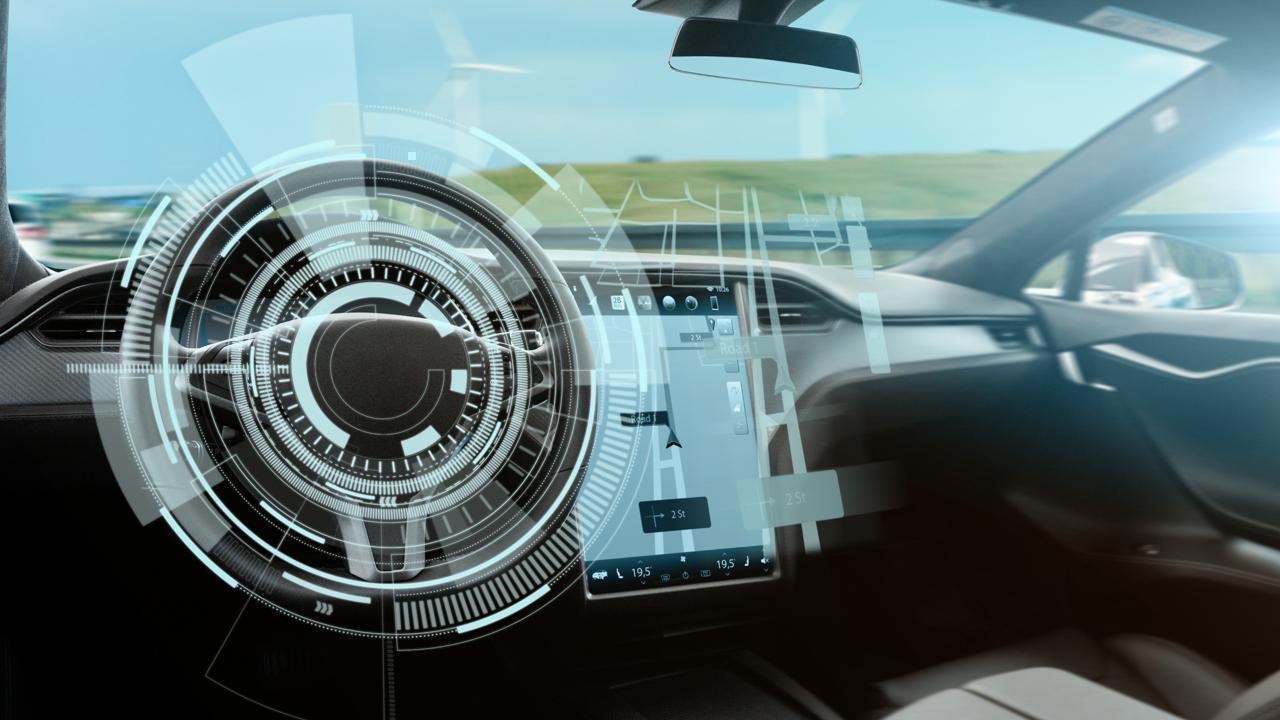
This isn’t just a new product — it could redefine the future of urban mobility. Tesla’s robotaxi is expected to be a fully driverless, electric vehicle powered by the company's proprietary AI-based Full Self-Driving (FSD) software.
Musk has long claimed that Tesla vehicles are built to be autonomous, and this dedicated robotaxi could finally show what a Level 4 or Level 5 autonomous future might look like. The car will reportedly not have a steering wheel or pedals, relying entirely on AI and onboard sensors.
If successful, it could challenge ride-hailing giants like Uber and Lyft, revolutionize public transport, and even change urban design norms. However, regulatory hurdles and safety concerns remain major obstacles before such vehicles become mainstream.
While some companies are rushing to embrace AI, others are pumping the brakes. French music streaming platform Deezer has launched a bold new initiative to identify and limit AI-generated content, in response to growing backlash from artists and listeners alike.
The move comes amid a surge in AI-generated songs that mimic real artists — sometimes so convincingly that they fool even seasoned fans. Deezer’s new system will attempt to detect, tag, and potentially remove songs created using generative AI tools, especially those that mimic the voices or styles of real human artists without consent.
This development taps into a broader cultural and ethical debate: Should AI be allowed to “clone” music? While some see it as creative exploration, many musicians argue it threatens originality, livelihoods, and artistic integrity.
On the policy front, India is accelerating its AI-driven transformation with a series of strategic initiatives across key sectors such as education, agriculture, and governance. Recent efforts include the deployment of AI tools for predictive crop planning and weather-based advisories to support farmers, pilot programs introducing AI tutors and digital assistants in rural classrooms, and the integration of AI into public grievance redressal and citizen service platforms to enhance efficiency and responsiveness. Backed by a young, digitally literate population and a rapidly growing startup ecosystem, India is positioning itself as a global hub for AI innovation—particularly geared toward the needs of the developing world.
This momentum is further strengthened by robust public-private partnerships, where Indian unicorns and multinational corporations are collaborating with government ministries to develop scalable, ethical, and inclusive AI solutions aimed at long-term national impact.
The global tech landscape is rapidly evolving as major players double down on AI integration. Meta has announced plans to introduce AI copilots across its platforms—including Instagram, WhatsApp, and Messenger—empowering users to create content, draft messages, and receive intelligent suggestions in real time. Meanwhile, Nvidia has surged to become the world’s most valuable company, highlighting the critical role of AI chips in powering the next generation of digital experiences.
In a move that could further mainstream AI, OpenAI and Apple have reportedly been in discussions to embed ChatGPT into future iOS updates, signaling a deeper integration of conversational AI into everyday consumer technology.
Whether it’s in your car, your music library, your classroom, or your government services — AI is no longer coming, it’s already here. But while the technology brings enormous promise, this week’s news reminds us that society must tread carefully.
From Tesla’s autonomous ambitions to Deezer’s defense of human creativity, the message is clear: the age of AI is as much about innovation as it is about ethics. And as AI becomes woven into every facet of life, the need for thoughtful regulation, inclusive development, and human oversight has never been greater.
Tesla, OpenAI



Advances in Aerospace Technology and Commercial Aviation Recovery
Insights into breakthrough aerospace technologies and commercial aviation’s recovery amid 2025 chall

Defense Modernization and Strategic Spending Trends
Explore key trends in global defense modernization and strategic military spending shaping 2025 secu

Tens of Thousands Protest in Serbia on Anniversary of Deadly Roof Collapse
Tens of thousands in Novi Sad mark a year since a deadly station roof collapse that killed 16, prote

Canada PM Carney Apologizes to Trump Over Controversial Reagan Anti-Tariff Ad
Canadian PM Mark Carney apologized to President Trump over an Ontario anti-tariff ad quoting Reagan,

The ad that stirred a hornets nest, and made Canadian PM Carney say sorry to Trump
Canadian PM Mark Carney apologizes to US President Trump after a tariff-related ad causes diplomatic

Bengaluru-Mumbai Superfast Train Approved After 30-Year Wait
Railways approves new superfast train connecting Bengaluru and Mumbai, ending a 30-year demand, easi




