Post by : Amit
Suburban Tokyo Becomes Ground Zero for V2G Experimentation
Toyota and Hitachi have jointly launched a cutting-edge Vehicle-to-Grid (V2G) pilot project in the outskirts of Tokyo. This collaborative trial aims to test how electric vehicles (EVs) can actively feed power back into the grid during periods of high electricity demand—especially during Japan’s increasingly intense summer heatwaves.
The initiative, set in Tama and Hino districts, focuses on installing bi-directional charging infrastructure that allows EVs to not only draw electricity but also return surplus energy to the grid. Both residential and commercial fleets are involved, with energy usage monitored in real-time through a cloud-based platform co-developed by Hitachi Energy and Toyota’s Connected Company division.
The goal is clear: reduce peak load stress on Japan’s power system, particularly in heat-intensive months when air conditioning use surges. If successful, the trial could form the blueprint for future nationwide V2G rollouts—positioning EVs as mobile energy assets in Japan’s transition to a smarter, more resilient energy grid.
Bi-Directional Charging: The Heart of the V2G Pilot
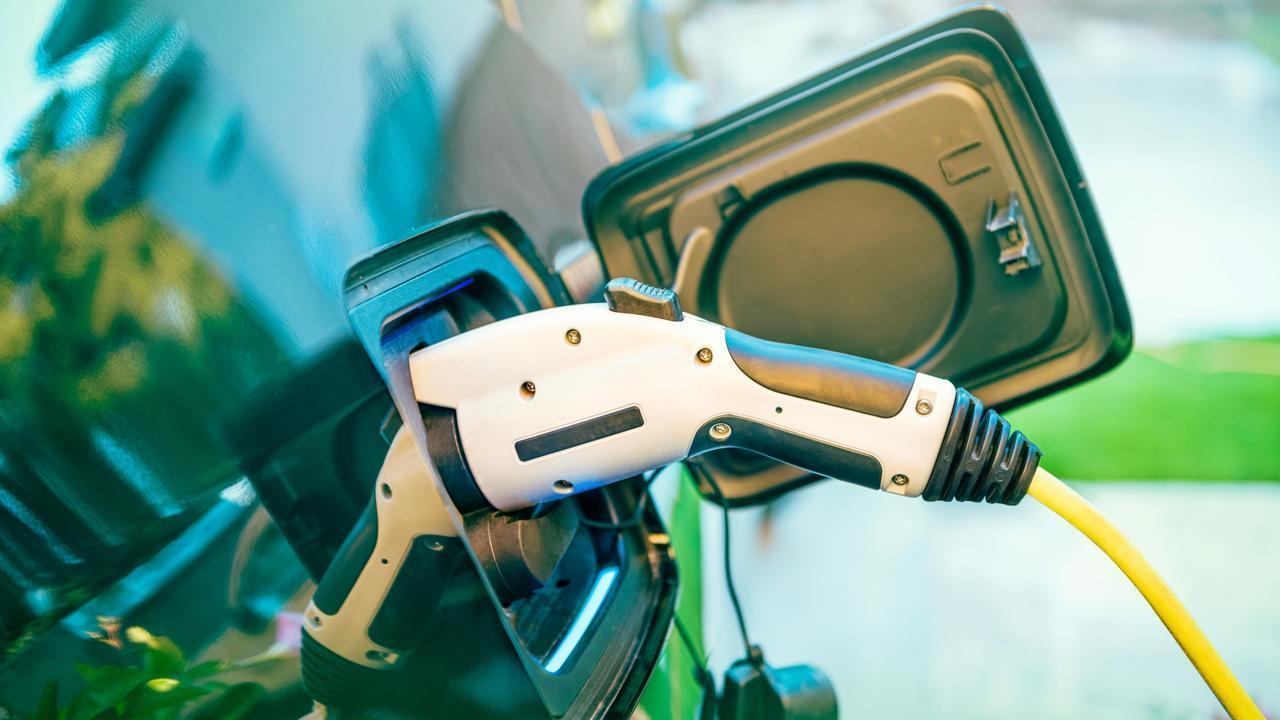
At the core of the project is bi-directional charging, a technology that enables energy to flow both into and out of EV batteries. These specially designed chargers—currently being installed at designated community hubs, homes, and selected company parking lots—allow EVs to discharge stored energy back into the grid when electricity demand spikes.
The V2G-enabled EVs used in the pilot include Toyota’s bZ4X and several converted hydrogen-hybrid commercial vans fitted with DC-to-AC inverters. Hitachi provides the energy management systems that track and control power flows, drawing on advanced load-forecasting algorithms and weather data to optimize discharge timing.
During test simulations last month, EVs were able to feed between 7 and 12 kilowatt-hours back to the grid during Tokyo’s early July heatwave, easing pressure on local substations. While individually modest, this aggregated energy supply, if scaled, has the potential to support thousands of households and prevent brownouts during extreme conditions.
Solving Japan’s Peak Power Puzzle with Mobile Batteries
Japan faces chronic summer energy crunches due to its heavy reliance on air conditioning and the loss of nuclear capacity after the 2011 Fukushima disaster. The resurgence of demand in dense suburban areas like western Tokyo makes grid stability a pressing concern.
“EVs represent a huge untapped battery network,” said Hiroki Sato, executive director of Hitachi Energy Japan. “With smart coordination, they can act as temporary generators during peak demand—and this pilot lets us test that vision in a live environment.”
The Japanese Ministry of Economy, Trade and Industry (METI), which is backing the trial, sees V2G as a critical component in achieving its 2050 carbon neutrality goals. The ministry estimates that by 2030, more than 10 million EVs could be on Japanese roads—each with enough stored capacity to support 1–2 hours of residential electricity needs.
Toyota’s Strategic Shift: From Vehicles to Energy Platforms
For Toyota, the trial marks another step in its evolving strategy to pivot from being purely a carmaker to becoming a mobility and energy service provider. While the company was initially slow to embrace full electrification, it is now exploring integrated EV ecosystems—including energy storage, grid support, and home charging networks.
The company’s Smart City initiative in Woven City, also near Tokyo, is being designed with similar V2G and distributed energy principles. “This isn’t just about reducing energy use,” said Ayaka Tanaka, head of Toyota’s Energy Business Development. “It’s about building intelligent energy communities where cars, homes, and the grid talk to each other.”
Hitachi, meanwhile, brings its industrial-scale experience in grid management and digital infrastructure. The company has already deployed similar V2G models in Europe, particularly in the Netherlands and the UK, but this is its first major foray into suburban Japan.
Community Response and Behavioral Challenges
One of the key aspects being evaluated in the trial is user participation. Early tests reveal that homeowners are willing to allow limited energy discharge from their EVs if incentives are clearly defined and if they retain control over battery reserves.
Incentives under the pilot include lower electricity tariffs during off-peak hours, points in Toyota’s connected services ecosystem, and guaranteed battery life monitoring to assuage concerns over degradation.
Still, behavioral challenges remain. Drivers are understandably hesitant to participate if they fear having a depleted battery during unexpected trips. To counter this, the system incorporates predictive mobility tracking—analyzing driver habits to ensure vehicles are never discharged below a custom safety threshold.
“We’re learning how to build trust,” said Naoya Fukui, systems architect at Hitachi’s e-Mobility unit. “People must feel that the system works for them, not just the grid.”
Data-Driven Energy Coordination
A central data hub aggregates energy usage, EV battery status, and grid demand in real time. The AI engine processes terabytes of data daily, including temperature forecasts, commuter flow, and even event calendars that influence household energy use. This allows the system to discharge vehicles only when grid needs are high and the vehicle won’t be used imminently.
Interestingly, the pilot also tests microgrid islanding features—where a local cluster of homes and EVs can temporarily disconnect from the main grid and operate autonomously during power outages. These features could be critical in earthquake-prone regions like Japan.
Toward a Nationwide V2G Framework
The trial runs through March 2026, after which Toyota and Hitachi will present data to METI for consideration in Japan’s national energy roadmap. Several prefectures—including Aichi, Osaka, and Fukuoka—are already expressing interest in adapting the Tokyo pilot model.
A successful rollout would not only help reduce dependency on fossil fuel peaker plants but also encourage faster EV adoption by giving consumers a financial reason to plug in. If monetized effectively, V2G participation could provide up to ¥45,000 annually in savings or incentives per EV owner, according to METI’s projections.
A Smart Grid Powered by Cars
As climate change intensifies and urban energy demands surge, projects like this V2G pilot are becoming more than just technological novelties—they are policy necessities. By bridging mobility and energy, Toyota and Hitachi are showing how Japan can use its growing EV fleet to not just reduce emissions, but stabilize its power grid when it matters most.
With the pilot already demonstrating measurable benefits, and Japan facing another scorching summer, the eyes of the global smart mobility and energy community will be watching Tokyo’s suburbs closely. This is where the road to a truly connected energy future may begin.
Toyota, Hitachi, V2G Energy, Tokyo



Advances in Aerospace Technology and Commercial Aviation Recovery
Insights into breakthrough aerospace technologies and commercial aviation’s recovery amid 2025 chall

Defense Modernization and Strategic Spending Trends
Explore key trends in global defense modernization and strategic military spending shaping 2025 secu

Tens of Thousands Protest in Serbia on Anniversary of Deadly Roof Collapse
Tens of thousands in Novi Sad mark a year since a deadly station roof collapse that killed 16, prote

Canada PM Carney Apologizes to Trump Over Controversial Reagan Anti-Tariff Ad
Canadian PM Mark Carney apologized to President Trump over an Ontario anti-tariff ad quoting Reagan,

The ad that stirred a hornets nest, and made Canadian PM Carney say sorry to Trump
Canadian PM Mark Carney apologizes to US President Trump after a tariff-related ad causes diplomatic

Bengaluru-Mumbai Superfast Train Approved After 30-Year Wait
Railways approves new superfast train connecting Bengaluru and Mumbai, ending a 30-year demand, easi




