Post by : Amit
A Stark Warning from the Road Transport Minister
In a powerful wake-up call that cuts through political rhetoric and technical reports, India’s Union Minister for Road Transport and Highways, Nitin Gadkari, bluntly stated that the transport sector alone contributes nearly 40% of the country’s total pollution. Speaking during a high-profile public event, the Minister underscored an alarming truth that many already feel but few grasp in full: the very vehicles that drive India's economic momentum are also driving its climate and public health crises.
This candid acknowledgment from one of India’s most influential policymakers signals a critical turning point. It lays bare the scale of the problem and the urgency with which stakeholders—government, industry, and public—must act to usher in transformative change.
Green Mobility as a National Priority
For years, Nitin Gadkari has been a vocal proponent of clean mobility, consistently pushing for policies that reduce India's dependence on fossil fuels. Reaffirming this stance, he declared the government’s full support for a green mobility revolution, emphasizing the need for rapid adoption of electric vehicles (EVs), biofuels, green hydrogen, and public transportation infrastructure.
“The transport sector contributes nearly 40% to the country’s pollution. We must take this seriously and accelerate the adoption of clean fuels and technology,” Gadkari urged. His statement aligns with India’s international climate pledges under the Paris Agreement, and its ambitious goal to achieve net-zero emissions by 2070.
Road Traffic: The Largest Polluter in Urban India
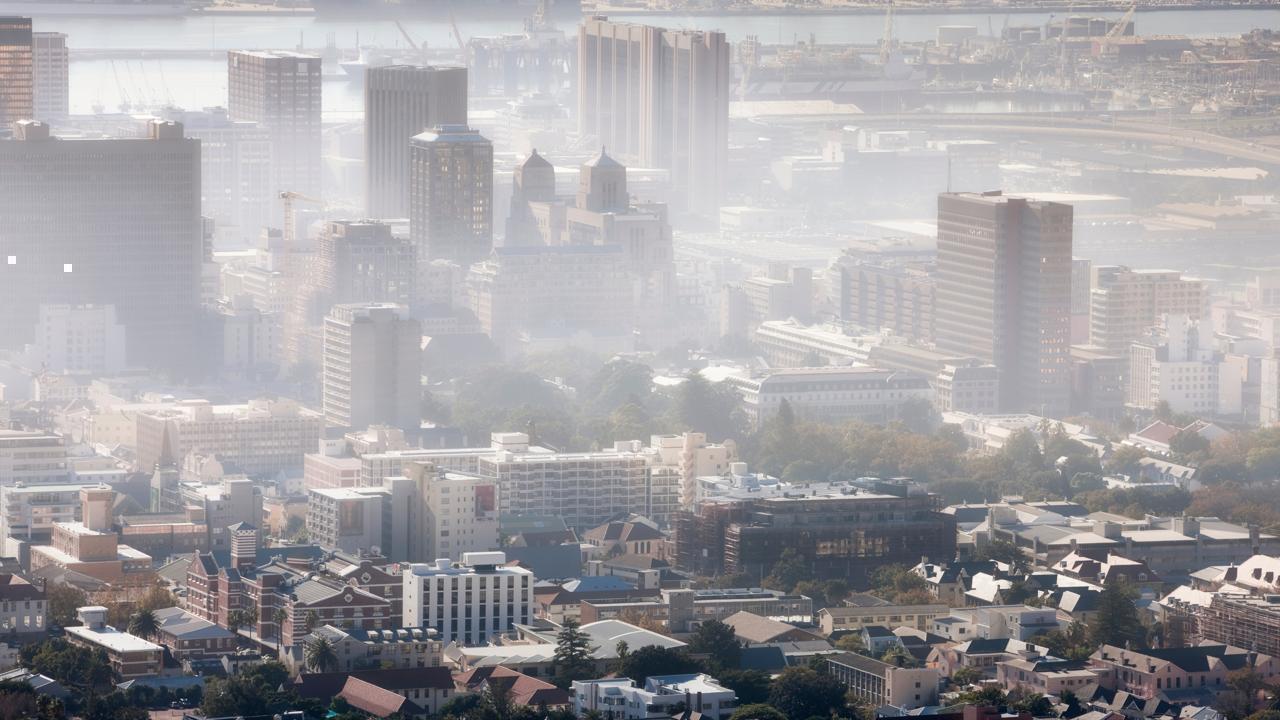
India’s most polluted cities—Delhi, Mumbai, Bengaluru, Kolkata, and others—share a common trait: overwhelming vehicular density. According to extensive studies conducted by the Central Pollution Control Board (CPCB) and The Energy and Resources Institute (TERI), emissions from petrol and diesel-powered vehicles are the largest contributors to urban air pollution.
Particulate matter (PM2.5 and PM10), nitrogen oxides, sulfur dioxide, and carbon monoxide from vehicle exhausts not only degrade air quality but also pose direct threats to human health. Gadkari’s claim that transport alone accounts for 40% of national pollution highlights the sector’s outsize contribution to India's deteriorating air and climate metrics.
Shifting Gears to Electric and Alternative Fuels
In response to this growing crisis, Gadkari laid out a clear roadmap: transition from internal combustion engines (ICE) to cleaner propulsion technologies. His emphasis rested on a mix of strategies:
Electric Vehicles (EVs):
With the FAME-II scheme, state-level subsidies, and policy push, India is targeting 30% electric vehicle adoption by 2030. Incentives for both OEMs and buyers are being deployed to stimulate demand.
Ethanol & Biofuels:
Promoting 20% ethanol blending in petrol, Gadkari highlighted the benefits of flex-fuel engines, capable of running on multiple green fuels.
Green Hydrogen:
Touted as the fuel of the future, green hydrogen is gaining traction for heavy-duty, long-haul, and industrial transport. Several pilot projects are already underway.
CNG & LNG as Transition Fuels:
Compressed and liquefied natural gas continue to play a key role in decarbonizing commercial freight and public transport in the short term.
Gadkari’s multi-pronged strategy addresses the technical and economic diversity of India’s transport needs while laying the groundwork for long-term decarbonization.
Building Infrastructure for Clean Mobility
Policy ambition means little without infrastructure—and here, too, the government is acting. Gadkari emphasized several key initiatives designed to make clean mobility accessible and scalable:
These measures are crafted not just to reduce emissions, but also to build a domestic green mobility industry capable of generating employment and technological leadership.
Empowering States and PPPs for Urban Transformation
Gadkari didn’t stop at central policy. He issued a call to action for state governments and municipalities to ramp up adoption of electric public transit, including e-buses, e-rickshaws, and non-motorized infrastructure.
He stressed that public-private partnerships (PPPs) will be vital to scale these efforts. Already, several State Transport Undertakings (STUs) are replacing diesel buses with electric and CNG variants, aided by central subsidies and concessional finance.
The Minister emphasized that urban transit planning must reduce private vehicle dependency. Better roads and flyovers are not enough—India needs clean, affordable, and reliable mass transit to meet both environmental and social equity goals.
Industry’s Role and the Innovation Imperative
India’s automotive sector is at the heart of the pollution problem—and the solution. Gadkari challenged OEMs and component manufacturers to take bold steps in innovation, fuel diversification, and design efficiency.
While industry leaders like Tata Motors, Mahindra Electric, Ashok Leyland, and Olectra Greentech have introduced electric models, challenges around battery cost, charging infrastructure, and consumer acceptance persist.
Gadkari’s message was clear: incremental progress will not suffice. Automakers must drive change at scale, not wait for subsidies or mandates. Investment in domestic battery production, modular electric platforms, and hybrid options will determine the pace and success of the clean mobility transition.
Pollution’s Hidden Cost: Health and Economy
The pollution crisis is not just environmental—it is deeply human and economic. With 14 of the world’s 20 most polluted cities located in India, studies have linked poor air quality to millions of premature deaths annually. From respiratory illness to cardiovascular disease, the health impact is staggering.
The economic cost is equally damaging: reduced productivity, rising healthcare burdens, infrastructure damage, and declining quality of life in major urban centers.
Gadkari’s remarks, therefore, are not just political positioning—they reflect an existential challenge. India’s development cannot continue on a fossil-fueled foundation.
The Time to Drive Change Is Now
As Union Minister Nitin Gadkari made plain, India’s transport sector stands at a dangerous tipping point. Contributing nearly 40% of national pollution, it can no longer operate on business-as-usual principles. Fortunately, the solutions exist—electric vehicles, biofuels, hydrogen, and smart public transit.
With growing public awareness, evolving technology, and robust policy support, India has an opportunity to redefine its mobility model for the 21st century. The question is not what we can do—it’s whether we will do it fast enough.
The road to a cleaner India begins with a simple but powerful truth: we must drive change before pollution drives us over the edge.
Transport, Pollution, India



Advances in Aerospace Technology and Commercial Aviation Recovery
Insights into breakthrough aerospace technologies and commercial aviation’s recovery amid 2025 chall

Defense Modernization and Strategic Spending Trends
Explore key trends in global defense modernization and strategic military spending shaping 2025 secu

Tens of Thousands Protest in Serbia on Anniversary of Deadly Roof Collapse
Tens of thousands in Novi Sad mark a year since a deadly station roof collapse that killed 16, prote

Canada PM Carney Apologizes to Trump Over Controversial Reagan Anti-Tariff Ad
Canadian PM Mark Carney apologized to President Trump over an Ontario anti-tariff ad quoting Reagan,

The ad that stirred a hornets nest, and made Canadian PM Carney say sorry to Trump
Canadian PM Mark Carney apologizes to US President Trump after a tariff-related ad causes diplomatic

Bengaluru-Mumbai Superfast Train Approved After 30-Year Wait
Railways approves new superfast train connecting Bengaluru and Mumbai, ending a 30-year demand, easi




