Post by : Meena Rani
Transporters working around Kandla and Mundra Ports have begun an indefinite strike starting September 12. This strike has caused a complete standstill of cargo operations at these ports, affecting both import and export activities across the region. The action comes after long-standing grievances related to road infrastructure and the lack of adequate facilities for transport operators.
Background of the Strike
The strike has been organized by the All Transport Association of Kandla, Mundra, and Kutch. This group represents multiple transport unions that operate around the ports. They have been raising concerns for several years about the poor condition of the roads leading to the ports, which are critical for the smooth movement of goods.
Despite repeated requests to the National Highways Authority of India (NHAI) and other authorities, transporters claim that there has been little or no improvement. Delayed repairs, potholes, and unsafe road conditions have made transportation more difficult, time-consuming, and expensive for truck operators.
The protest is officially called the “No Road No Toll” movement. Transporters have vowed not to pay toll charges at key toll plazas, including the Shamkhiyali Toll Plaza, until road conditions are improved. The strike began at 10:00 AM on September 12 with trucks gathering in protest at these toll locations.
Reasons for the Strike
The transporters have listed several reasons for their indefinite strike:
Poor Road Infrastructure: The highways and roads leading to Kandla and Mundra Ports are in a deteriorated state. Potholes, broken surfaces, and a lack of proper signage have caused frequent delays and increased the maintenance costs of vehicles.
Safety Concerns: Poorly maintained roads pose a serious threat to drivers’ safety. Accidents have become more common, making the roads dangerous for transport workers.
Unfulfilled Demands: Transporters have repeatedly asked authorities to improve facilities, implement safety measures, and maintain the highways. These requests have largely gone unheeded, leaving operators frustrated.
Financial Burden: The rising cost of vehicle repairs and delays caused by poor roads has significantly increased the financial burden on transporters, especially small and medium operators.
The transport associations believe that these issues, if not addressed urgently, will continue to disrupt trade and the local economy. They insist that the strike is a last resort to bring attention to the situation.
Impact on Port and Cargo Operations
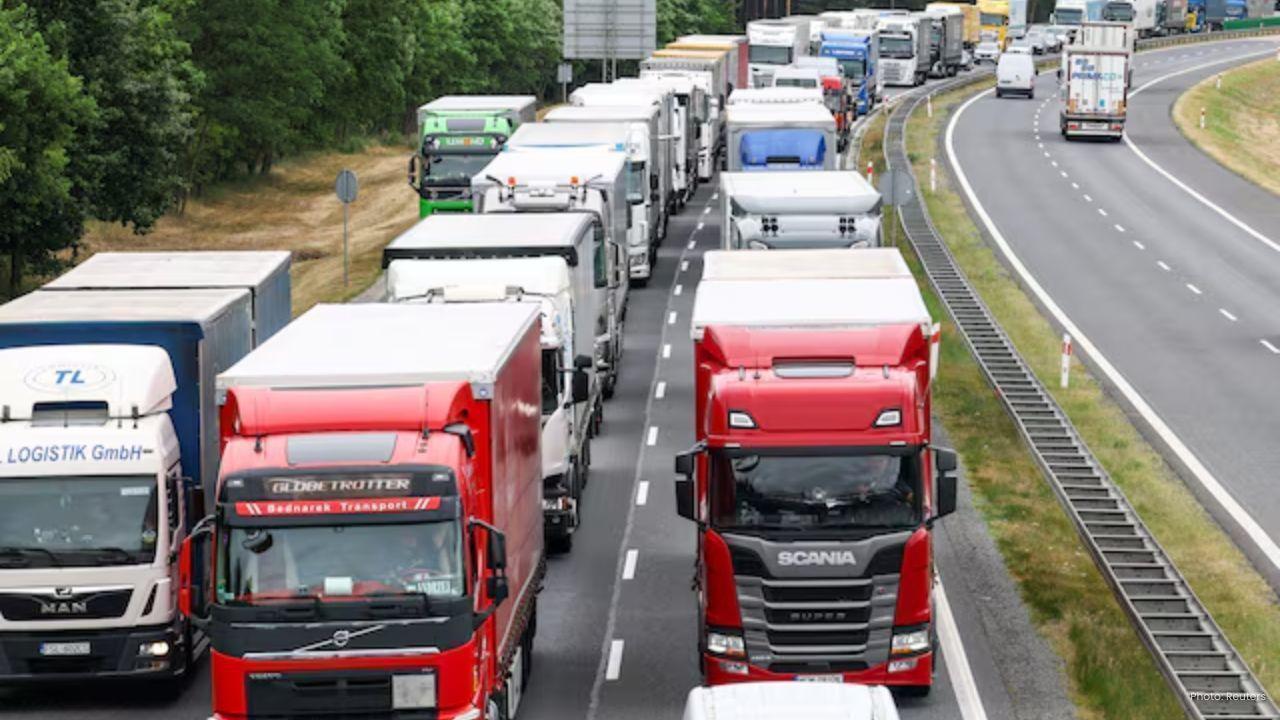
The strike has severely affected cargo operations at both Kandla and Mundra Ports. Truck movements, including inward and outward cargo transportation, have been halted entirely. Container Freight Stations (CFSs), empty container yards, liquid terminals, and other port-related industrial units have been affected by the disruption.
Importers and exporters are facing delays in the delivery and dispatch of goods. Shipping companies and freight forwarders have reported that the strike could lead to long-term logistical challenges if it continues for an extended period.
The strike has also affected local businesses that depend on port operations for their supply chain. Delays in cargo handling may increase costs for manufacturers, traders, and retailers across the region.
Advisory to Stakeholders
Transport associations have issued guidance to exporters, importers, freight forwarders, and other stakeholders:
Plan Shipments in Advance: Stakeholders are advised to complete any urgent shipments before delays increase.
Stay Updated: It is essential to stay in contact with transport associations and port authorities for real-time updates on the situation.
Exercise Patience: Stakeholders should understand that while the strike is disruptive, it aims to address long-standing issues that affect the broader trade and transport ecosystem.
Transporters also appeal for cooperation from all stakeholders. They emphasize that resolving the infrastructure issues will benefit the entire supply chain and enhance long-term efficiency at the ports.
Calls for Government Action
Transporters have urged the government and relevant authorities to take immediate steps to improve the roads leading to Kandla and Mundra Ports. They highlight that timely intervention could prevent further economic losses and improve the safety and efficiency of cargo movement.
Authorities have yet to announce a response or meeting to resolve the issue. However, transport associations remain firm that the strike will continue until tangible improvements are seen.
Economic Implications
Kandla and Mundra Ports are critical hubs for international trade in India. Any disruption in their operations has a ripple effect on regional and national trade. The indefinite strike could lead to:
Delays in the import of essential goods and raw materials.
Postponements in the export of manufactured products, affect trade contracts.
Increased logistical costs due to waiting times and alternate arrangements.
Potential financial losses for transport operators, port authorities, and businesses relying on timely cargo movement.
The strike highlights the urgent need for proper road maintenance and infrastructure planning to support India’s growing trade demands.
Transporters’ Appeal to the Public
While acknowledging the inconvenience caused by the strike, transporters appeal for public patience and understanding. They stress that their actions are intended to protect livelihoods, improve safety, and ensure long-term efficiency in trade operations.
They call on the government and authorities to address their demands swiftly to avoid prolonged disruption and economic damage.
The indefinite strike at Kandla and Mundra Ports is a significant protest reflecting the broader challenges faced by transporters in India. Road infrastructure and timely maintenance are critical to sustaining smooth trade operations.
As the situation develops, stakeholders will closely watch for government interventions and any measures to restore normal cargo movement at these ports. The strike serves as a reminder of the importance of infrastructure development and responsiveness to industry concerns in maintaining the country’s trade efficiency.
Kandla Port, Mundra Port, Transport Strike, Road Infrastructure



Advances in Aerospace Technology and Commercial Aviation Recovery
Insights into breakthrough aerospace technologies and commercial aviation’s recovery amid 2025 chall

Defense Modernization and Strategic Spending Trends
Explore key trends in global defense modernization and strategic military spending shaping 2025 secu

Tens of Thousands Protest in Serbia on Anniversary of Deadly Roof Collapse
Tens of thousands in Novi Sad mark a year since a deadly station roof collapse that killed 16, prote

Canada PM Carney Apologizes to Trump Over Controversial Reagan Anti-Tariff Ad
Canadian PM Mark Carney apologized to President Trump over an Ontario anti-tariff ad quoting Reagan,

The ad that stirred a hornets nest, and made Canadian PM Carney say sorry to Trump
Canadian PM Mark Carney apologizes to US President Trump after a tariff-related ad causes diplomatic

Bengaluru-Mumbai Superfast Train Approved After 30-Year Wait
Railways approves new superfast train connecting Bengaluru and Mumbai, ending a 30-year demand, easi




