Post by : Amit
In the heart of India’s northeast, a quiet but transformative revolution is taking shape on the roads of Tripura. The state government, under the leadership of Chief Minister Manik Saha, has unveiled an ambitious Road Safety Initiative that blends the urgency of saving lives with the power of modern technology—a move that could redefine how road safety is approached not just in Tripura, but across the nation.
In a country where the sheer scale of road accidents has often been met with indifference or piecemeal solutions, Tripura’s sweeping initiative marks a refreshing departure. It is a bold attempt to confront a grim reality: that on Indian roads, every minute, every decision, and every second counts. With road fatalities climbing year after year, and countless families shattered by accidents that might have been survivable with faster care, the need for action has never been greater.
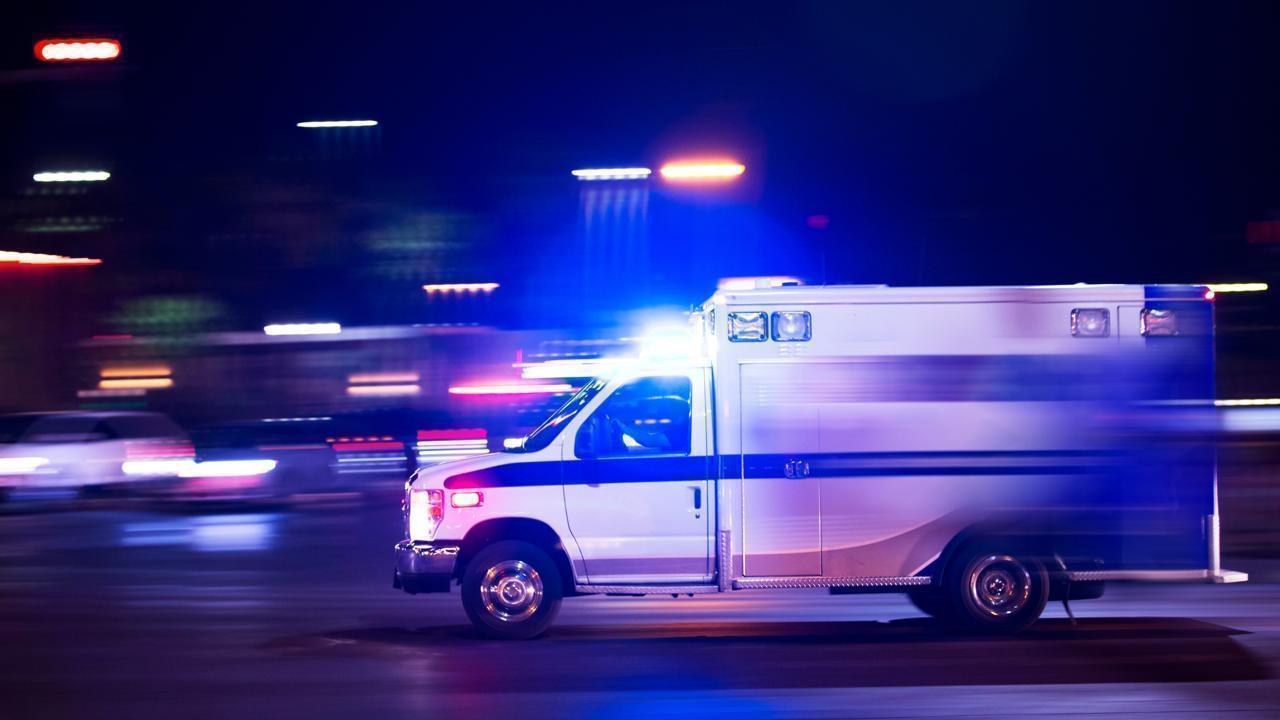
At the heart of this new chapter is the introduction of Basic Life Support (BLS) ambulances, 16 of which are now ready to serve as frontline responders on Tripura’s roads. These are not mere transport vehicles—they are mobile lifelines equipped with emergency medical technology designed to stabilize patients before they reach hospitals. In the critical minutes after a crash, when survival often hangs in the balance, these ambulances could mean the difference between life and death. From oxygen cylinders and automated defibrillators to trained paramedics, every aspect has been carefully thought out to ensure that no life is lost for want of timely assistance.
But the government’s vision stretches beyond just putting more ambulances on the road. In a forward-looking move, Tripura has also deployed a Vehicle Tracking System (VTS)—a cutting-edge digital network that allows real-time monitoring of these life-saving units. With the VTS in place, authorities can pinpoint the exact location of ambulances, road safety patrols, and emergency response teams at any given moment. This means faster deployment, quicker response to emergencies, and more efficient coordination among agencies. For the average citizen in distress, it translates to one simple promise: help is on the way, faster than ever before.
This combination of on-ground medical readiness and smart surveillance technology reflects a shift in the way road safety is being perceived and prioritized. Tripura is not merely reacting to the aftermath of accidents—it is building a system that anticipates emergencies and acts swiftly. It is an example of governance that understands that prevention and preparedness are two sides of the same coin.
Chief Minister Manik Saha, while launching the initiative, spoke of the human cost behind every statistic. His words resonated deeply in a country where road deaths are too often reduced to numbers—7,000 here, 10,000 there—while the personal tragedies they represent are forgotten. He emphasized that road safety is not just a matter of rules and regulations but a matter of life, of dignity, and of humanity.
The state’s strategy does not stop with ambulances and tracking. It extends to the very culture of the roads—through intensified public awareness campaigns, stricter enforcement of traffic laws, and a renewed push for driver education. There is recognition that technology alone cannot save lives if the behavior of road users does not change. It is a holistic approach that seeks to weave safety into the daily fabric of the state’s streets and highways.
The timing could not be more urgent. India ranks among the highest in the world for road fatalities—a haunting record that no nation should hold. Too often, accidents are caused by reckless driving, poor infrastructure, and the fatal delay in receiving medical care. Tripura’s new initiative stands as a challenge to that status quo. It signals that even smaller states, with limited resources, can lead the way with innovation, determination, and compassion.
The future that Tripura is building is one where the fear of the open road can give way to confidence. Where a mother sending her child to school or a worker heading home does not have to wonder if they will arrive safely. Where technology works not just for convenience, but for life itself. The introduction of these ambulances and the real-time tracking system is more than a policy shift—it is a signal of what is possible when governance embraces both tradition and innovation.
As these modern ambulances take to the roads and the digital eyes of the tracking system watch over them, the people of Tripura can look forward to safer journeys and a renewed sense of security. The road ahead may still be long, but for this small state with big ambitions, the wheels of change are already in motion—driven by hope, guided by technology, and fueled by the unwavering belief that every life matters.
Vehicle Tracking System, Tripura , Road Safety



Advances in Aerospace Technology and Commercial Aviation Recovery
Insights into breakthrough aerospace technologies and commercial aviation’s recovery amid 2025 chall

Defense Modernization and Strategic Spending Trends
Explore key trends in global defense modernization and strategic military spending shaping 2025 secu

Tens of Thousands Protest in Serbia on Anniversary of Deadly Roof Collapse
Tens of thousands in Novi Sad mark a year since a deadly station roof collapse that killed 16, prote

Canada PM Carney Apologizes to Trump Over Controversial Reagan Anti-Tariff Ad
Canadian PM Mark Carney apologized to President Trump over an Ontario anti-tariff ad quoting Reagan,

The ad that stirred a hornets nest, and made Canadian PM Carney say sorry to Trump
Canadian PM Mark Carney apologizes to US President Trump after a tariff-related ad causes diplomatic

Bengaluru-Mumbai Superfast Train Approved After 30-Year Wait
Railways approves new superfast train connecting Bengaluru and Mumbai, ending a 30-year demand, easi




