Post by : Saif
U.S. President Donald Trump has taken a tough and unusual step against America’s biggest defense companies by ordering them to stop paying dividends and buying back their own shares until they improve weapons production. The move has shaken financial markets, pushed defense stocks lower, and signaled a major shift in how the U.S. government plans to deal with its powerful military contractors.
In an executive order released by the White House, Trump said defense firms have focused too much on pleasing investors instead of delivering weapons on time and at a fair cost. He argued that after years of delays, rising prices, and maintenance problems, the defense industry needs strict discipline and clear priorities. According to Trump, national security and support for U.S. soldiers must come before profits and shareholder rewards.
Following his comments, shares of major defense companies fell sharply. Lockheed Martin, Northrop Grumman, and General Dynamics all saw their stock prices drop as investors reacted to the possibility of tighter controls and lower payouts. These companies are among the largest suppliers of fighter jets, missiles, submarines, and other key military equipment used by the United States and its allies.
Trump was especially critical of Raytheon, a unit of RTX, saying it had been slow to respond to Pentagon needs. Raytheon produces Patriot missile defense systems and Tomahawk missiles, both of which have been heavily used in recent conflicts, including the war in Ukraine. While RTX did not immediately respond to Trump’s criticism, the comments added to market pressure on defense stocks.
The executive order states that, effective immediately, defense contractors are not allowed to pay dividends or repurchase shares until they can prove they are delivering high-quality weapons on time and within budget. Within 30 days, Defense Secretary Pete Hegseth is required to identify companies that are underperforming on their contracts while still spending money on buybacks. These firms will be given a short window to submit plans explaining how they will fix delays and improve production.
If those plans are rejected, the government could take enforcement action. The order also says that future defense contracts must include rules that ban stock buybacks when companies fail to meet performance goals. In addition, executive bonuses will no longer be tied to short-term financial targets like earnings per share. Instead, pay incentives must be linked to real-world results such as faster delivery, higher production, and better efficiency.
Trump also attacked executive pay in the defense industry, calling it excessive and unfair. He said executive compensation should be capped at $5 million, far below the $20 million or more that many top defense executives currently earn through salaries and stock awards. While the order does not fully explain how the cap would be enforced, it gives the Pentagon authority to freeze executive base salaries if a company is found to be underperforming.
The president also demanded that defense firms invest in new and modern production plants. He said companies must expand their ability to build and maintain equipment, not only for current weapons but also for future military systems. Trump’s message was clear: defense firms must focus on factories, workers, and delivery schedules, not financial engineering.
Share buybacks and dividends have long been common in the defense sector. For example, Lockheed Martin recently raised its dividend for the 23rd straight year and approved billions of dollars in share repurchases. Critics of the industry argue that such spending benefits shareholders but does little to solve long-standing problems like cost overruns and delayed programs.
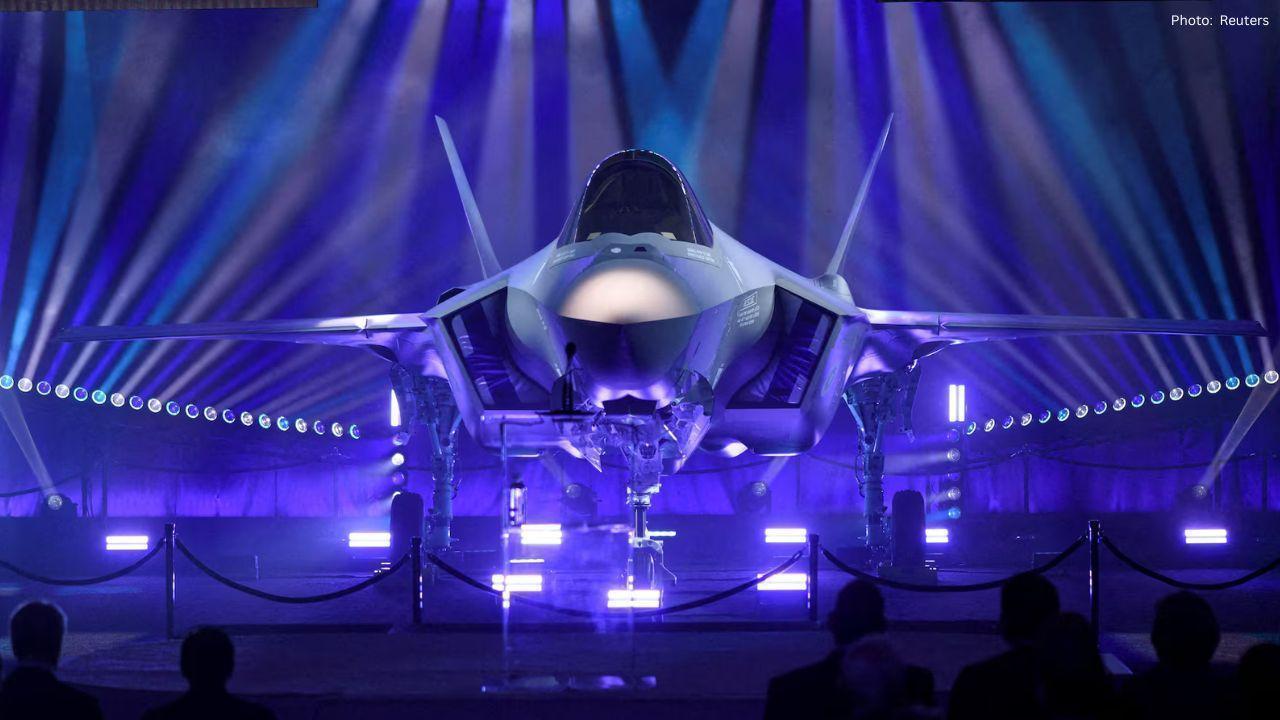
Several major defense projects have faced serious trouble. The F-35 fighter jet program has been hit by rising costs and repeated delays. Northrop Grumman’s Sentinel missile program, meant to replace aging nuclear missiles, has reportedly gone far over budget. These problems have fueled anger inside the Pentagon and among lawmakers who say taxpayers are paying too much for late deliveries.
Industry groups have been closely watching Trump’s proposals and are deeply concerned. The largest defense companies did not immediately comment, but the new policy could force major changes in how they manage money, reward executives, and plan long-term investments.
Trump’s decision marks one of the strongest challenges ever made by a U.S. president to the military-industrial complex. Supporters say the move is overdue and will force defense companies to put national security first. Critics warn that strict limits on payouts and pay could discourage investment and hurt innovation if not handled carefully.
What is certain is that the relationship between the U.S. government and its defense contractors is entering a new phase. By tying profits and executive rewards directly to performance, Trump is sending a clear message that delays and cost overruns will no longer be tolerated. How the defense industry responds could shape America’s military strength and defense spending for years to come.
#trending #latest #USDefense #TrumpPolicy #DefenseIndustry #MilitarySpending #ArmsProduction #Pentagon #StockMarket #NationalSecurity



Advances in Aerospace Technology and Commercial Aviation Recovery
Insights into breakthrough aerospace technologies and commercial aviation’s recovery amid 2025 chall

Defense Modernization and Strategic Spending Trends
Explore key trends in global defense modernization and strategic military spending shaping 2025 secu

Tens of Thousands Protest in Serbia on Anniversary of Deadly Roof Collapse
Tens of thousands in Novi Sad mark a year since a deadly station roof collapse that killed 16, prote

Canada PM Carney Apologizes to Trump Over Controversial Reagan Anti-Tariff Ad
Canadian PM Mark Carney apologized to President Trump over an Ontario anti-tariff ad quoting Reagan,

The ad that stirred a hornets nest, and made Canadian PM Carney say sorry to Trump
Canadian PM Mark Carney apologizes to US President Trump after a tariff-related ad causes diplomatic

Bengaluru-Mumbai Superfast Train Approved After 30-Year Wait
Railways approves new superfast train connecting Bengaluru and Mumbai, ending a 30-year demand, easi




