Post by : Saif
President Donald Trump’s latest threat toward Canada has sent shockwaves through the global aviation industry. By warning of aircraft decertification and a steep 50% tariff on planes made in Canada, Trump has turned a technical safety issue into a major political and economic confrontation. Aviation experts say the move could seriously damage international trust and disrupt air travel across North America.
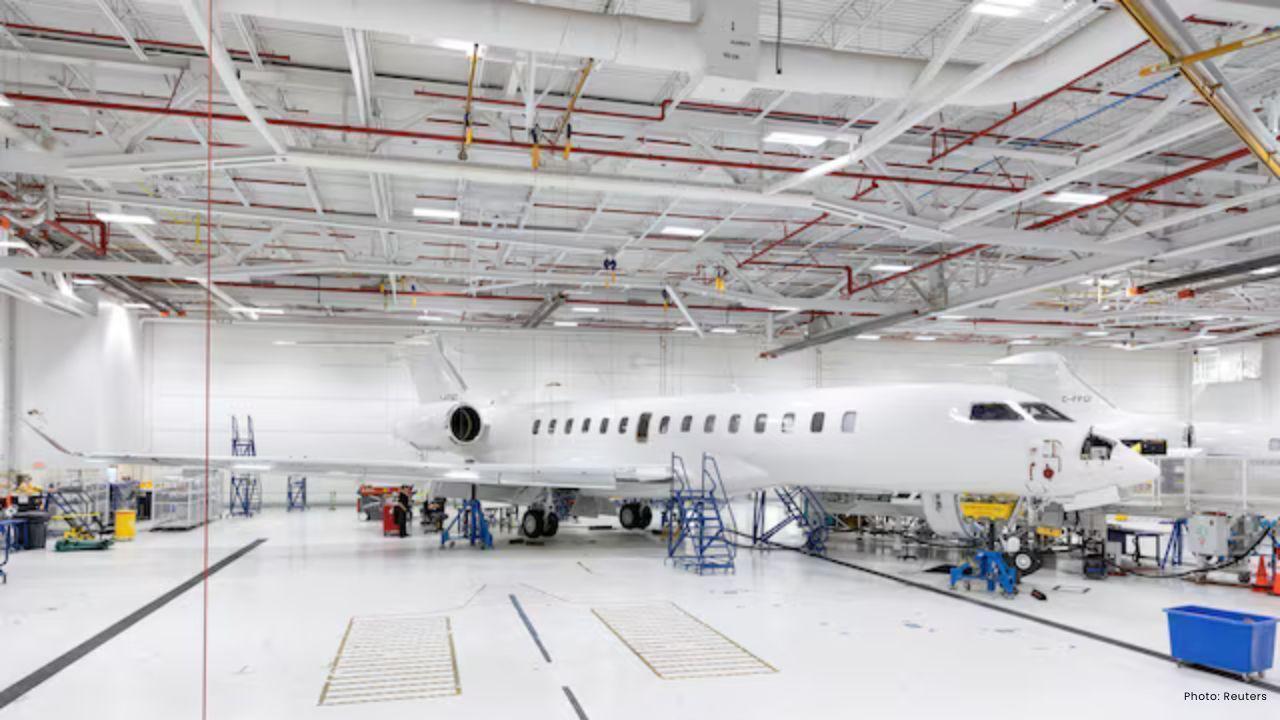
The dispute centers on aircraft certification, a process designed to ensure planes are safe to fly. Trump accused Canada of refusing to certify several Gulfstream business jets made by the U.S.-based company Gulfstream Aerospace. He responded by saying the United States could decertify Bombardier aircraft and block Canadian-made planes from the U.S. market until Canada changes its position.
This threat is unusual because aircraft certification is normally handled by independent regulators, not political leaders. Safety approvals are based on engineering data, flight tests, and strict rules. They are not meant to be used as tools in trade disputes. Aviation analysts warn that using certification as pressure could weaken the entire system that keeps global air travel safe.
There are also serious legal questions. In the United States, aircraft certification falls under the authority of the Federal Aviation Administration. Under current law, the FAA can only revoke approval for safety reasons. It does not appear to have the power to decertify aircraft simply because of economic or political disagreements. This raises doubts about whether Trump’s threat can even be carried out.
If such action were taken, the impact would be immediate and widespread. More than 5,000 Canadian-made aircraft are currently registered in the United States. These include business jets, regional passenger planes, and helicopters. Many U.S. airlines rely on Canadian-built regional aircraft to serve smaller cities and rural areas. Grounding these planes would likely cut off air service to many communities, increase ticket prices, and disrupt airline schedules nationwide.
Experts say the damage would not be evenly spread. Smaller towns and rural states would feel the effects first, as regional aircraft are often their only link to major airports. Major airline hubs would also suffer because they depend on connecting flights from these regions to stay profitable.
Bombardier, Canada’s leading aircraft manufacturer, has deep ties to the United States. The company employs thousands of workers across several U.S. states and operates service and manufacturing facilities there. The U.S. is also the largest market in the world for business aviation. Any restrictions on Bombardier aircraft would harm not only Canadian workers, but also American jobs, suppliers, and travelers.
The situation also reflects growing tension between Washington and Ottawa. Canadian Prime Minister Mark Carney has recently spoken about moving away from reliance on U.S.-led trade rules, citing pressure from American trade policies. With around 70% of Canadian exports going to the United States, continued tariff threats are pushing Canada to look for other trade partners.
Aviation has long been one of the strongest examples of global cooperation. Planes fly safely across borders every day because regulators trust each other’s safety decisions. Once that trust is weakened, every country may begin to question approvals made elsewhere, slowing down aircraft deliveries and raising safety concerns worldwide.
Industry leaders warn that mixing politics with aviation safety sets a dangerous precedent. If one country uses certification as leverage, others may follow. This could fragment the global aviation system and make flying more complicated, more expensive, and potentially less safe.
Trump’s warning may be intended as a negotiating tactic, but its consequences could reach far beyond trade talks. From grounded planes and disrupted flights to weakened safety standards and strained alliances, the risks are high. Aviation works best when safety rules remain separate from politics. Crossing that line could leave passengers and communities paying the price.
#trending #latest #AviationNews #USCanadaRelations #AircraftSafety #TradeTensions #Bombardier #Gulfstream #AirlineIndustry #GlobalAviation



Advances in Aerospace Technology and Commercial Aviation Recovery
Insights into breakthrough aerospace technologies and commercial aviation’s recovery amid 2025 chall

Defense Modernization and Strategic Spending Trends
Explore key trends in global defense modernization and strategic military spending shaping 2025 secu

Tens of Thousands Protest in Serbia on Anniversary of Deadly Roof Collapse
Tens of thousands in Novi Sad mark a year since a deadly station roof collapse that killed 16, prote

Canada PM Carney Apologizes to Trump Over Controversial Reagan Anti-Tariff Ad
Canadian PM Mark Carney apologized to President Trump over an Ontario anti-tariff ad quoting Reagan,

The ad that stirred a hornets nest, and made Canadian PM Carney say sorry to Trump
Canadian PM Mark Carney apologizes to US President Trump after a tariff-related ad causes diplomatic

Bengaluru-Mumbai Superfast Train Approved After 30-Year Wait
Railways approves new superfast train connecting Bengaluru and Mumbai, ending a 30-year demand, easi




