Post by : Amit
UK Charts Net-Zero Course with Maritime Decarbonisation Strategy
The UK government has officially launched its long-awaited Maritime Decarbonisation Strategy, laying out a clear roadmap to transition the nation’s shipping industry to net-zero emissions by 2050. Published by the Department for Transport (DfT), the strategy represents a major milestone in Britain’s commitment to fighting climate change while positioning its maritime sector for future competitiveness.
The plan aims to slash greenhouse gas emissions across domestic and international shipping, introduce green fuels, accelerate technology adoption, and ensure the UK becomes a global hub for clean maritime innovation.
A Sea Change in Policy and Vision
At its core, the Maritime Decarbonisation Strategy reflects the UK’s alignment with the International Maritime Organization’s revised greenhouse gas strategy, which targets net-zero emissions by or around 2050.
But rather than wait for global mandates to take full effect, the UK is now pushing ahead with homegrown actions — setting timelines, funding priorities, and technology targets to ensure the shipping industry decarbonises on schedule.
In her statement, Transport Secretary Louise Haigh noted that shipping has been “the overlooked sector” in many national climate policies — despite accounting for around 3% of global emissions. This strategy, she said, aims to correct that.
“We are determined to decarbonise the maritime sector without delay. This strategy sets the course for cleaner seas, greener ports, and stronger climate leadership,” Haigh said.
Targets and Milestones
The new strategy lays out an ambitious but structured path to net zero, including several major milestones between now and 2050.
By 2030:
By 2040:
By 2050:
Green Corridors: Flagship Project for the Decade
One of the most high-profile aspects of the strategy is the creation of clean maritime corridors, or “green shipping routes,” between UK and foreign ports. These routes will only support vessels running on zero-emission fuels or propulsion systems, making them testing grounds for future global shipping standards.
The UK plans to collaborate with key trading partners such as Norway, the Netherlands, and Singapore to establish these corridors. Early candidates for green corridor development include routes connecting:
These corridors will help develop the necessary infrastructure, such as hydrogen bunkering stations, and provide early feedback on the economic and operational feasibility of zero-emission shipping.
Technology and Fuel Priorities
To meet its climate targets, the UK strategy identifies several key technologies and energy carriers to support:
Importantly, the strategy also commits to ensuring that the fuels and technologies adopted are sustainably sourced and do not displace emissions to other sectors.
Funding and Innovation Support
To turn ambition into reality, the UK government has pledged to continue investing in its Clean Maritime Demonstration Competition (CMDC), which has already channelled over £206 million into maritime R&D since 2021.
The next rounds of funding under CMDC will focus on:
In addition, the government is exploring the creation of Green Shipping Bonds and other financial instruments to attract private investment into clean shipping.
Regulatory Changes on the Horizon
Beyond funding, the strategy outlines several regulatory updates to ensure compliance and transparency in the transition to net zero:
These regulatory levers are intended to create a level playing field for early movers while raising the floor for lagging operators.
Impact on Ports and Logistics
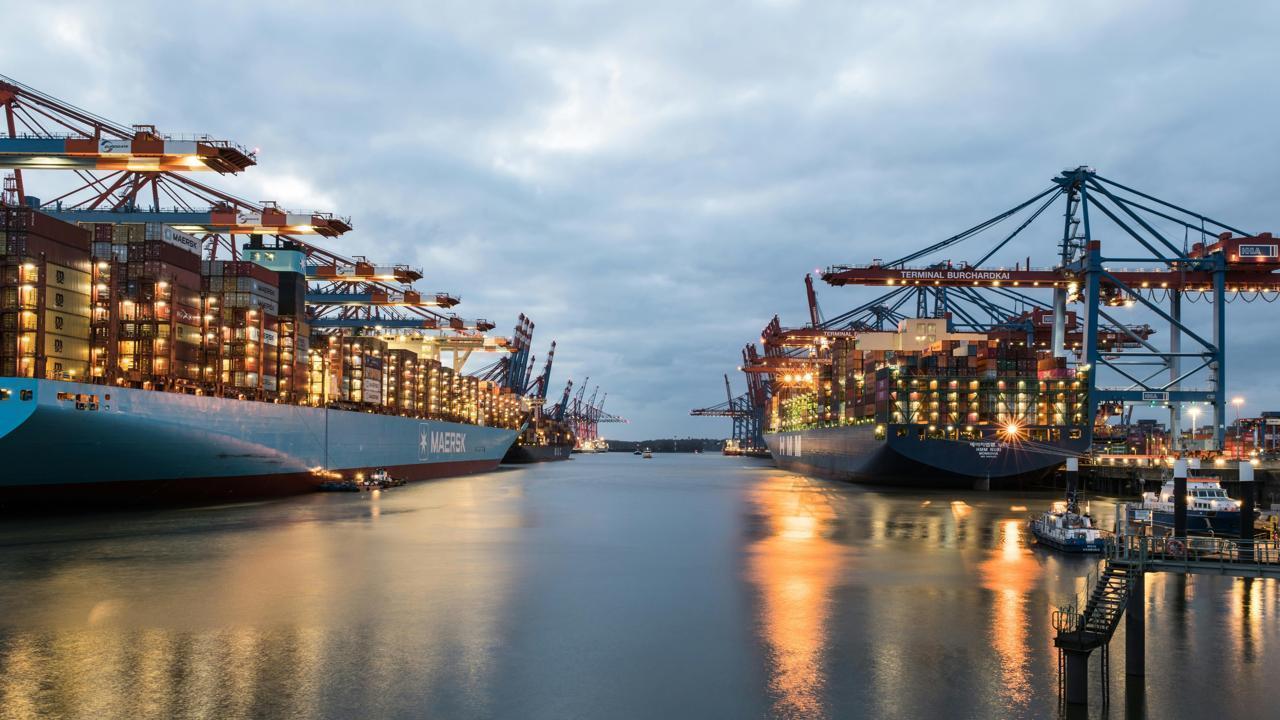
The new strategy is expected to have major implications for UK ports, which will need to rapidly upgrade their infrastructure to support alternative fuels, shore-side power, and larger volumes of emissions data.
The Department for Transport has promised to work closely with port authorities and private terminal operators to facilitate these changes. A dedicated Port Decarbonisation Plan is in the works, which will include:
Ports such as Southampton, Teesport, Felixstowe, and Grangemouth are seen as early frontrunners for infrastructure upgrades due to their high volumes and strategic importance.
Industry and Expert Reactions
The release of the Maritime Decarbonisation Strategy has been met with cautious optimism from industry leaders and environmental groups.
The UK Chamber of Shipping welcomed the strategy, with Chief Executive Sarah Treseder calling it “ambitious, timely, and necessary.” She urged the government to move quickly from plans to implementation and warned against letting bureaucracy delay pilot projects.
Maritime UK, the umbrella body for the sector, noted that while the goals are achievable, there needs to be strong coordination between government and industry to avoid regulatory bottlenecks.
Environmental NGOs such as Transport & Environment and Greenpeace UK praised the focus on green corridors but urged stricter enforcement to phase out fossil fuels entirely by the mid-2030s.
Technology, Cost, and Global Alignment
While the strategy is robust in vision, several challenges remain:
The government says it will address these issues through targeted subsidies, public-private partnerships, and international negotiations within the IMO.
A Defining Step Toward Clean Shipping
The UK's Maritime Decarbonisation Strategy sets a bold course for the future — one in which ships sail without polluting, ports run on clean energy, and the UK becomes a global leader in green maritime innovation.
It’s not just about climate goals. Decarbonisation presents an economic opportunity, with potential to create thousands of green jobs, attract private capital, and drive export growth in clean tech.
By acting early and decisively, the UK is positioning its shipping industry to thrive in a world where zero-emission shipping will no longer be a luxury — but a necessity.
The tides of maritime sustainability are shifting fast. And with this strategy, Britain aims not just to keep up — but to lead.
Uk, Marintime, Zero-Emission Shipping



Advances in Aerospace Technology and Commercial Aviation Recovery
Insights into breakthrough aerospace technologies and commercial aviation’s recovery amid 2025 chall

Defense Modernization and Strategic Spending Trends
Explore key trends in global defense modernization and strategic military spending shaping 2025 secu

Tens of Thousands Protest in Serbia on Anniversary of Deadly Roof Collapse
Tens of thousands in Novi Sad mark a year since a deadly station roof collapse that killed 16, prote

Canada PM Carney Apologizes to Trump Over Controversial Reagan Anti-Tariff Ad
Canadian PM Mark Carney apologized to President Trump over an Ontario anti-tariff ad quoting Reagan,

The ad that stirred a hornets nest, and made Canadian PM Carney say sorry to Trump
Canadian PM Mark Carney apologizes to US President Trump after a tariff-related ad causes diplomatic

Bengaluru-Mumbai Superfast Train Approved After 30-Year Wait
Railways approves new superfast train connecting Bengaluru and Mumbai, ending a 30-year demand, easi




