Post by : Amit
The Slow Disappearance of an Iconic Aircraft
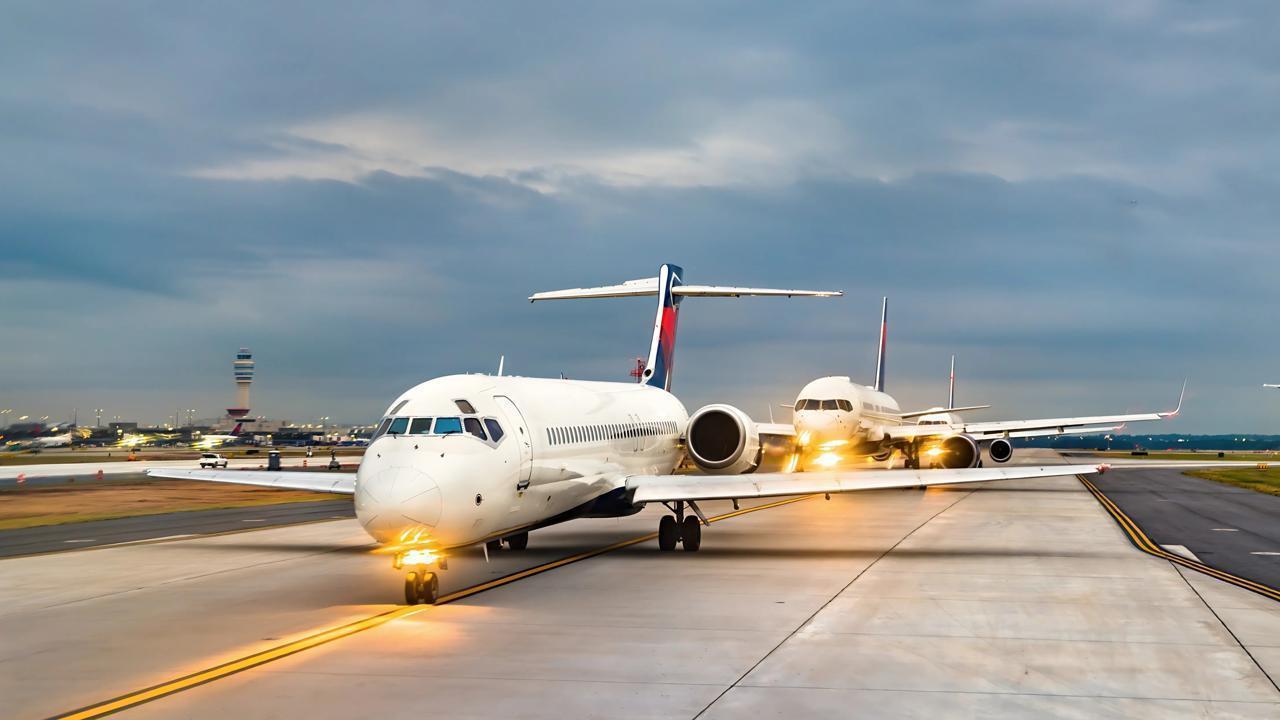
The UK is witnessing the gradual disappearance of one of its most beloved commercial aircraft, the Boeing 757, as passenger services are now confined to just seven remaining routes. Once a common sight at airports across the country and a mainstay of both short-haul and transatlantic operations, the Boeing 757 is now firmly in the twilight of its career. As newer, more efficient aircraft dominate the skies, the remaining 757s are a nostalgic link to a previous era of aviation when versatility, power, and performance were paramount.
A Storied Past Comes to a Close
Introduced in the early 1980s, the Boeing 757 was a game-changer for airlines seeking a narrowbody aircraft with impressive range and the ability to operate from shorter runways. The aircraft quickly found favor with UK carriers, with British Airways, Monarch Airlines, and Airtours among the early adopters. For decades, it served faithfully on both domestic shuttles and long-haul holiday flights, becoming a workhorse that helped democratize air travel for millions of British holidaymakers.
However, the passage of time has not been kind to the 757. With many airframes now over 30 years old, the costs of maintenance, spare parts, and fuel consumption have escalated, making the aircraft less economically viable for modern commercial operations. The rise of next-generation aircraft like the Airbus A321neo and Boeing 737 MAX, which offer similar range with much greater fuel efficiency, has accelerated the retirement of the 757 from passenger service.
The Last Airlines Keeping the 757 Alive
Today, only two UK carriers continue to fly the Boeing 757 for passenger services: Jet2.com and Titan Airways. Jet2, primarily a leisure airline catering to British holidaymakers, has retained the 757 on a limited number of seasonal routes, while Titan Airways, known for charter and VIP services, uses the aircraft for bespoke passenger operations. Both airlines operate small fleets of the type, deploying them on routes where the aircraft’s capacity and performance are still valued.
The seven remaining routes served by these last 757s include flights from key UK regional airports such as Leeds Bradford, Manchester, Birmingham, London Stansted, East Midlands, Bristol, and Glasgow. These services connect British travelers to popular holiday destinations in Spain, Portugal, Turkey, and the Canary Islands—places that have long been staples of the UK’s outbound leisure market.
Why the Boeing 757 Stood the Test of Time
The Boeing 757’s longevity is a testament to its remarkable engineering. The aircraft’s powerful engines allowed it to take off from short runways while carrying full passenger loads and heavy fuel tanks, making it ideal for challenging airports. Its range enabled it to bridge transatlantic gaps that smaller narrowbodies could not manage at the time. This made the 757 an enabler of direct long-haul services between secondary cities on both sides of the Atlantic, opening up new markets and offering airlines more flexibility in route planning.
In the UK, the aircraft’s ability to carry large numbers of passengers to popular Mediterranean and Atlantic island destinations made it a favorite for tour operators and holiday airlines. Its robust performance and reliability ensured that it remained in service well beyond the lifespan of many other aircraft introduced in the same era.
The Shift to New-Generation Aircraft
Despite its strengths, the Boeing 757 cannot compete with the efficiency and sustainability of today’s new-generation jets. The aviation industry is under increasing pressure to reduce carbon emissions and improve fuel economy, and the 757’s older engines and heavier airframe fall short of modern standards. Airlines are turning to aircraft like the Airbus A321XLR, which offers similar or even superior range and capacity but with significantly lower operating costs and environmental impact.
Fleet renewal programs across the globe have seen the 757 retired from most scheduled passenger services. Even in the United States, where the type once dominated transcontinental and transatlantic routes, major carriers have moved to newer aircraft. In the UK, the shift is equally pronounced, with many former 757 operators having already transitioned to newer narrowbodies.
Enthusiasts Rush to Catch the Final Flights
The decline of the Boeing 757 has not gone unnoticed by aviation enthusiasts, who are eager to experience the aircraft before it disappears from UK skies entirely. The remaining flights have become something of a pilgrimage for aircraft spotters and frequent flyers who remember the aircraft fondly for its distinctive engine roar, sleek profile, and comfortable ride.
Social media aviation groups and online forums are filled with trip reports and photos of the final 757 services, capturing the nostalgia surrounding the type’s final years in passenger service. For many, the aircraft represents not just a means of travel but a symbol of a particular era in British holidaymaking and transatlantic adventure.
The Future: Cargo and Charter Roles
While the Boeing 757 is fading from passenger services, its utility ensures that it will remain active in other aviation sectors for years to come. Many 757s are being converted to freighters, where their payload capacity and range make them ideal for express cargo operations. Logistics giants such as DHL, FedEx, and UPS operate large fleets of 757 freighters, a role that could extend the aircraft’s service life well into the 2030s.
In addition to cargo work, the aircraft continues to find niche roles in charter markets, particularly for sports teams, government operations, and ad-hoc flights. Titan Airways, for example, still deploys its 757s for specialist charters where reliability and performance are essential.
A Farewell to an Aviation Legend
The disappearance of the Boeing 757 from UK passenger service marks the end of an aviation era. For over four decades, the aircraft has connected Britain to the world, from bustling domestic routes to sun-drenched holiday escapes and transatlantic crossings. Its versatility, performance, and reliability made it a favorite among airlines and passengers alike.
As the aviation industry moves forward with cleaner, more efficient aircraft, the Boeing 757’s legacy will live on in the memories of those who traveled aboard it. The remaining seven routes are a final chance for travelers to experience this aviation icon before it departs the skies of the UK for good.
The 757’s Legacy in British Aviation
The Boeing 757’s final chapter in the UK is being written quietly, with just seven routes still carrying its name. Yet its impact on the country’s aviation history is anything but small. The aircraft’s unique capabilities changed how airlines approached medium- and long-haul operations, and its role in expanding travel opportunities for millions of British passengers will not be forgotten. As the last remaining flights continue, the 757 takes its rightful place in the pantheon of aviation legends, remembered fondly even as it makes way for the future.
Aviation, UK, Boeing



Advances in Aerospace Technology and Commercial Aviation Recovery
Insights into breakthrough aerospace technologies and commercial aviation’s recovery amid 2025 chall

Defense Modernization and Strategic Spending Trends
Explore key trends in global defense modernization and strategic military spending shaping 2025 secu

Tens of Thousands Protest in Serbia on Anniversary of Deadly Roof Collapse
Tens of thousands in Novi Sad mark a year since a deadly station roof collapse that killed 16, prote

Canada PM Carney Apologizes to Trump Over Controversial Reagan Anti-Tariff Ad
Canadian PM Mark Carney apologized to President Trump over an Ontario anti-tariff ad quoting Reagan,

The ad that stirred a hornets nest, and made Canadian PM Carney say sorry to Trump
Canadian PM Mark Carney apologizes to US President Trump after a tariff-related ad causes diplomatic

Bengaluru-Mumbai Superfast Train Approved After 30-Year Wait
Railways approves new superfast train connecting Bengaluru and Mumbai, ending a 30-year demand, easi




