Post by : Amit
Photo : X / Alex
Summer Travel Boom Pushes Revenue to New Heights
United Airlines has reported strong second-quarter financial results for 2025, with revenue reaching $15.2 billion—a 1.7% increase compared to the same period last year. The earnings, announced on July 17, reflect robust demand for international travel and the high-traffic summer season, helping offset ongoing industry challenges including rising labor costs, fuel volatility, and supply chain constraints.
The performance offers a window into the post-pandemic resilience of the aviation industry, particularly among U.S. legacy carriers that are now competing fiercely for returning leisure and business travelers. With international routes leading the recovery, United's global network has proven a significant asset in this rebound.
Record International Travel Drives Growth
United's Q2 revenue growth was largely powered by a surge in long-haul international travel. Transatlantic and transpacific routes performed exceptionally well, contributing to a record-setting quarter for global passenger traffic. The airline operated nearly 600,000 flights during the period, carrying more than 46 million passengers—a 3.2% year-over-year increase.
“Our strategy of building the world's best global airline is working,” said CEO Scott Kirby. “We’re seeing strong demand in international travel, which continues to outpace pre-pandemic levels in some sectors.”
Passenger Revenue Per Available Seat Mile (PRASM) rose, driven by better load factors and strong pricing, especially in premium cabins. Aircraft utilization also improved as the airline added more widebody capacity to match the heightened summer travel demand.
Profitability Outpaces Forecasts Despite Cost Challenges
United reported a net profit of $1.13 billion for Q2, beating Wall Street expectations. The airline's operating margin rose to 7.4%, marking a modest improvement over last year. These positive figures came despite headwinds, including rising pilot wages, jet fuel price volatility, and aircraft maintenance delays due to engine part shortages.
The supply chain issues—particularly shortages of CFM56 and LEAP-1B engine parts affecting Boeing narrowbody jets—remain a concern. However, CFO Gerry Laderman emphasized that strong operational discipline is helping the airline manage its cost structure. Full-year CASM-ex (cost per available seat mile excluding fuel) remains within previous guidance.
Fleet Expansion and Modernization Stay on Track
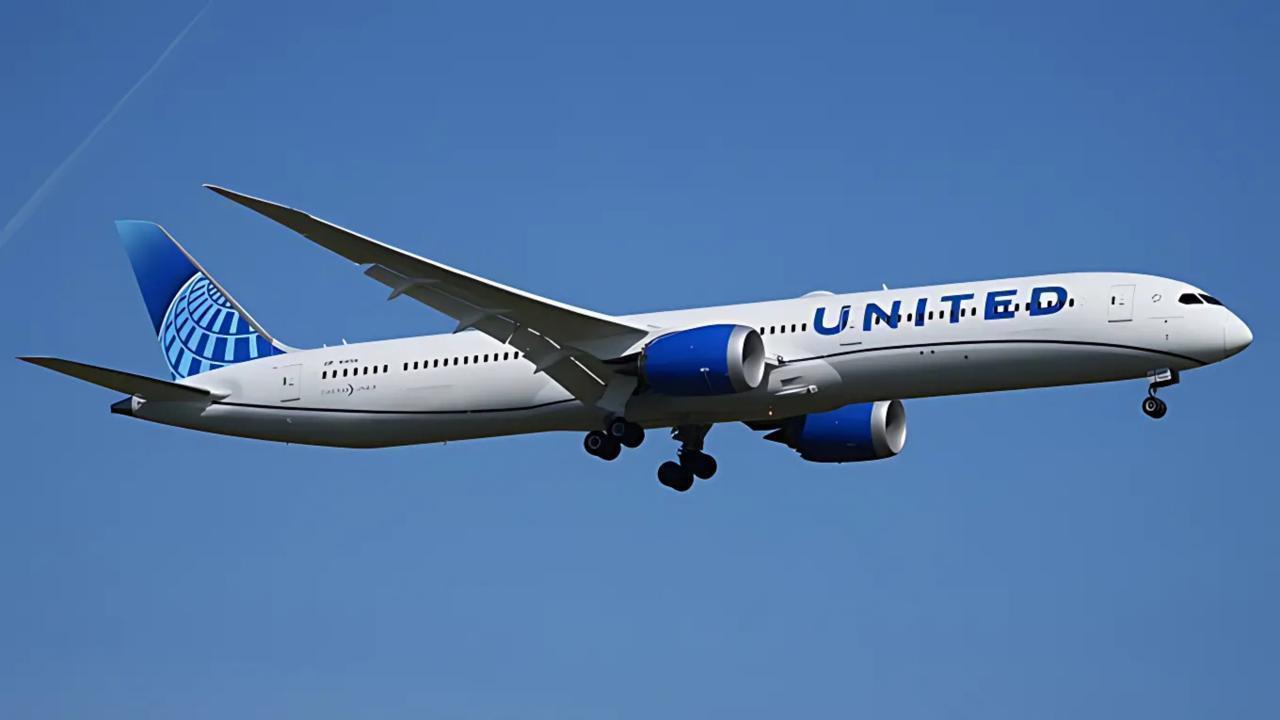
United reaffirmed that it remains on schedule with its ambitious fleet modernization strategy. The airline continues to take deliveries of new Boeing 787s and Airbus A321XLRs, despite ongoing delays from both manufacturers. These aircraft are critical to United's plan to expand premium offerings and reduce fuel costs across long-haul and high-yield domestic routes.
In addition, United is investing heavily in upgrading its existing fleet. Retrofits include new premium seating, enhanced in-flight entertainment, USB-C power ports, and high-speed satellite Wi-Fi—moves aimed at aligning with its "next-generation" brand experience.
System capacity is expected to grow by 4% to 5% year-over-year in the third quarter, with management expressing confidence that the carrier can meet growing demand without compromising service reliability.
United Next Strategy Shows Results
The quarterly performance reflects early gains from the company's "United Next" initiative. Introduced in 2021, the strategy aims to fundamentally reshape United by:
CEO Kirby highlighted that United is not only meeting its strategic goals but exceeding expectations in several areas, including unit revenue growth and customer satisfaction.
“We’re building an airline that our employees, customers, and investors can be proud of,” he said. “We’ve made big promises and we’re delivering on them.”
Global Travel Trends Strengthen U.S. Carriers
Data from the International Air Transport Association (IATA) supports the broader industry recovery. International passenger traffic rose sharply in Q2, led by the Asia-Pacific region, which is benefiting from fully reopened borders in China, Japan, and Southeast Asia.
United's strategic hubs in Tokyo, Singapore, and Sydney enabled the airline to seize this momentum. In Europe, sustained transatlantic demand also helped maintain high yields amid constrained airline capacity.
Forward Guidance Remains Upbeat
Looking ahead, United issued strong guidance for the rest of 2025. The airline projects full-year revenue growth of 6% to 8% and confirmed its adjusted earnings per share (EPS) forecast of $11 to $12.
Despite this optimism, management acknowledged several uncertainties:
Nonetheless, United emphasized its agility in responding to external pressures, citing flexible fleet management, network optimization, and technology investments as strategic buffers.
Strategy Over Speed
United's Q2 performance is more than a quarterly success story; it's a reflection of strategic clarity in an industry facing rapid change. Rather than chasing short-term wins, the airline is focused on building long-term advantages through smart capital allocation, fleet investments, and customer-centric upgrades.
Its renewed emphasis on international connectivity, coupled with a growing focus on sustainability and digital transformation, suggests that United is positioning itself as a next-generation global airline.
While near-term challenges remain, United's resilience in the face of cost headwinds and supply chain snarls illustrates its ability to adapt in a volatile industry. For now, the numbers speak for themselves: strong passenger volumes, improving margins, and expanding global reach.
Positioned for the Long Haul
United Airlines has entered the second half of 2025 with clear momentum. As international demand rebounds and new aircraft deliveries boost efficiency, the airline appears well-equipped to navigate market volatility and capitalize on long-term growth opportunities.
Its strategic focus on premium products, customer experience, and fleet renewal continues to set it apart in a highly competitive landscape. If current trends hold, United's transformation from a traditional U.S. carrier into a globally agile aviation powerhouse may well become the defining airline story of the decade.
United Airlines, Aviation, Usa



Advances in Aerospace Technology and Commercial Aviation Recovery
Insights into breakthrough aerospace technologies and commercial aviation’s recovery amid 2025 chall

Defense Modernization and Strategic Spending Trends
Explore key trends in global defense modernization and strategic military spending shaping 2025 secu

Tens of Thousands Protest in Serbia on Anniversary of Deadly Roof Collapse
Tens of thousands in Novi Sad mark a year since a deadly station roof collapse that killed 16, prote

Canada PM Carney Apologizes to Trump Over Controversial Reagan Anti-Tariff Ad
Canadian PM Mark Carney apologized to President Trump over an Ontario anti-tariff ad quoting Reagan,

The ad that stirred a hornets nest, and made Canadian PM Carney say sorry to Trump
Canadian PM Mark Carney apologizes to US President Trump after a tariff-related ad causes diplomatic

Bengaluru-Mumbai Superfast Train Approved After 30-Year Wait
Railways approves new superfast train connecting Bengaluru and Mumbai, ending a 30-year demand, easi




