Post by : Saif
The United States has confirmed the sale of an advanced air defence missile system to Taiwan worth nearly $700 million. This is the second major weapons package in just one week, bringing the total to around $1 billion. The decision comes at a time of growing military tension in the region, especially as China becomes increasingly angry over Taiwan’s defence agreements with the United States.
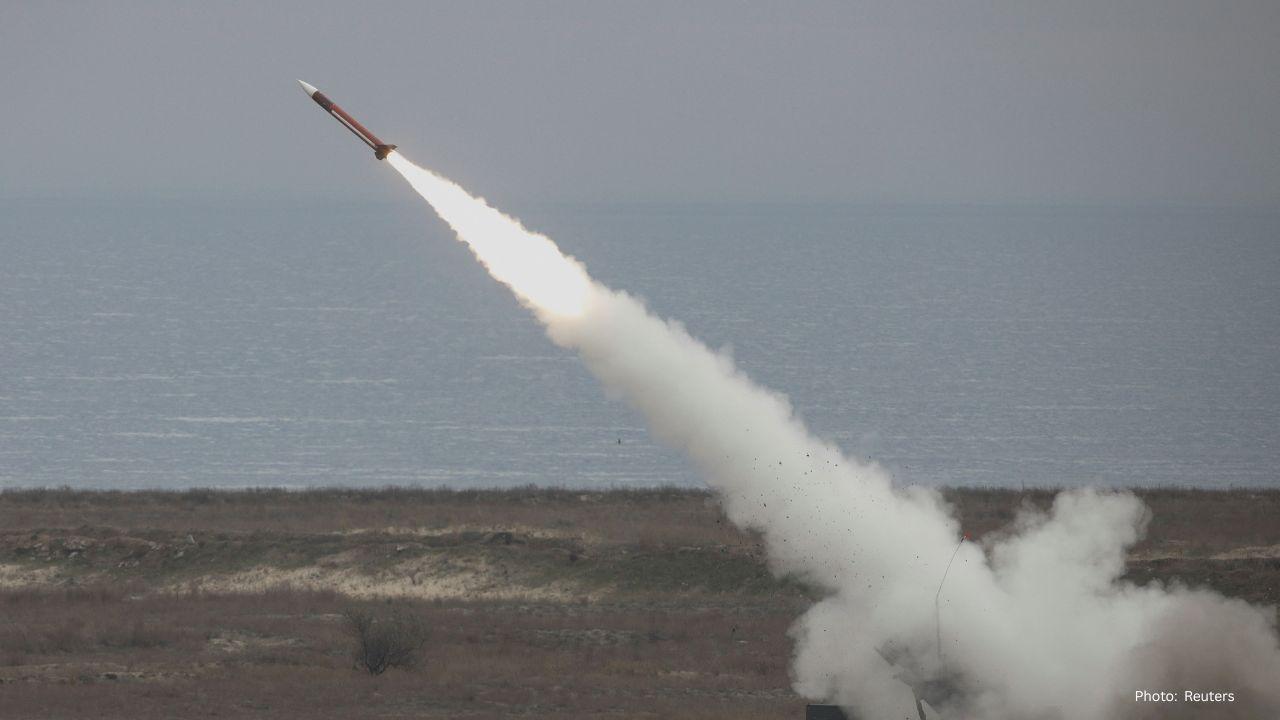
The system being sold is called NASAMS, short for National Advanced Surface-to-Air Missile System. It is made by the defence company RTX and has already been used in Ukraine to defend against Russian attacks. The system will give Taiwan much stronger protection against potential air threats. According to U.S. officials, only Australia and Indonesia currently operate this system in the Indo-Pacific region, and Taiwan is expected to receive three units as part of a larger weapons agreement first announced last year. The Pentagon said the company has been given a fixed-price contract and that the work is expected to be completed by February 2031. It also confirmed that nearly $699 million in foreign military funds have been officially approved.
American officials say the sale shows that the United States remains committed to helping Taiwan defend itself. Raymond Greene, the top U.S. representative in Taiwan, said that America’s support for Taiwan is “rock solid” and that Washington is backing its words with real action. He explained that the United States wants Taiwan to remain safe and that building up strong defences is necessary to maintain peace. Many Taiwanese leaders share this belief and argue that the best way to stop a conflict is to show that Taiwan is ready to protect itself.
The latest arms deal follows another approval last week that allowed Taiwan to buy fighter jet and aircraft parts worth $330 million. That sale was the first under President Donald Trump since January and immediately led to thanks from Taiwan and anger from China. Beijing has always been strongly opposed to arms sales to Taiwan. China claims Taiwan as its own territory, while Taiwan rejects China’s claim and operates as a separate government. The disagreement over Taiwan is one of the main causes of rising tension in East Asia.
The timing of the new arms sale comes as political and military pressure grows in the region. China and Japan have recently faced a serious diplomatic dispute over Taiwan. Over the weekend, Chinese coast guard ships entered waters around islands that Japan controls but China also claims. Japan also had to scramble fighter jets after a Chinese drone flew between Taiwan and Japan’s nearby island of Yonaguni. These incidents have raised concerns that the situation could escalate further.
Taiwan’s Defence Minister Wellington Koo called for calm and said China should avoid using force to settle disputes. However, Taiwan is not taking any chances. The Taiwanese military has been working hard to strengthen its own defence, building new submarines and increasing military preparations in case of an attack. Taiwan says that China’s military flies aircraft near the island almost every day as part of what it calls a “grey zone” strategy, meant to tire out Taiwan’s forces and test their readiness.
Even though the United States does not have official diplomatic ties with Taiwan, American law requires Washington to help Taiwan defend itself. This long-standing policy has frustrated China for many years, but American officials argue that supporting Taiwan is necessary to maintain stability in the region.
As tensions continue to grow, the sale of the NASAMS missile system is likely to further anger Beijing. However, Taiwan sees the purchase as an important step in protecting its population and military assets. With more military activity taking place around the island, many believe that Taiwan needs strong defence capabilities to avoid being forced into a conflict.
#trending #latest #TaiwanNews #USChinaTensions #MilitarySale #NASAMS #EastAsia #TaiwanDefense #armustnews



Advances in Aerospace Technology and Commercial Aviation Recovery
Insights into breakthrough aerospace technologies and commercial aviation’s recovery amid 2025 chall

Defense Modernization and Strategic Spending Trends
Explore key trends in global defense modernization and strategic military spending shaping 2025 secu

Tens of Thousands Protest in Serbia on Anniversary of Deadly Roof Collapse
Tens of thousands in Novi Sad mark a year since a deadly station roof collapse that killed 16, prote

Canada PM Carney Apologizes to Trump Over Controversial Reagan Anti-Tariff Ad
Canadian PM Mark Carney apologized to President Trump over an Ontario anti-tariff ad quoting Reagan,

The ad that stirred a hornets nest, and made Canadian PM Carney say sorry to Trump
Canadian PM Mark Carney apologizes to US President Trump after a tariff-related ad causes diplomatic

Bengaluru-Mumbai Superfast Train Approved After 30-Year Wait
Railways approves new superfast train connecting Bengaluru and Mumbai, ending a 30-year demand, easi




