Post by : Amit
Photo : X / MBTA
A Seamless Shift in City Commutes: India’s Leap Into Contactless Public Transport
Urban transportation across India’s bustling cities is undergoing a transformative revolution. The traditional, often cumbersome ticketing processes are being replaced by sleek, efficient, and passenger-friendly contactless ticketing systems. Across metros, buses, and suburban rail networks in cities like Delhi, Mumbai, Bengaluru, Hyderabad, Pune, Kochi, and beyond, this technological leap promises to redefine how millions commute daily.
At its core, this upgrade aims to minimize human interaction, slash long waiting lines, and digitize fare collection to create a hassle-free, secure, and transparent system. This is not just a cosmetic change; it’s part of a comprehensive national vision to modernize public transport infrastructure by leveraging cutting-edge technology, enhancing commuter convenience, and embracing sustainability. With initiatives like the National Common Mobility Card (NCMC), PM Gati Shakti, and the Smart Cities Mission fueling this push, India is stepping boldly toward an integrated, future-ready mobility ecosystem.
The New Face of Fare Collection: From Tokens to Tap-and-Go
Gone are the days when commuters had to fumble for tokens, paper tickets, or exact change. The new wave of contactless ticketing systems goes far beyond the familiar smart cards. Today’s commuters can pay seamlessly using mobile QR codes, UPI payments, Near Field Communication (NFC)-enabled cards, and even cutting-edge facial recognition technology currently under trial in select metros.
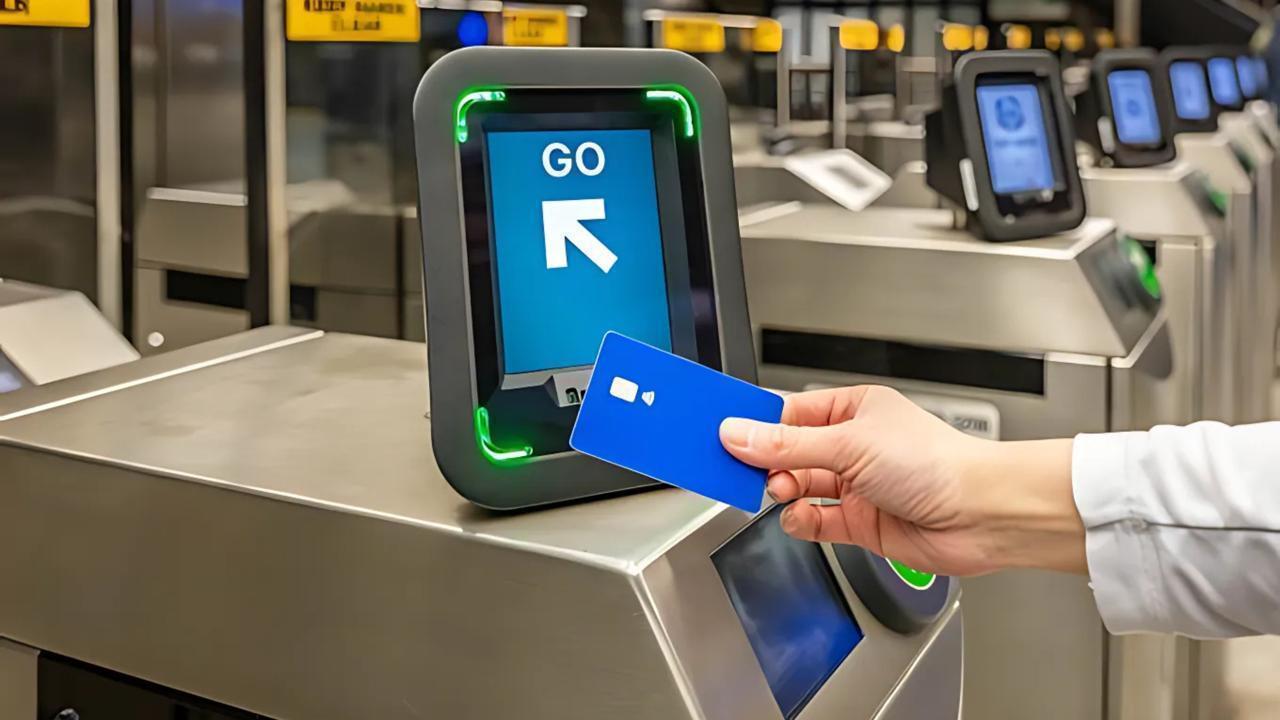
Imagine entering a metro station and simply scanning a QR code on your smartphone or tapping your debit card directly at the gate — no need to queue, no need for physical tickets. This fluidity is fast becoming the norm. For example, Delhi Metro’s upgraded system allows users to scan QR codes via its mobile app or use their NCMC-compliant debit cards at entry points. Similarly, Mumbai Metro and the BEST bus network are implementing cloud-based fare processing platforms that automatically deduct fares as commuters enter and exit — offering unmatched convenience and accuracy.
But this transformation is more than just individual convenience. Transport authorities have teamed up with top fintech firms and mobility technology companies to create interoperable systems across different modes of transportation. The vision? A single card or app that pays for your metro ride, bus fare, parking, and even last-mile services like e-rickshaws, creating a truly unified urban mobility experience.
Efficiency Amplified: Why Contactless Matters More Than Ever
The benefits of contactless ticketing extend well beyond quick entry and exit. Real-time fare processing and comprehensive passenger tracking provide transit agencies with a treasure trove of data. This invaluable insight enables them to analyze travel patterns, identify peak usage hours, and detect revenue collection trends — information that powers dynamic fare planning, optimized route design, and cost-effective operations.
In today’s post-pandemic world, minimizing physical contact points has become essential. Contactless systems reduce the risk of disease transmission, particularly during rush hours when stations are packed. Moreover, digital payment records enhance transparency, plugging revenue leakages that have long plagued public transit across Indian cities.
User-friendly features such as auto top-ups and low-balance notifications are game changers, especially for vulnerable commuters like students, senior citizens, and daily wage workers. No more embarrassing “insufficient balance” moments at the gate — instead, uninterrupted journeys backed by predictable, low-cost commuting.
Enabling Mobility-as-a-Service (MaaS): The Future of Urban Travel
India’s contactless ticketing revolution is a key stepping stone towards the country’s broader vision of Mobility-as-a-Service (MaaS). MaaS envisions a single platform—be it an app or a card—that grants users seamless access to diverse transport modes tailored to their destination, budget, and schedule.
Take Kochi as a pioneering example. The city has already rolled out the Kochi1 Card and accompanying mobile app, providing an end-to-end MaaS experience by integrating buses, metro, shared cabs, and bicycles. This platform is fast becoming a model for Tier 1 and Tier 2 cities nationwide.
The central government is actively facilitating this integration by supporting open APIs and common mobility databases, which allow app developers and transport operators to collaborate and create fluid, interconnected commuter experiences. With increasing adoption, commuters can expect real-time updates on delays, alternative routes, and service availability — features that not only enhance convenience but also nudge people away from private vehicles, easing urban congestion and pollution.
Championing Sustainability: Contactless Ticketing and Greener Cities
Contactless ticketing doesn’t just make commutes easier — it is a powerful tool in India’s quest for sustainable urban mobility. By reducing reliance on paper tickets and streamlining energy consumption at stations, these systems cut waste and improve operational efficiency.
As more commuters switch to public transit empowered by these smart systems, cities can look forward to decreased traffic congestion and lower carbon emissions. Digital platforms also enable authorities to track sustainability metrics such as the number of commuters using electric or non-motorized feeder transport, the carbon footprint reduction achieved through modal shifts, and participation in low-emission zones.
In a visionary move, authorities are exploring integrating carbon credit tracking into contactless cards. This would allow frequent public transit users to earn incentives or offset points for reducing their carbon footprints — a concept already gaining traction in Europe and poised for local adaptation in India.
Overcoming Hurdles: Challenges in Scaling Contactless Ticketing
While the promise of contactless ticketing shines bright, scaling these systems is a complex challenge. India’s vast and diverse transit infrastructure includes legacy systems, especially in older metros and bus fleets, which need upgrades to support new technology.
Internet connectivity remains spotty in certain urban pockets, complicating real-time transactions. Moreover, the system’s success depends heavily on digital literacy and public awareness — areas where many users, especially the elderly or economically disadvantaged, require guidance and support.
To tackle these issues, transport authorities are conducting multilingual workshops, distributing easy-to-understand user guides, and deploying help desks at major stations. Fintech firms are rolling out zero-cost cards, cashback offers, and other incentives to spur early adoption and ensure equitable access.
Security and privacy concerns are also front and center. With growing linkage of biometric data and bank accounts to transit apps, robust encryption, fraud detection, and compliance with India’s evolving data privacy laws are critical to sustaining public trust.
National Rollout and Impact
The initial rollout of contactless ticketing in key cities has shown impressive results — faster passenger flow, improved satisfaction, and increased revenue efficiency. Encouraged by this success, the Ministry of Housing and Urban Affairs plans to extend these upgrades to over 100 cities in the coming years.
The rollout will emphasize hybrid innovation: blending proven global practices with solutions tailored to India’s unique commuter behaviors, infrastructure realities, and regional languages.
Contactless ticketing is much more than a technological upgrade; it’s a gateway to smarter, cleaner, and more inclusive urban mobility. As Indian cities swell with populations and commuting demands grow ever more complex, these systems will simplify daily travel and generate rich data to guide future infrastructure investments and policy-making.
Embracing the Future: A Smarter, Seamless Commute for All
From a quick tap of your smartphone at a metro gate to an integrated fare plan for a journey combining bus, metro, and last-mile shared mobility, Indian cities are embracing a new era. Public transport is evolving into a system that is not only accessible and affordable but truly smart, seamless, and sustainable.
For millions of daily commuters, this means safer, quicker, and more predictable journeys. For urban planners and policymakers, it represents a leap towards efficient governance and resilient infrastructure. And for India, it marks a significant milestone on the path to becoming a global leader in intelligent urban mobility — setting a shining example for other developing nations.
The age of contactless city commuting has arrived, and with it, a promise of a future where urban travel is frictionless, green, and inclusive — ready to meet the challenges of tomorrow’s smart cities today.
Contactless Ticketing, Mobility Innovation



Advances in Aerospace Technology and Commercial Aviation Recovery
Insights into breakthrough aerospace technologies and commercial aviation’s recovery amid 2025 chall

Defense Modernization and Strategic Spending Trends
Explore key trends in global defense modernization and strategic military spending shaping 2025 secu

Tens of Thousands Protest in Serbia on Anniversary of Deadly Roof Collapse
Tens of thousands in Novi Sad mark a year since a deadly station roof collapse that killed 16, prote

Canada PM Carney Apologizes to Trump Over Controversial Reagan Anti-Tariff Ad
Canadian PM Mark Carney apologized to President Trump over an Ontario anti-tariff ad quoting Reagan,

The ad that stirred a hornets nest, and made Canadian PM Carney say sorry to Trump
Canadian PM Mark Carney apologizes to US President Trump after a tariff-related ad causes diplomatic

Bengaluru-Mumbai Superfast Train Approved After 30-Year Wait
Railways approves new superfast train connecting Bengaluru and Mumbai, ending a 30-year demand, easi




