Post by : Amit
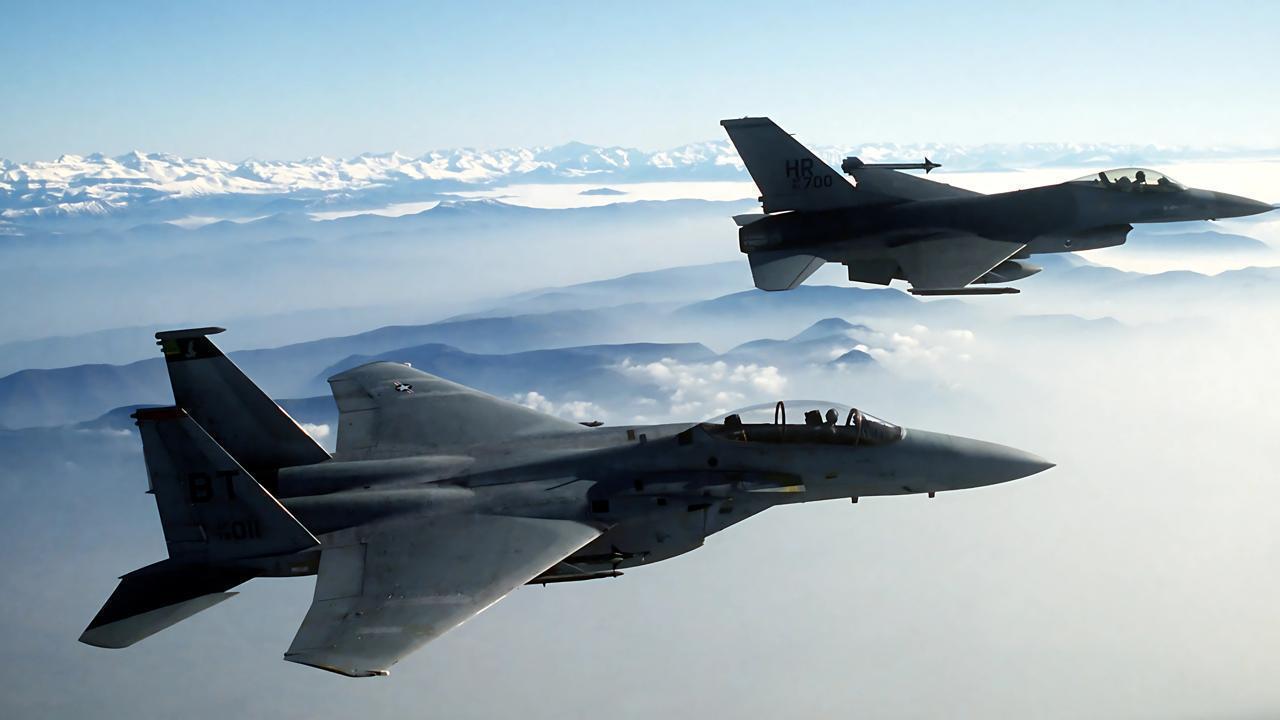
June 26, 2025 | Washington, D.C. -The future of aerial warfare is fast approaching—and it doesn’t need a pilot in the cockpit. The United States’ next-generation Collaborative Combat Aircraft (CCA) program is capturing the attention of global defense circles, offering a glimpse into a new era of smart, autonomous airpower. Originally designed to support advanced fighters like the F-35 and NGAD (Next Generation Air Dominance), these AI-enabled, jet-powered drones are now generating significant international interest. Allied nations are b eginning to see CCAs as a way to modernize their forces without bearing the immense financial and logistical burden of building full sixth-generation fighter systems.
Collaborative Combat Aircraft are engineered to operate seamlessly alongside manned jets, acting as autonomous force multipliers that can share tasks such as surveillance, electronic warfare, precision strikes, and targeting. Equipped with AI-driven mission adaptability, real-time sensor fusion, and low-observable designs, CCAs are capable of executing complex operations with little or no human intervention. They’re designed not only to increase lethality and survivability, but also to expand operational reach and provide real-time support in contested environments—where speed, flexibility, and resilience are critical.
As the U.S. Department of Defense accelerates its development of these platforms under programs like the Air Force’s NGAD initiative, conversations with key allies are already underway. Countries like Australia, the United Kingdom, Japan, and several NATO partners are engaging in informal discussions to explore acquisition options or co-development paths. For many, the strategic appeal is clear: CCAs offer the ability to extend airpower without placing pilots at risk, to deploy rapidly in regional flashpoints, and to project deterrence with a high-end unmanned presence. These aircraft could offer a cost-effective, adaptable solution for mid-sized militaries that want to modernize without fielding an entirely new generation of manned fighters.
This international momentum reflects a broader trend, as nations look to programs like Boeing Australia’s MQ-28 Ghost Bat, India’s CATS Warrior, and Europe’s FCAS adjunct drones for inspiration. However, bringing U.S.-developed CCAs into the hands of allies is not without major hurdles. Exporting these advanced platforms involves navigating strict U.S. defense regulations, particularly under ITAR (International Traffic in Arms Regulations), which restrict the transfer of sensitive technologies. There are also complex policy debates surrounding the use of AI in combat, especially regarding mission autonomy, data security, and ethical oversight. Concerns about encrypted communications, cybersecurity, and system integrity are paramount, particularly when uncrewed aircraft are expected to operate in hostile environments and carry out lethal missions.
To address these challenges, U.S. officials are reportedly evaluating the concept of “tiered capability” variants—scaled-down export versions of CCAs that feature reduced autonomy, limited sensor suites, or secure communication protocols designed specifically for international users. This strategy would allow the U.S. to share critical capabilities with trusted partners while preserving its technological edge and national security safeguards. It could also mirror past approaches used for exporting stealth aircraft and drones, offering interoperability without compromising classified capabilities.
Meanwhile, the domestic competition to shape the U.S. CCA fleet is heating up. Industry leaders including Lockheed Martin, Boeing, Anduril Industries, General Atomics, and Northrop Grumman are deep into development, each pursuing modular, high-endurance, and semi-stealthy designs with open software architectures. These platforms are expected to support a range of missions from distributed operations to swarming tactics, while collaborating intelligently with crewed aircraft through AI-powered decision-making. Although details remain classified, early prototypes reportedly resemble agile, survivable drones built for dynamic combat environments—designed to evolve with software updates and reconfiguration rather than hardware overhauls.
For allies, especially in regions like the Indo-Pacific, the strategic importance of CCAs is hard to overstate. Countries such as Japan and Australia see these drones as critical tools to extend their defense reach, protect vast maritime borders, and respond quickly to emerging threats—all without the strain of adding more pilots or purchasing dozens of costly manned jets. In these cases, CCAs represent not only a leap in technology but a fundamental shift in how airpower is conceived, projected, and sustained.
As the CCA program matures, it is increasingly being viewed not just as a next-gen defense initiative for the United States, but as a potential cornerstone of international airpower collaboration. With smart autonomy, scalable design, and unmatched mission flexibility, CCAs could become the next big U.S. defense export—much like the F-35 has been over the past decade. If managed carefully, this emerging market could foster deeper global defense partnerships, stimulate innovation in AI and autonomy, and redefine the future of coalition air combat for the next generation.Tools
Dorne, World



Advances in Aerospace Technology and Commercial Aviation Recovery
Insights into breakthrough aerospace technologies and commercial aviation’s recovery amid 2025 chall

Defense Modernization and Strategic Spending Trends
Explore key trends in global defense modernization and strategic military spending shaping 2025 secu

Tens of Thousands Protest in Serbia on Anniversary of Deadly Roof Collapse
Tens of thousands in Novi Sad mark a year since a deadly station roof collapse that killed 16, prote

Canada PM Carney Apologizes to Trump Over Controversial Reagan Anti-Tariff Ad
Canadian PM Mark Carney apologized to President Trump over an Ontario anti-tariff ad quoting Reagan,

The ad that stirred a hornets nest, and made Canadian PM Carney say sorry to Trump
Canadian PM Mark Carney apologizes to US President Trump after a tariff-related ad causes diplomatic

Bengaluru-Mumbai Superfast Train Approved After 30-Year Wait
Railways approves new superfast train connecting Bengaluru and Mumbai, ending a 30-year demand, easi




