Post by : Saif
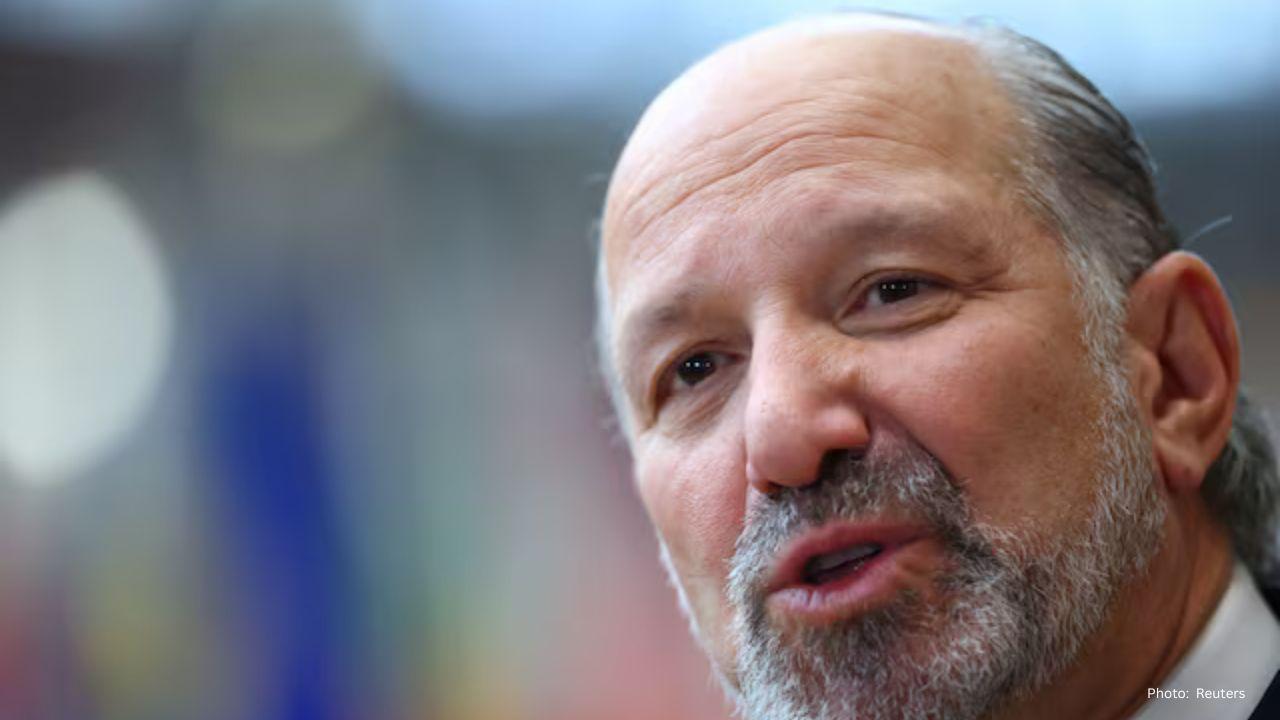
The United States has announced that it will lower tariffs on cars imported from South Korea to 15%, and the change will be applied retroactively from November 1. U.S. Commerce Secretary Howard Lutnick confirmed the decision on Tuesday through a message posted on X. This development marks a major step in the trade agreement reached between the two countries last month.
The tariff cut comes after South Korea introduced a bill to support its investment commitments in the United States. These commitments are part of a larger economic deal aimed at strengthening cooperation, boosting industry, and creating a more balanced trade environment between Seoul and Washington.
Lutnick explained that the new tariff rate will now match the reciprocal tariffs already applied to Japan and the European Union. This adjustment brings South Korea into the same category as other key U.S. trade partners, reducing previous gaps and making competition fairer across the international market.
The decision to lower tariffs is expected to support South Korean carmakers, who have a strong presence in the U.S. auto market. Lower import duties could help companies like Hyundai and Kia become even more competitive by reducing costs for consumers and improving market access.
This move also signals deeper economic trust between South Korea and the U.S. Over recent years, both countries have worked to strengthen ties not only through trade but also through investments in key industries. South Korea’s pledge to make major investments in American manufacturing and technology appears to have played a central role in the tariff reduction.
The change in tariff policy is part of a broader strategy to stabilize trade relationships during a time of global economic uncertainty. For the U.S., aligning South Korea’s tariffs with those of Japan and the EU helps create a more uniform and predictable trade system. For South Korea, the lower tariff rate offers new opportunities to expand its exports in one of the world’s largest consumer markets.
The announcement follows a series of high-level trade discussions, including meetings between Lutnick and top European officials in Brussels last month. These talks show that the U.S. is actively adjusting its trade policies to reflect shifting economic conditions and strategic partnerships.
As the new tariff rules take effect, both countries are expected to benefit. The U.S. gains from South Korea’s planned investments in American industries, while South Korea sees improved access to the U.S. market. The decision highlights how coordinated economic policies can support stronger international partnerships and long-term growth.
#trending #latest #USTariffs #SouthKorea #AutoIndustry #TradeAgreement #HowardLutnick #USEconomy #GlobalTrade #KoreaUSRelations #Hyundai #Kia



Advances in Aerospace Technology and Commercial Aviation Recovery
Insights into breakthrough aerospace technologies and commercial aviation’s recovery amid 2025 chall

Defense Modernization and Strategic Spending Trends
Explore key trends in global defense modernization and strategic military spending shaping 2025 secu

Tens of Thousands Protest in Serbia on Anniversary of Deadly Roof Collapse
Tens of thousands in Novi Sad mark a year since a deadly station roof collapse that killed 16, prote

Canada PM Carney Apologizes to Trump Over Controversial Reagan Anti-Tariff Ad
Canadian PM Mark Carney apologized to President Trump over an Ontario anti-tariff ad quoting Reagan,

The ad that stirred a hornets nest, and made Canadian PM Carney say sorry to Trump
Canadian PM Mark Carney apologizes to US President Trump after a tariff-related ad causes diplomatic

Bengaluru-Mumbai Superfast Train Approved After 30-Year Wait
Railways approves new superfast train connecting Bengaluru and Mumbai, ending a 30-year demand, easi




