Post by : Saif
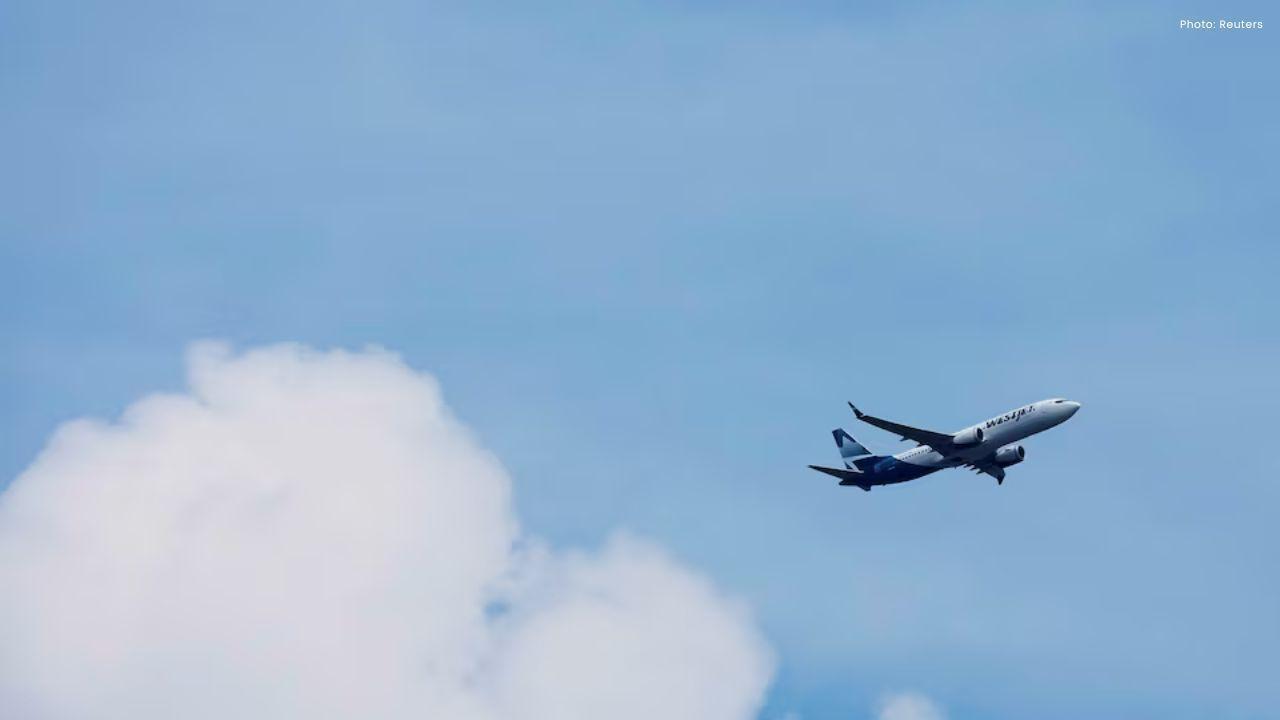
Canada’s WestJet has learned a hard lesson about how far airlines can go when reducing comfort for economy class passengers. The airline recently reversed a plan to introduce tighter seating on some of its planes after videos of unhappy travelers spread quickly online. The incident has now become a warning sign for airlines across North America that are trying to earn more money by adding premium seats while squeezing space in the back of the plane.
WestJet had changed part of its Boeing 737 fleet to make room for more premium seating and extra economy seats. To fit these changes, some economy rows were given fixed seats that could not recline, and legroom was reduced from 30 inches to just 28 inches. Passengers soon complained that the seats were too cramped, especially on longer flights. Videos showing travelers struggling to sit comfortably went viral, forcing the airline to step back from its plan.
The airline said the changes were meant to offer more choices at different price levels. However, many critics saw the move as another example of airlines slowly lowering the quality of economy travel. Industry analysts say the strong reaction shows there is a clear limit to what passengers are willing to accept, even when tickets are cheaper.
Across North America, airlines are changing their cabins to focus more on higher-paying customers. Carriers like Delta, United, and American have told investors that demand for premium seats is stronger than demand for the cheapest fares. Delta has even reported that revenue from premium cabins recently exceeded revenue from regular economy seats for the first time.
As airlines add more premium sections, economy passengers often face smaller seats, less legroom, and fewer free services. Many airlines now charge extra for things that were once included, such as choosing a seat or bringing a carry-on bag. Even airlines known for budget-friendly policies are shifting. Southwest, famous for open seating, is moving to assigned seats and paid options for extra legroom.
Airline executives argue that these changes help keep base ticket prices low while covering rising costs like fuel, labor, and maintenance. Industry data shows that while average airfares have dropped slightly, airlines are earning more from extra fees. Still, passenger advocates warn that these fees can make a cheap ticket more expensive than expected.
The WestJet case also raised safety concerns. Some flight attendants and passengers worried that tighter seating could slow down emergency evacuations. Others said the reduced space made it hard to sit in the correct safety position. While regulators confirmed the new layout met safety rules, the public reaction showed that comfort and dignity still matter deeply to travelers.
Many analysts believe the backlash was so strong because it crossed a basic line. Passengers accept that economy travel is simple, but they still expect a seat that fits a normal adult. One passenger whose video gained wide attention summed it up clearly, saying that buying a seat should not require paying extra just to fit properly.
WestJet’s quick reversal suggests airlines must be careful. While premium cabins may bring higher profits, most travelers still fly economy. If airlines push too hard, passengers may respond with complaints, bad publicity, and lost loyalty. The episode shows that even in a competitive industry, there are limits to how much comfort can be taken away before customers push back.
#trending #latest #WestJet #AirlineIndustry #EconomyClass #PassengerRights #AirTravel #AviationNews #ConsumerVoice



Advances in Aerospace Technology and Commercial Aviation Recovery
Insights into breakthrough aerospace technologies and commercial aviation’s recovery amid 2025 chall

Defense Modernization and Strategic Spending Trends
Explore key trends in global defense modernization and strategic military spending shaping 2025 secu

Tens of Thousands Protest in Serbia on Anniversary of Deadly Roof Collapse
Tens of thousands in Novi Sad mark a year since a deadly station roof collapse that killed 16, prote

Canada PM Carney Apologizes to Trump Over Controversial Reagan Anti-Tariff Ad
Canadian PM Mark Carney apologized to President Trump over an Ontario anti-tariff ad quoting Reagan,

The ad that stirred a hornets nest, and made Canadian PM Carney say sorry to Trump
Canadian PM Mark Carney apologizes to US President Trump after a tariff-related ad causes diplomatic

Bengaluru-Mumbai Superfast Train Approved After 30-Year Wait
Railways approves new superfast train connecting Bengaluru and Mumbai, ending a 30-year demand, easi




