Post by : Amit
Photo : X / dak prescott jr
Wisk Partners with Miami to Pioneer Autonomous Air Taxi Network
Wisk Aero has signed two Memoranda of Understanding (MoUs) with Miami-Dade County and the Miami-Dade Aviation Department (MDAD) to advance the deployment of autonomous electric air taxi services in South Florida. The agreements mark a bold step forward for Wisk, the California-based advanced air mobility (AAM) company backed by Boeing, as it moves closer to making self-flying, zero-emission aircraft a reality in U.S. cities.
The MoUs position Miami as one of the first major metropolitan areas actively working with an autonomous eVTOL (electric vertical take-off and landing) company to explore operational readiness, infrastructure needs, public education, and regulatory frameworks for driverless air taxis. While commercial service may still be several years away, the groundwork is now officially underway.
A Strategic Partnership Rooted in Urban Mobility Innovation
Wisk’s collaboration with Miami-Dade and MDAD is designed to lay the foundation for the future of AAM. The MoUs establish a cooperative framework through which the parties will evaluate the technical, operational, economic, and environmental considerations of launching autonomous air taxi service in the region.
Miami-Dade Mayor Daniella Levine Cava called the partnership “a forward-looking alliance that sets the tone for the next era of transportation,” emphasizing the region’s desire to be at the forefront of sustainable, high-tech mobility solutions.
The agreements will see joint efforts across multiple city departments and airport systems to plan for safe integration of autonomous aircraft into existing transport infrastructure. This includes assessments of vertiport locations, potential integration with ground transit, emergency response protocols, and noise and airspace impact studies.
Why Miami Makes Sense for Autonomous Air Travel
Few urban regions in the U.S. are better suited to test autonomous air taxi services than Miami-Dade County. The area is known for high traffic congestion, intercity connectivity challenges, and rapid population growth. At the same time, it boasts a geography that is ideal for short-hop air mobility—flat terrain, expansive coastlines, and a strong network of transportation hubs including Miami International Airport (MIA), regional heliports, and seaplane bases.
The weather and regulatory environment in Florida, coupled with the state’s proactive approach to transportation innovation, make Miami a compelling pilot city for Wisk’s first commercial operations.
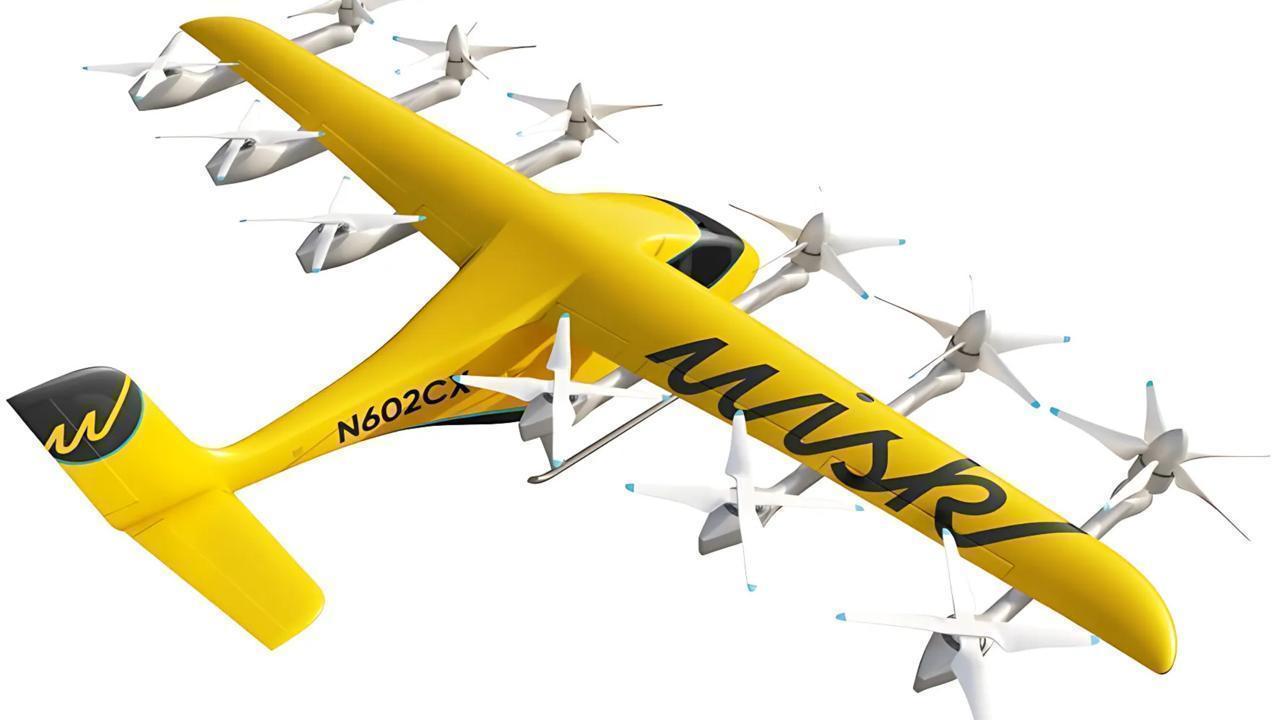
Wisk’s eventual goal is to offer fully autonomous passenger flights using its Generation 6 aircraft, which was unveiled in late 2022. This four-passenger eVTOL is designed for autonomous flight with human oversight from a ground-based fleet supervisor. The company has stated that its aircraft will operate with vertical takeoffs and landings, enabling service in dense urban environments with minimal footprint.
What the MoUs Cover: From Policy to Public Engagement
Under the new agreements, Wisk and local officials will collaborate on four main areas: infrastructure planning, regulatory compliance, community integration, and public education. Specifically:
Miami-Dade Aviation Department Director Ralph Cutié noted that “collaborating early allows us to evaluate impacts and ensure the highest level of safety and public trust before any passenger service is launched.”
A Step Toward Commercial Launch in the U.S.
While Wisk has been active in testing and prototyping for years, this is among the company’s most advanced efforts toward market entry in the United States. The Miami MoUs follow similar agreements signed with the Long Beach Economic Partnership in California and Skyports Infrastructure for vertiport development.
Wisk’s Generation 6 aircraft remains under development and is progressing through FAA certification. The company aims to be the first AAM firm to achieve FAA type certification for a fully autonomous eVTOL. Once certified, Wisk plans to launch commercial service within a few years, initially targeting short-range intercity trips ranging from 10 to 50 miles.
Wisk’s Vice President of Government Relations, Tyler Means, said the Miami partnership “represents the real-world application of a decade of development. We’re preparing to deliver on the promise of safe, everyday autonomous flight.”
The Competitive Race for Urban Skies
Wisk’s announcement intensifies the growing competition among eVTOL developers and cities vying to lead in next-gen air transport. Companies like Joby Aviation, Archer Aviation, and Volocopter are also pursuing air taxi operations in key U.S. and global markets. But most of those efforts focus on piloted aircraft. Wisk remains the only major AAM firm exclusively targeting fully autonomous, passenger-carrying eVTOLs for first launch.
Wisk’s strategy is high-risk, high-reward. Autonomous flight requires solving not only battery and flight safety challenges, but also developing robust onboard AI systems, cybersecurity protections, and rigorous emergency management protocols. Miami’s support gives Wisk an opportunity to test and deploy those systems with government collaboration, not opposition.
Meanwhile, FAA and NASA continue to work on policies and simulations to support the safe introduction of autonomous aircraft into national airspace. The FAA’s Urban Air Mobility Integration Strategy, released in 2023, outlines a phased approach to certifying and operating eVTOLs—both piloted and autonomous—through 2035.
Public Acceptance
Perhaps the greatest challenge facing Wisk isn’t technical—it’s cultural. Public acceptance of autonomous flying taxis will require trust, familiarity, and robust safety records. Miami-Dade County plans to involve community groups, universities, emergency services, and transportation planners in ongoing workshops to demystify the technology and highlight its benefits.
Surveys have shown that most urban residents are intrigued by air taxis, but hesitant about autonomy. That’s why community engagement—starting now—is a core pillar of Wisk’s Miami strategy. Local leaders believe that real-world engagement, supported by transparent data sharing and trial flights, will make a long-term difference in public perception.
A New Chapter in Urban Transportation
The signing of MoUs between Wisk, Miami-Dade County, and MDAD represents far more than a simple agreement—it marks the beginning of a transformational shift in how cities think about mobility, climate goals, and public-private innovation.
By joining forces early in the development process, Wisk and Miami are building a framework that could become a model for other cities worldwide. As airspace becomes the next frontier in urban transport, collaborative efforts like this will determine whether autonomous air taxis take off—or stay grounded in theory.
With the backing of Boeing, regulatory momentum, and Miami’s forward-thinking leadership, Wisk is positioning itself not only as a technology pioneer, but as a credible provider of everyday airborne mobility. The race for the skies is on, and Miami is officially on the flight path.
Aviation, Miami, Advance Air Taxi



Advances in Aerospace Technology and Commercial Aviation Recovery
Insights into breakthrough aerospace technologies and commercial aviation’s recovery amid 2025 chall

Defense Modernization and Strategic Spending Trends
Explore key trends in global defense modernization and strategic military spending shaping 2025 secu

Tens of Thousands Protest in Serbia on Anniversary of Deadly Roof Collapse
Tens of thousands in Novi Sad mark a year since a deadly station roof collapse that killed 16, prote

Canada PM Carney Apologizes to Trump Over Controversial Reagan Anti-Tariff Ad
Canadian PM Mark Carney apologized to President Trump over an Ontario anti-tariff ad quoting Reagan,

The ad that stirred a hornets nest, and made Canadian PM Carney say sorry to Trump
Canadian PM Mark Carney apologizes to US President Trump after a tariff-related ad causes diplomatic

Bengaluru-Mumbai Superfast Train Approved After 30-Year Wait
Railways approves new superfast train connecting Bengaluru and Mumbai, ending a 30-year demand, easi




