Post by : Amit
Photo : X / Autocar
A Bold Leap From Phones to EVs on European Streets
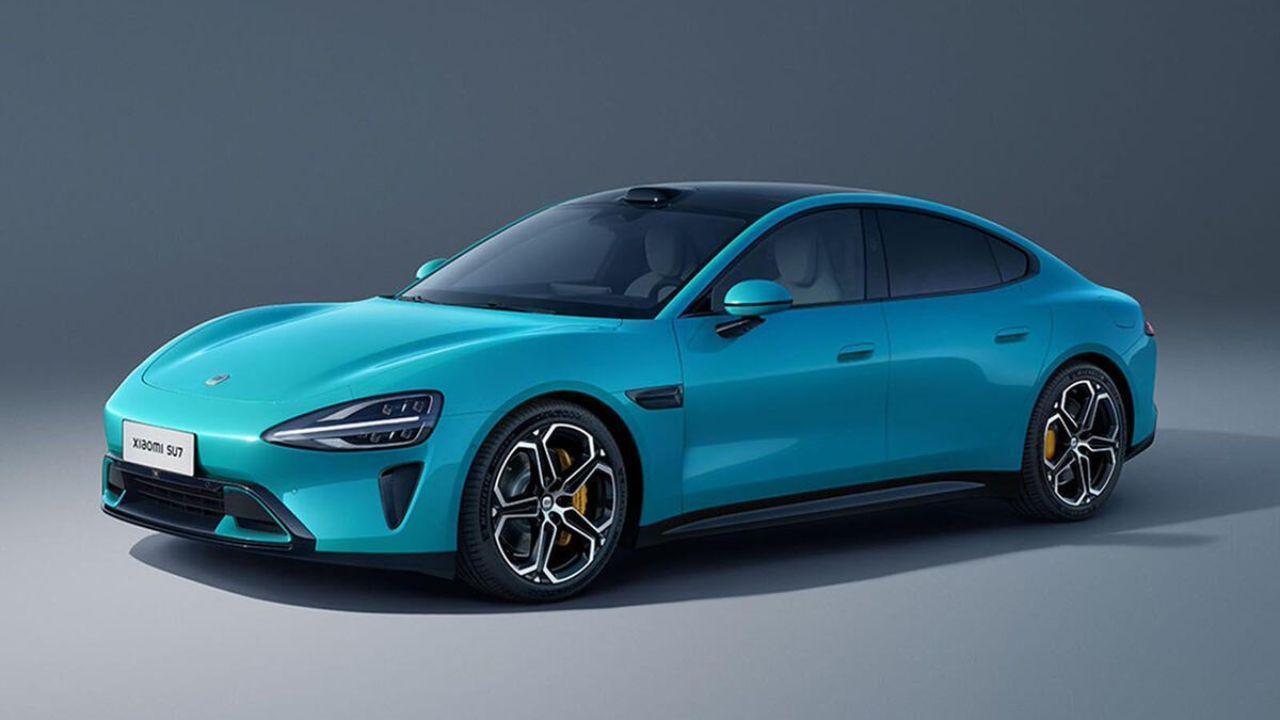
Once known primarily for smartphones and smart gadgets, Xiaomi is steering confidently into the electric vehicle (EV) arena—and setting its sights on Europe. After an overwhelming domestic debut with its SU7 sedan and YU7 SUV, the company confirmed plans to enter the European EV market by 2027, aiming to compete head-to-head with industry leaders like Tesla and BYD. This move signals Xiaomi’s ambition to become a global force in smart mobility.
Win in China Fuels Global Ambitions
Xiaomi’s EV success in China has been meteoric. The SU7 and YU7 have both captured widespread consumer interest, with tens of thousands of deliveries already completed and long order backlogs testing the brand’s production capacity. With demand far outstripping supply, Xiaomi is focusing on building product reputation at home before launching abroad—a strategy geared toward securing brand loyalty and operational strength before tackling new markets.
Suing European Roads with SU7 and YU7
Xiaomi is likely to introduce two flagship models in Europe: the aerodynamic SU7 saloon and the performance-focused YU7 SUV. The SU7 stretches luxury EV expectations with hints of supercar lineage and tech-rich interiors, while the YU7 offers mid-size crossover practicality with Hyundai-level performance. Their appeal lies in blending cutting-edge software, well-integrated gadgets, and premium quality at competitive prices—traits that could resonate strongly with European consumers.
Bridging Tech Expertise with Automotive Design
What sets Xiaomi apart is its deep ecosystem—connecting smartphones, smart homes, and EVs through an interconnected software experience. Models like the SU7 and YU7 are expected to embody this ecosystem, featuring HyperVision displays, HyperOS interfaces, and seamless linkage with other Xiaomi devices. In Europe, where tech-savvy consumers value connectivity and driving sophistication, these features may prove a decisive advantage over established automakers.
Building Local Expertise through Strategic Talent Acquisitions
Xiaomi isn’t just shipping cars overseas—it’s cultivating European know-how. The company has recruited senior executives from BMW and other premium automakers to lead its European R&D team, setting up operations to adapt models for local regulations, driving conditions, and consumer tastes. This hands-on, regionally anchored strategy reflects a maturation beyond the generic export model; Xiaomi plans to be an integrated, intelligent competitor in Europe.
Boosting Output to Meet Global Demand
Xiaomi’s challenge is clear. It needs to expand production to transition from serving domestic orders to shipping units abroad—a significant logistical hurdle. However, aggressive plans, including factory expansions and optimized production cycles, aim to raise annual output from a few hundred thousand to eventually over a million EVs per year. If executed well, Xiaomi could achieve critical scale quickly—just in time for its planned European launch.
European Competition Won’t Back Down
Europe’s EV market is fiercely competitive. Tesla continues expanding with local plants and mature software, while BYD is pushing affordable models across the continent. Traditional automakers are electrifying their lineups with credible alternatives. Xiaomi will need to deliver exceptional value, local features, and strong after-sales support to emerge as more than just another smart device maker entering cars.
Impact on the EV Ecosystem and Consumer Choice
A successful launch from Xiaomi could expand EV choice in Europe significantly. Competitive pricing, seamless software ecosystems, and high performance could shake up the market. Consumers might benefit from diversified offerings and innovation pressure on incumbents. Xiaomi brings fresh urgency to the market—forcing legacy brands to step up in price, features, or software.
From Concept to Cars on European Streets
From concept reveal to full market entry, Xiaomi is taking a structured approach. Launching abroad in 2027 positions it well to refine user experience, production, and logistics while meeting strong home demand. By then, software localization, regulatory compliance, and dealer networks can be in place—setting the stage for an ambitious European entry.
A Smartphone Maker Turned EV Challenger
Xiaomi’s bold pivot from smartphones to EVs shows no sign of slowing. By combining consumer electronics expertise with automotive ambition, it is crafting a unique value proposition—connected, affordable, high-performance EVs. The 2027 European launch isn’t just an expansion—it’s a statement. One that says Xiaomi is ready not only to compete—but to disrupt the EV space just as it did with mobile devices.
Xiaomi Europe EV launch, Xiaomi EV Europe, Challenge Tesla BYD



Advances in Aerospace Technology and Commercial Aviation Recovery
Insights into breakthrough aerospace technologies and commercial aviation’s recovery amid 2025 chall

Defense Modernization and Strategic Spending Trends
Explore key trends in global defense modernization and strategic military spending shaping 2025 secu

Tens of Thousands Protest in Serbia on Anniversary of Deadly Roof Collapse
Tens of thousands in Novi Sad mark a year since a deadly station roof collapse that killed 16, prote

Canada PM Carney Apologizes to Trump Over Controversial Reagan Anti-Tariff Ad
Canadian PM Mark Carney apologized to President Trump over an Ontario anti-tariff ad quoting Reagan,

The ad that stirred a hornets nest, and made Canadian PM Carney say sorry to Trump
Canadian PM Mark Carney apologizes to US President Trump after a tariff-related ad causes diplomatic

Bengaluru-Mumbai Superfast Train Approved After 30-Year Wait
Railways approves new superfast train connecting Bengaluru and Mumbai, ending a 30-year demand, easi




