Post by : Amit
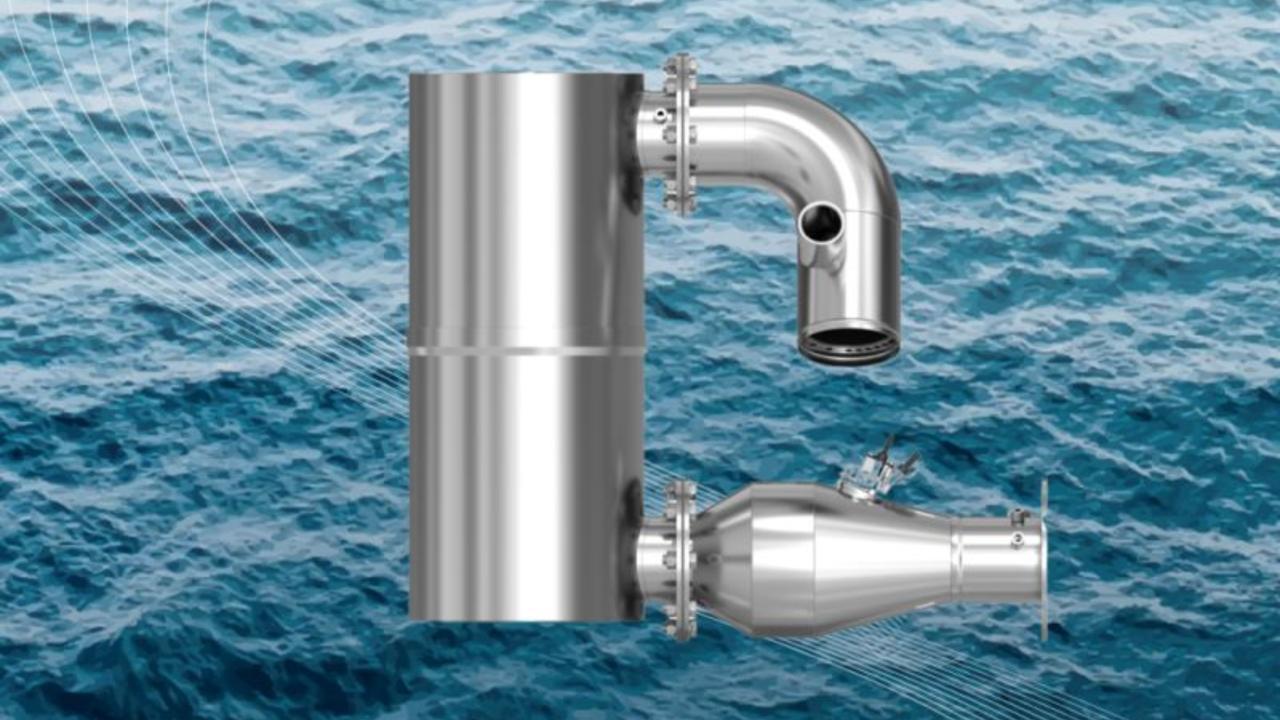
Photo : LinkedIn / YANMAR Marine International B.V.
A Major Leap in Eco-Friendly Marine Engineering
In a bold move toward sustainable marine operations, Yanmar has launched a new Selective Catalytic Reduction (SCR) system for its popular 6LY series marine diesel engines, achieving an impressive 90% reduction in nitrogen oxide (NOx) emissions. The breakthrough positions the Japanese marine technology giant as a front-runner in meeting stringent IMO Tier III environmental regulations.
Yanmar’s SCR system is tailored specifically for high-performance leisure and light-duty commercial vessels, such as patrol boats and fishing crafts, marking a significant milestone for smaller vessels striving to comply with evolving emissions norms.
A Cleaner Horizon for Small Vessel Operations
While commercial ships have long been targeted for emissions compliance, small marine vessels have often operated in regulatory blind spots. Yanmar’s innovation directly addresses this challenge by adapting cutting-edge emissions control technology for smaller marine diesel engines—a segment that typically lacked access to high-efficiency exhaust treatment systems.
The new SCR system ensures Yanmar’s 6LY series engines, which are widely used in light-duty crafts, can now comply with IMO Tier III standards, particularly critical for operations in Emission Control Areas (ECAs) such as parts of Europe, North America, and East Asia.
What is the SCR System and How Does it Work?
SCR, or Selective Catalytic Reduction, is a method of injecting urea-based solutions (commonly known as AdBlue or DEF) into the exhaust stream of a diesel engine. This reacts with NOx gases in the presence of a catalyst, converting them into harmless nitrogen and water vapor.
Yanmar’s proprietary SCR system integrates seamlessly into its 6LY engines and is engineered to require minimal modifications to the vessel’s layout. The company also emphasized ease of installation and operational simplicity, making it ideal for retrofits and newbuilds alike.
A Targeted Response to IMO Tier III Regulations
The International Maritime Organization’s Tier III emissions standards, enforced in designated ECAs, require ships to reduce NOx emissions by over 80% compared to Tier I levels. Yanmar’s SCR solution exceeds this benchmark, achieving a 90% reduction while maintaining the performance characteristics of the original 6LY engines.
This balance between emissions control and power output is crucial, especially for operators in sectors like coastal tourism, patrol enforcement, and artisanal fishing, where downtime or performance loss could have significant economic impact.
A Modular Design for Seamless Integration
According to Yanmar, the SCR system was designed with modular architecture, allowing it to fit flexibly into various engine room configurations. The compact footprint means the system doesn't encroach on valuable space—an important factor in smaller boats with limited engine compartments.
In addition, it includes a user-friendly monitoring and control interface, enabling operators to check urea levels, emissions status, and system health in real time. The diagnostics can be remotely accessed, enhancing operational safety and predictive maintenance.
Strategic Timing for a Growing Green Wave
The unveiling comes at a time when regulatory pressure on shipping emissions is intensifying globally. With the EU’s FuelEU Maritime regulations, California’s stricter port entry criteria, and Japan’s own net-zero roadmap, vessel owners are now forced to take emissions compliance seriously—regardless of vessel size.
Yanmar’s latest product positions the company to support fleet operators transitioning to low-emission solutions without requiring engine replacements. It’s a practical option for retrofitting existing 6LY-powered vessels, many of which remain in active service.
A Market-Driven Green Shift
In recent years, commercial buyers and private yacht owners alike have become increasingly eco-aware. Ports and marinas across Europe and Asia have started offering incentives and preferential docking for low-emission vessels. Simultaneously, many maritime clients are now requesting vessels that comply with future-ready emissions norms as a baseline.
Yanmar’s 90% NOx reduction technology answers this market demand, giving operators not just regulatory peace of mind but also potential operational advantages and reputational gains.
A Long Legacy of Environmental Innovation
Yanmar has a long-standing reputation for environmental stewardship. The company was among the first to introduce common rail diesel injection for marine engines and has invested heavily in hybrid propulsion, biofuel compatibility, and now aftertreatment systems like SCR.
This SCR launch is another testament to Yanmar’s multi-pronged sustainability strategy, showing that cleaner propulsion is not reserved for mega ships—it’s scalable across vessel classes.
Expert Reactions from the Maritime Industry
Marine engine analysts and naval architects welcomed the innovation, calling it a “missing link” in emissions control for small to mid-sized vessels.
Erik Nielsen, a propulsion specialist at Nordic Marine Solutions, noted:
“Until now, Tier III compliance often meant sacrificing space, money, or engine performance. Yanmar’s SCR system looks like it overcomes those trade-offs in a smart, scalable way.”
Toward Electrification and Hybridization?
While SCR helps reduce NOx, it's only one piece of the decarbonization puzzle. Yanmar hinted that its new SCR module could also integrate with future hybrid systems, making it part of a broader green propulsion roadmap.
The company continues to invest in R&D around electrification, fuel cells, and low-carbon marine fuels, ensuring that operators who adopt the SCR today can still evolve their vessels toward zero-emission operation tomorrow.
A Critical Step Toward Sustainable Seas
With this latest innovation, Yanmar has sent a clear signal to the maritime world: emissions reduction is achievable without compromise. Their 6LY SCR system is more than an engineering upgrade—it’s a solution that enables operators to meet rising regulatory expectations, satisfy environmentally conscious customers, and future-proof their fleets.
As emission regulations tighten and sustainability becomes not just a choice but a necessity, technologies like Yanmar’s SCR system are no longer optional—they’re the new standard for responsible marine propulsion.
Marine NOx Reduction, SCR Marine Engine



Advances in Aerospace Technology and Commercial Aviation Recovery
Insights into breakthrough aerospace technologies and commercial aviation’s recovery amid 2025 chall

Defense Modernization and Strategic Spending Trends
Explore key trends in global defense modernization and strategic military spending shaping 2025 secu

Tens of Thousands Protest in Serbia on Anniversary of Deadly Roof Collapse
Tens of thousands in Novi Sad mark a year since a deadly station roof collapse that killed 16, prote

Canada PM Carney Apologizes to Trump Over Controversial Reagan Anti-Tariff Ad
Canadian PM Mark Carney apologized to President Trump over an Ontario anti-tariff ad quoting Reagan,

The ad that stirred a hornets nest, and made Canadian PM Carney say sorry to Trump
Canadian PM Mark Carney apologizes to US President Trump after a tariff-related ad causes diplomatic

Bengaluru-Mumbai Superfast Train Approved After 30-Year Wait
Railways approves new superfast train connecting Bengaluru and Mumbai, ending a 30-year demand, easi




