Post by : Meena Rani
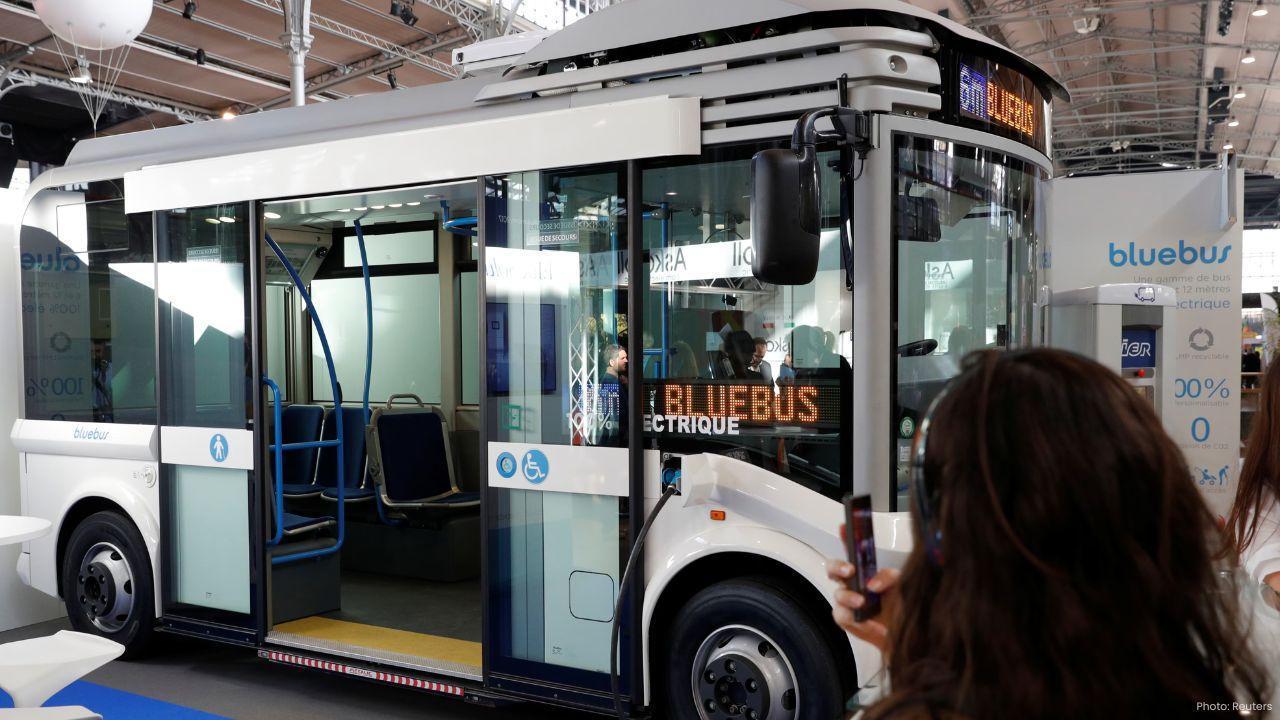
Chandigarh is gearing up for a major boost in eco-friendly public transport as the city prepares to introduce 100 new electric buses. The legal hurdle around the tender, which was pending at the Delhi High Court, has finally been cleared, allowing the Ministry of Housing and Urban Affairs (MoHUA) to move forward with the project.
The ministry has now sought consent from the agency that quoted the lowest price for supplying the buses. This agency had previously been denied the tender due to the court case. Once the consent is received, MoHUA will issue the work order and Letter of Intent (LoI). If the agency does not agree, MoHUA will appoint a new supplier to provide the buses. Either way, Chandigarh is expected to get these buses by the end of this year or early next year.
With the arrival of these 100 buses, Chandigarh’s electric bus fleet will increase from the current 80 to 180. This is part of a larger push to replace diesel buses with electric vehicles, reducing pollution and operational costs. A senior official from the Chandigarh administration said, “The lowest bid for the electric buses was Rs 61 per bus per kilometre. MoHUA will pay Rs 24 per bus per kilometre, and the remaining cost will be borne by the Chandigarh administration. Replacing 100 diesel buses with electric ones is expected to save Rs 18–20 crore annually.”
The timing is critical as the 100 diesel buses are set to retire by November this year. Sources in the Chandigarh administration stated, “The entire tendering and allotment process is managed by MoHUA, so we are following up closely with the ministry to ensure quick completion of administrative formalities.”
The city’s electric bus expansion also received a significant boost in August when the Central Sanctioning and Steering Committee (CSSC) of MoHUA approved 328 more buses under the PM-eBus Sewa Scheme. With these additions, Chandigarh expects to have over 400 electric buses by the end of 2026. Once fully operational, all diesel buses in the Tricity region will be replaced with electric buses, providing cleaner and more efficient public transport options.
Currently, 80 electric buses operate in Chandigarh. The first lot of 40 buses, with 37 seats each, was introduced on November 13, 2021. The second lot of 40 buses, with 33 seats each, joined the fleet on August 31, 2022. In the 2024–25 financial year, these buses generated Rs 15.3 crore in revenue. The fare structure is simple and affordable: Rs 15 for trips up to 5 km, Rs 25 for 5–15 km, and Rs 30 for journeys over 15 km.
The introduction of new electric buses is expected to make daily commutes smoother, faster, and environmentally friendly. Residents of Chandigarh can look forward to a cleaner Tricity with reduced pollution, lower fuel costs, and modern electric buses running across multiple routes.
Factfile:
Current electric buses: 80
First lot: 40 buses, 37 seats (Nov 2021)
Second lot: 40 buses, 33 seats (Aug 2022)
Revenue 2024–25: Rs 15.3 crore
Fare: Rs 15 (≤5 km), Rs 25 (5–15 km), Rs 30 (>15 km)
Tricity bus expansion, electric bus cost savings, Delhi High Court tender



Advances in Aerospace Technology and Commercial Aviation Recovery
Insights into breakthrough aerospace technologies and commercial aviation’s recovery amid 2025 chall

Defense Modernization and Strategic Spending Trends
Explore key trends in global defense modernization and strategic military spending shaping 2025 secu

Tens of Thousands Protest in Serbia on Anniversary of Deadly Roof Collapse
Tens of thousands in Novi Sad mark a year since a deadly station roof collapse that killed 16, prote

Canada PM Carney Apologizes to Trump Over Controversial Reagan Anti-Tariff Ad
Canadian PM Mark Carney apologized to President Trump over an Ontario anti-tariff ad quoting Reagan,

The ad that stirred a hornets nest, and made Canadian PM Carney say sorry to Trump
Canadian PM Mark Carney apologizes to US President Trump after a tariff-related ad causes diplomatic

Bengaluru-Mumbai Superfast Train Approved After 30-Year Wait
Railways approves new superfast train connecting Bengaluru and Mumbai, ending a 30-year demand, easi




