Post by : Saif
Germany has admitted that it will not be able to reach its own defence spending target of 3.5% of GDP by the year 2029. The announcement was made by Defence Minister Boris Pistorius in Munich on Wednesday. This comes at a time when Germany and many other European countries are increasing defence spending because of the ongoing war between Russia and Ukraine.
Pistorius explained that Germany will spend only 3.05% of its national output on defence in 2029. This is lower than the target announced earlier by Finance Minister Lars Klingbeil, who had said that the country would reach 3.5%. The lower figure indicates that even with current increases, Germany still faces challenges in reaching spending promises.
The European security situation has changed sharply since Russia invaded Ukraine. Many NATO countries have started to invest more in military equipment, defence systems, and training. Germany, one of Europe's largest economies, is trying to modernise its military quickly. However, this process is expensive and requires long-term financial commitment.
At a NATO summit held in The Hague earlier this year, member countries agreed to a new long-term goal. Allies must work toward spending 5% of their GDP on defence by 2035. This target includes 3.5% directly through defence budgets and an additional 1.5% of national spending linked to defence needs, such as military production and industry support.
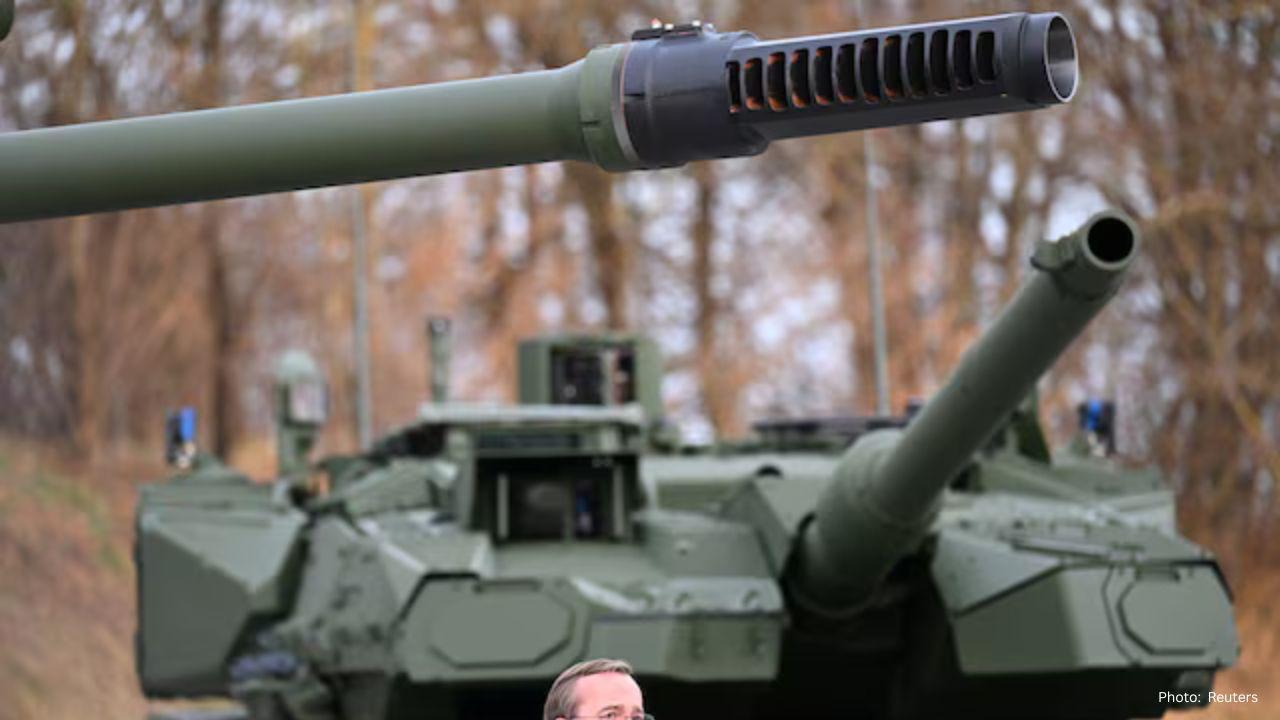
Germany has already begun large investments, including purchasing new tanks and artillery. Pistorius spoke at the roll-out of new Leopard 2A8 tanks in Munich, where he highlighted the progress being made in upgrading the country’s military capabilities. However, he also pointed out that defence spending growth must continue over many years to reach NATO commitments.
Analysts say Germany’s struggle shows how difficult it is for many countries to increase defence budgets while also managing other public spending needs such as healthcare, welfare, and education. The future challenge will be how to balance national financial priorities while meeting new security demands in Europe.
For now, Germany remains committed to improving its military strength but recognizes that its spending goals will take longer to reach than planned. The coming years will show whether economic conditions and political support will make these targets more achievable.
#trending #latest #Germany #DefenceSpending #NATO #BorisPistorius #EuropeSecurity #UkraineWar #MilitaryBudget



Advances in Aerospace Technology and Commercial Aviation Recovery
Insights into breakthrough aerospace technologies and commercial aviation’s recovery amid 2025 chall

Defense Modernization and Strategic Spending Trends
Explore key trends in global defense modernization and strategic military spending shaping 2025 secu

Tens of Thousands Protest in Serbia on Anniversary of Deadly Roof Collapse
Tens of thousands in Novi Sad mark a year since a deadly station roof collapse that killed 16, prote

Canada PM Carney Apologizes to Trump Over Controversial Reagan Anti-Tariff Ad
Canadian PM Mark Carney apologized to President Trump over an Ontario anti-tariff ad quoting Reagan,

The ad that stirred a hornets nest, and made Canadian PM Carney say sorry to Trump
Canadian PM Mark Carney apologizes to US President Trump after a tariff-related ad causes diplomatic

Bengaluru-Mumbai Superfast Train Approved After 30-Year Wait
Railways approves new superfast train connecting Bengaluru and Mumbai, ending a 30-year demand, easi




