Post by : Saif
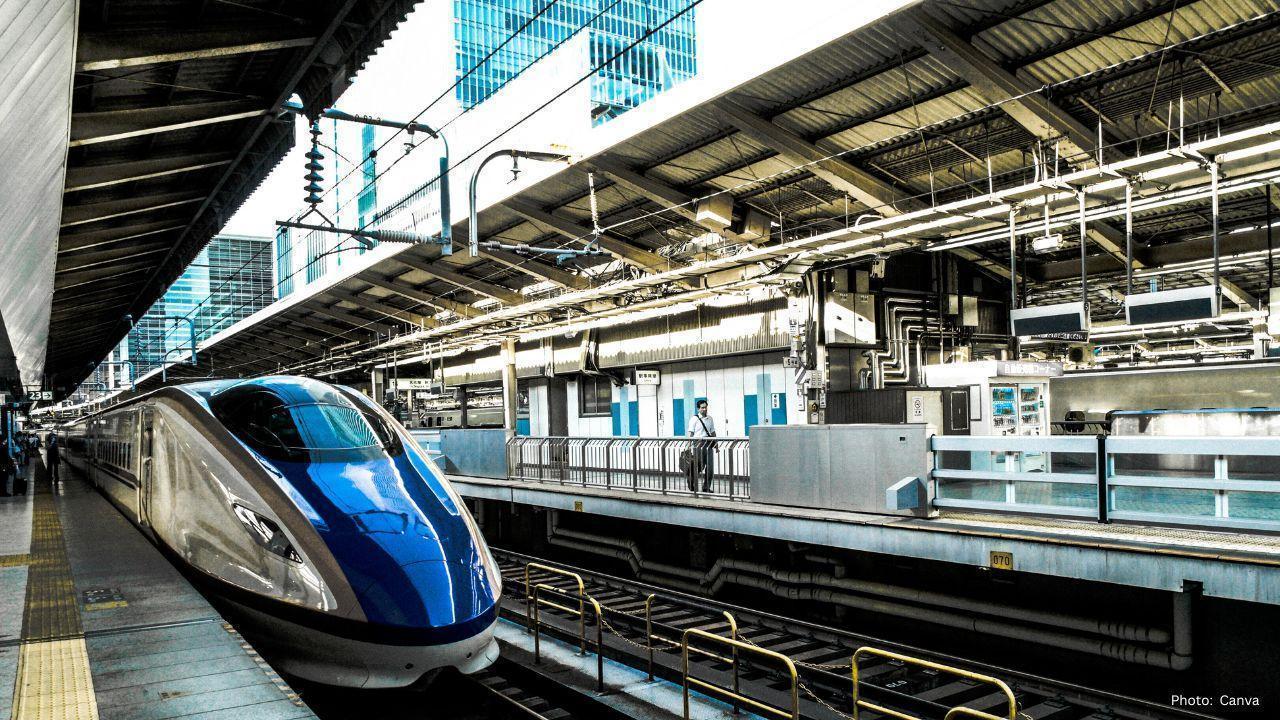
India is getting ready to enter the age of high-speed rail as its first bullet train project moves closer to completion. After years of planning and construction, officials have shared clear details about the route, speed, and expected launch date. This project is seen as a major step forward for the country’s transport system and a symbol of modern development.
The bullet train will run on the Mumbai–Ahmedabad High-Speed Rail corridor. This route covers around 508 kilometers and connects two major economic hubs—Mumbai in Maharashtra and Ahmedabad in Gujarat. Once operational, the journey that currently takes many hours by road or regular train will be completed in just a few hours.
According to government officials, the bullet train service is planned to begin operations on August 15, 2027. The chosen date is important, as it matches India’s Independence Day, giving the launch strong national significance. The goal is to showcase India’s growing ability to build and operate advanced infrastructure projects.
The trains on this route will be based on proven Japanese high-speed rail technology. This system is known worldwide for its strong safety record, smooth rides, and strict time management. Indian passengers can expect clean coaches, modern seating, and a comfortable travel experience unlike traditional long-distance trains.
The bullet train is designed to reach speeds of up to 320 kilometers per hour. At this speed, travel time between Mumbai and Ahmedabad could be reduced to about two to three hours. This will be a major change for business travelers, tourists, and daily commuters who often face long and tiring journeys.
Several important cities will be connected through stations along the route. These include urban centers such as Thane, Surat, Vadodara, and Anand. These stops will allow people from different regions to benefit from high-speed travel, not just passengers from the two main cities.
The project has not been without challenges. Land acquisition delays, technical hurdles, and rising costs pushed the timeline back by several years. Despite these issues, construction work has made steady progress. Large sections of elevated tracks, stations, and tunnels are already in place.
Experts believe the bullet train will bring long-term economic benefits. Faster travel can help businesses grow, improve trade links, and encourage tourism. It may also reduce pressure on roads and airports by offering a reliable alternative for intercity travel.
Safety is another key focus of the project. The high-speed rail system will use advanced signaling, automatic controls, and strong safety barriers. These measures are designed to reduce accidents and ensure smooth operations even at very high speeds.
As India prepares for the final stages of construction and testing, expectations are high. When the first bullet train finally starts running, it will not just shorten travel time but also signal India’s ambition to modernize its transport network. This project could open the door for more high-speed rail corridors across the country in the future.
#trending #latest #IndiaBulletTrain #HighSpeedRail #MumbaiAhmedabad #RailwayDevelopment #TransportNews #InfrastructureIndia #armustnews #FutureOfTravel



Advances in Aerospace Technology and Commercial Aviation Recovery
Insights into breakthrough aerospace technologies and commercial aviation’s recovery amid 2025 chall

Defense Modernization and Strategic Spending Trends
Explore key trends in global defense modernization and strategic military spending shaping 2025 secu

Tens of Thousands Protest in Serbia on Anniversary of Deadly Roof Collapse
Tens of thousands in Novi Sad mark a year since a deadly station roof collapse that killed 16, prote

Canada PM Carney Apologizes to Trump Over Controversial Reagan Anti-Tariff Ad
Canadian PM Mark Carney apologized to President Trump over an Ontario anti-tariff ad quoting Reagan,

The ad that stirred a hornets nest, and made Canadian PM Carney say sorry to Trump
Canadian PM Mark Carney apologizes to US President Trump after a tariff-related ad causes diplomatic

Bengaluru-Mumbai Superfast Train Approved After 30-Year Wait
Railways approves new superfast train connecting Bengaluru and Mumbai, ending a 30-year demand, easi




