Post by : Saif
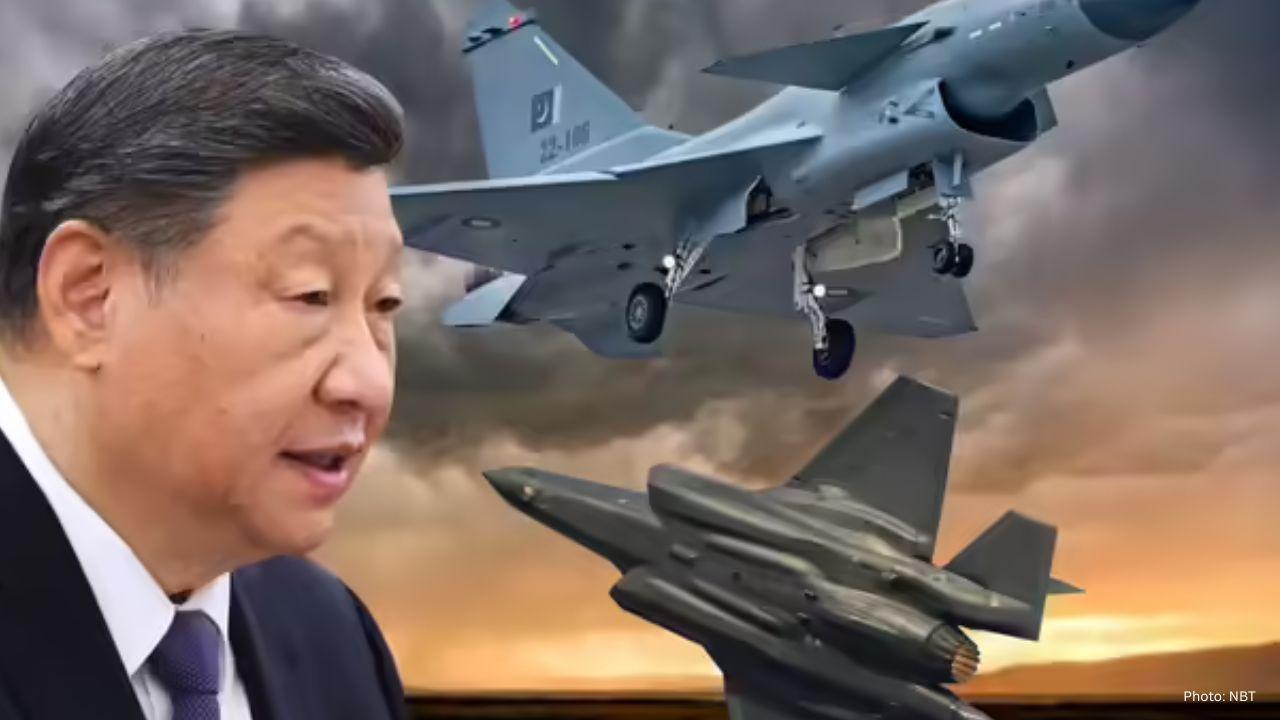
Recent reports from the United States Department of Defense, also known as the Pentagon, have revealed an interesting shift in global military aviation trends. According to these reports, Pakistan is not planning to purchase China’s advanced J-35 stealth fighter jet, even as interest in Chinese-made combat aircraft continues to grow among several Muslim-majority countries.
The J-35 is China’s latest fifth-generation stealth fighter jet. It is designed to compete with advanced aircraft like the US-made F-35. The jet is believed to have stealth features, modern radar systems, and the ability to carry advanced weapons. China has been promoting the J-35 as part of its effort to expand its influence in the global arms market.
Pakistan has long been one of China’s closest defense partners. The two countries jointly developed the JF-17 fighter jet, which is already part of Pakistan’s air force. Because of this close relationship, many observers expected Pakistan to be among the first buyers of the J-35. However, the Pentagon’s assessment suggests that Pakistan is not moving forward with such a purchase at this time.
Experts believe there could be several reasons behind Pakistan’s decision. The J-35 is likely to be very expensive, both to buy and to maintain. Pakistan’s economy has been under pressure, and large defense purchases are difficult to manage. There are also questions about whether the jet is fully ready for export and long-term use.
While Pakistan appears cautious, other Muslim-majority countries are showing growing interest in Chinese fighter jets. These countries may see Chinese aircraft as a more affordable alternative to Western jets, which often come with strict political conditions and high costs. China’s willingness to offer flexible deals and fewer restrictions makes its weapons attractive to many nations.
The Pentagon report points out that China is actively trying to expand its military exports, especially in regions like the Middle East and Africa. By selling advanced aircraft, China hopes to strengthen its strategic ties and increase its global influence. This trend reflects a changing balance in the international arms market, where traditional suppliers face new competition.
At the same time, defense analysts warn that buying advanced fighter jets is not just about price. Training pilots, maintaining the aircraft, and integrating them into existing defense systems are major challenges. Countries must carefully weigh these factors before making long-term commitments.
The news highlights how global defense partnerships are evolving. Pakistan’s decision not to buy the J-35 shows that even close allies make choices based on their own needs and limitations. Meanwhile, the rising interest in Chinese jets among other Muslim nations signals China’s growing role in the world’s defense industry.
As competition in the global arms market increases, decisions like these will continue to shape regional security and international relations in the years ahead.
#trending #latest #J35FighterJet #ChinaDefense #Pakistan #PentagonReport #MilitaryAviation #GlobalSecurity #DefenseNews



Advances in Aerospace Technology and Commercial Aviation Recovery
Insights into breakthrough aerospace technologies and commercial aviation’s recovery amid 2025 chall

Defense Modernization and Strategic Spending Trends
Explore key trends in global defense modernization and strategic military spending shaping 2025 secu

Tens of Thousands Protest in Serbia on Anniversary of Deadly Roof Collapse
Tens of thousands in Novi Sad mark a year since a deadly station roof collapse that killed 16, prote

Canada PM Carney Apologizes to Trump Over Controversial Reagan Anti-Tariff Ad
Canadian PM Mark Carney apologized to President Trump over an Ontario anti-tariff ad quoting Reagan,

The ad that stirred a hornets nest, and made Canadian PM Carney say sorry to Trump
Canadian PM Mark Carney apologizes to US President Trump after a tariff-related ad causes diplomatic

Bengaluru-Mumbai Superfast Train Approved After 30-Year Wait
Railways approves new superfast train connecting Bengaluru and Mumbai, ending a 30-year demand, easi




