Post by : Amit
Photo : X / NotJustEurope🍉
Saudi Arabia Invests in New High-Speed Trains to Boost Connectivity
Saudi Arabia has announced a significant investment in the expansion of its high-speed rail network, marking a major milestone in the kingdom’s ongoing efforts to modernize transport infrastructure and enhance regional connectivity. The initiative aligns with the country’s Vision 2030 plan, which emphasizes technological innovation, sustainable transport solutions, and economic diversification beyond oil.
Modernizing the Kingdom’s Rail Infrastructure
The Saudi government has committed billions of dollars to procure state-of-the-art high-speed trains, which will operate across several key corridors linking major cities. These investments are intended to reduce travel times, increase passenger capacity, and provide a competitive alternative to road and air travel.
The introduction of modern high-speed trains will revolutionize the travel experience, providing faster, safer, and more comfortable journeys. Passengers can expect advanced seating, onboard Wi-Fi, climate-controlled cabins, and streamlined boarding processes that reflect global best practices in high-speed rail operations.
Supporting Economic Growth and Mobility
The expansion of high-speed rail in Saudi Arabia is expected to stimulate economic growth by facilitating smoother movement of people and supporting regional commerce. Cities connected by high-speed rail will benefit from enhanced business travel, tourism, and logistics efficiency, contributing to the broader economic diversification goals under Vision 2030.
Experts note that reliable rail connectivity can encourage urban development along transit corridors, creating new economic hubs and increasing employment opportunities in construction, operations, and maintenance.
Environmental and Sustainability Benefits
High-speed trains offer a greener alternative to domestic flights and road transport by significantly reducing per-passenger carbon emissions. Saudi Arabia’s investment reflects a commitment to sustainable infrastructure development, emphasizing energy efficiency and environmental responsibility.
The new trains are expected to incorporate regenerative braking systems, energy-efficient propulsion, and lightweight construction materials, reducing operational energy consumption and minimizing wear on the track infrastructure.
Boosting Passenger Experience and Safety
Safety and passenger comfort remain central to the high-speed rail program. The trains will feature state-of-the-art signaling and train control systems, including Positive Train Control (PTC) technologies that enhance operational safety by preventing collisions and overspeed incidents.
In addition, the network design incorporates redundancies, advanced diagnostics, and real-time monitoring, ensuring reliable service and minimizing downtime. Passengers will benefit from smoother rides, reduced noise and vibration, and modern amenities that meet global standards for high-speed rail.
Alignment with Vision 2030
Saudi Arabia’s investment in high-speed trains aligns closely with the Vision 2030 strategy, which seeks to transform the kingdom’s transportation sector while promoting economic diversification. Rail projects are seen as essential to reduce congestion, improve mobility, and support tourism initiatives in key regions.
High-speed rail also supports Saudi Arabia’s broader ambition to position itself as a logistics and transport hub in the Middle East. By modernizing its rail network, the kingdom can attract international business, facilitate cross-border trade, and integrate more effectively with regional transportation networks.
Infrastructure and Technology Upgrades
The success of high-speed rail depends not only on the trains themselves but also on the infrastructure supporting them. Saudi Arabia is investing in modern tracks, upgraded stations, advanced signaling systems, and dedicated maintenance facilities to ensure reliable operations.
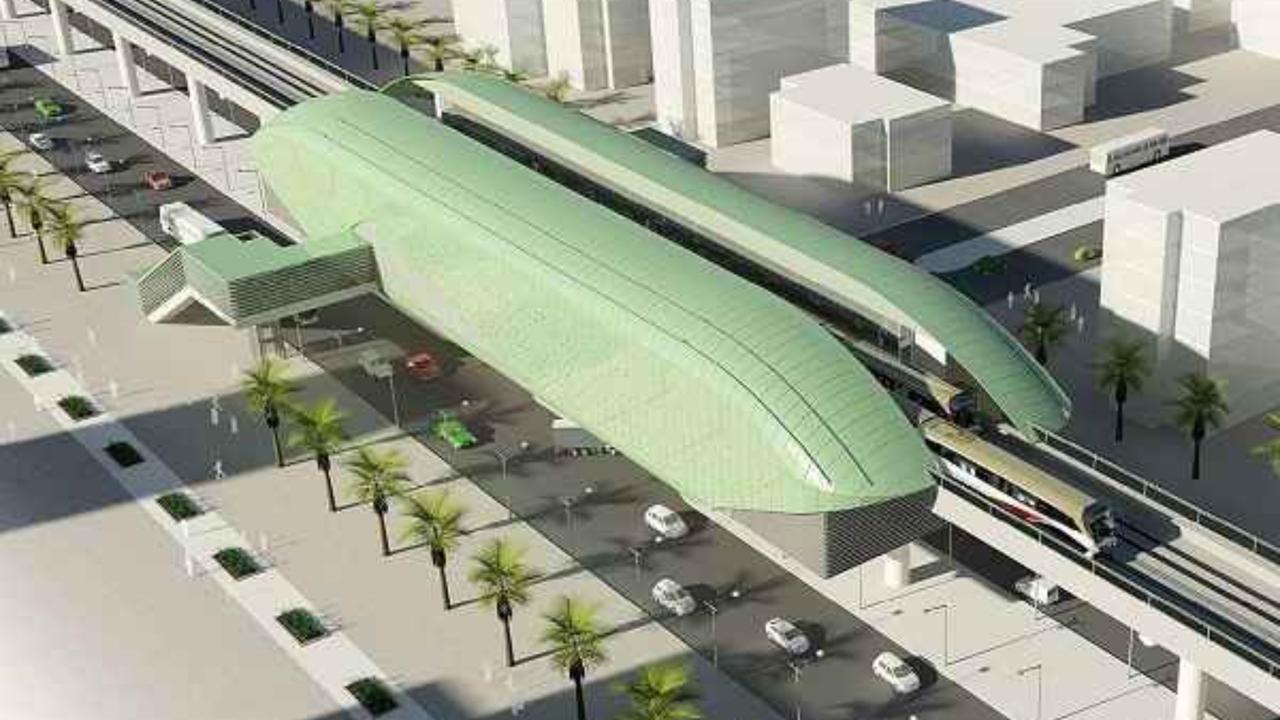
Stations are being designed to handle increased passenger volumes efficiently, featuring streamlined ticketing, accessibility features, and connectivity to other public transport systems. These improvements are expected to make rail travel a preferred mode of transportation for both business and leisure passengers.
Economic and Strategic Implications
Analysts suggest that the high-speed rail investment will have far-reaching economic and strategic benefits. By reducing travel times between major cities, the project can increase labor mobility, support tourism growth, and stimulate regional trade.
The initiative also positions Saudi Arabia as a leader in high-speed rail development in the Gulf region, enhancing its technological capabilities and expertise in rail operations. Long-term, the network could serve as a model for other Middle Eastern nations seeking to modernize their transport infrastructure.
Challenges and Opportunities
Despite the promise of high-speed rail, challenges remain. Construction of new lines must contend with harsh climatic conditions, desert landscapes, and existing urban development. Coordinating land acquisition, environmental compliance, and infrastructure integration requires meticulous planning.
Additionally, workforce development is essential to ensure that the kingdom has the technical skills needed to operate and maintain high-speed rail systems. Training programs, knowledge transfer from international partners, and local talent cultivation will be key to long-term operational success.
Global Benchmarking and Best Practices
Saudi Arabia is drawing lessons from international high-speed rail networks, including Japan’s Shinkansen, France’s TGV, and China’s CRH systems. Incorporating best practices in train design, track maintenance, scheduling, and passenger services will help ensure that the kingdom’s network meets global standards for speed, reliability, and safety.
Experts highlight that adopting proven technologies and operational frameworks can accelerate deployment timelines and reduce the risks associated with introducing new high-speed rail systems.
Passenger-Centric Innovations
The new high-speed trains are designed to cater to modern travelers. Digital ticketing, real-time travel updates, integrated transport apps, and enhanced station amenities are expected to improve the overall passenger experience.
Accessibility remains a priority, with stations and trains featuring ramps, elevators, and tactile guidance for passengers with reduced mobility. Onboard features such as ergonomic seating, improved lighting, and noise control contribute to a more pleasant journey.
Future Outlook
Saudi Arabia’s investment in high-speed rail represents a transformative step for the country’s transportation landscape. As the network expands, it is expected to connect major economic hubs, reduce dependency on road and air travel, and provide a sustainable alternative for intercity transport.
The project also signals the kingdom’s commitment to long-term infrastructure modernization, positioning it as a regional leader in high-speed rail development. By combining advanced technology, passenger-focused design, and strategic planning, Saudi Arabia aims to deliver a world-class rail system that meets the needs of a rapidly growing population and economy.
Strategic Partnerships and Global Collaboration
To ensure the success of its high-speed rail program, Saudi Arabia is collaborating with international manufacturers, engineering firms, and technology providers. These partnerships facilitate knowledge transfer, access to cutting-edge technology, and adherence to global best practices in high-speed rail operations.
International collaboration also supports the development of local expertise, ensuring that the kingdom can operate, maintain, and expand its network independently in the future.
Saudi Arabia’s ambitious high-speed rail investment represents a pivotal moment for the kingdom’s transportation infrastructure. With modern trains, enhanced passenger services, and integrated infrastructure, the network is poised to transform intercity travel, promote economic growth, and reduce environmental impact.
As the project progresses, Saudi Arabia is positioning itself as a model for high-speed rail development in the Middle East, demonstrating how strategic investments in technology, safety, and passenger experience can drive long-term economic and social benefits.
By modernizing its rail system, the kingdom is not only enhancing domestic connectivity but also reinforcing its global reputation as a forward-thinking, innovative nation committed to sustainable and efficient transport solutions.
Saudi Arabia, High-Speed Trains



Advances in Aerospace Technology and Commercial Aviation Recovery
Insights into breakthrough aerospace technologies and commercial aviation’s recovery amid 2025 chall

Defense Modernization and Strategic Spending Trends
Explore key trends in global defense modernization and strategic military spending shaping 2025 secu

Tens of Thousands Protest in Serbia on Anniversary of Deadly Roof Collapse
Tens of thousands in Novi Sad mark a year since a deadly station roof collapse that killed 16, prote

Canada PM Carney Apologizes to Trump Over Controversial Reagan Anti-Tariff Ad
Canadian PM Mark Carney apologized to President Trump over an Ontario anti-tariff ad quoting Reagan,

The ad that stirred a hornets nest, and made Canadian PM Carney say sorry to Trump
Canadian PM Mark Carney apologizes to US President Trump after a tariff-related ad causes diplomatic

Bengaluru-Mumbai Superfast Train Approved After 30-Year Wait
Railways approves new superfast train connecting Bengaluru and Mumbai, ending a 30-year demand, easi




