Post by : Saif
Tesla has lowered its planned capital spending for 2026 to around $20 billion, even as CEO Elon Musk pushes ahead with ambitions in artificial intelligence (AI), robotaxis and humanoid robots. The move comes as Musk explores a potential merger between Tesla and SpaceX, raising questions about how the electric vehicle maker will balance its investment plans with future business opportunities.
The company announced the revised spending forecast after reporting stronger-than-expected revenue and positive free cash flow for the third quarter ending September 30, 2026. Tesla had previously expected its annual capital expenditure to exceed $25 billion, making the new forecast a reduction of roughly 20%.
Despite the lower spending plan, Tesla continues to face pressure to turn its ambitions in autonomous driving, robotics and AI into profitable businesses. Investors are also watching how the company will compete with electric vehicle manufacturers offering newer and often cheaper models.
Tesla recorded $1.53 billion in free cash flow during the third quarter, significantly exceeding market expectations. Analysts had anticipated a cash outflow of around $4.92 billion, reflecting concerns about the company's planned investments.
Capital expenditure during the quarter totalled $4.7 billion, compared with the $7.5 billion expected by analysts. Although this spending was twice the amount recorded a year earlier, it remained well below market forecasts.
The financial results initially lifted Tesla shares by around 2% in after-hours trading. However, the stock later reversed direction and fell about 2%. Tesla shares had already declined roughly 14% since the beginning of 2026.
The lower investment spending helped improve cash flow, but it also raised concerns about whether the company is committing enough resources to its future technology plans.
Musk said on Tuesday that combining Tesla and SpaceX was a good idea. Both companies have established special committees to discuss a possible deal, although the details and final outcome remain uncertain.
A merger could bring together Tesla's electric vehicles and energy operations with SpaceX's rocket technology, satellite communications and other businesses. It could also connect Musk's long-term plans for AI, manufacturing, robotics and transportation.
However, the proposal faces important questions about financing, corporate structure and the interests of shareholders in both companies. Investors will also want to understand how the companies would manage their different business operations and investment requirements.
SpaceX is preparing for substantial spending of its own, making Tesla's cash position an important consideration in discussions about a possible combination.
Tesla's future growth plans increasingly depend on technologies beyond conventional electric vehicles. The company is developing robotaxis and humanoid robots while continuing to invest in AI systems.
However, the rollout of its robotaxi services has progressed more slowly than Musk previously promised. Investors are looking for evidence that these projects can generate meaningful revenue and become commercially sustainable.
Tesla also faces growing competition in the electric vehicle market, where manufacturers are introducing new models at competitive prices. Its Model 3 and Model Y remain central to its vehicle business, while its energy division has provided another source of growth.
The company has said demand for its vehicles is increasing and that its passenger vehicle backlog has reached its highest level in four years.
Tesla's third-quarter revenue remained broadly unchanged compared with the same period a year earlier, but it exceeded Wall Street expectations. Net income, however, dropped 43%, highlighting the pressure on profitability.
The company delivered 486,532 vehicles during the quarter, putting it on course to increase annual deliveries for the first time in three years.
Tesla also reported that its supervised Full Self-Driving (FSD) software had reached more than three-quarters of new vehicle deliveries in North America, an increase of nearly 20 percentage points from the second quarter.
Automotive gross margin, excluding regulatory credits, reached 18.1%, above analysts' expectations of 16.7%.
Read more: Tesla Avoids California License Suspension After Changing Autopilot Marketing
Tesla's lower spending forecast presents a mixed picture for investors. Stronger cash flow provides greater financial flexibility as Musk considers a potential SpaceX deal, but reduced investment could also affect the pace of development in AI, autonomous vehicles and robotics.
The company has not specified which projects or spending categories will account for the reduction in its 2026 capital expenditure forecast.
Investors will therefore be watching Tesla's upcoming financial updates for details about investment priorities, vehicle demand, robotaxi expansion and the progress of discussions involving SpaceX. The balance between financial discipline and long-term technology investment will remain central to the company's outlook.
#trending #latest #Tesla #SpaceX #ElonMusk #TeslaNews #ArtificialIntelligence #Robotics #Robotaxi #ElectricVehicles #BusinessNews #TechnologyNews


Advances in Aerospace Technology and Commercial Aviation Recovery
Insights into breakthrough aerospace technologies and commercial aviation’s recovery amid 2025 chall
Defense Modernization and Strategic Spending Trends
Explore key trends in global defense modernization and strategic military spending shaping 2025 secu
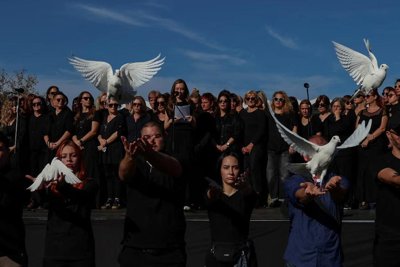
Tens of Thousands Protest in Serbia on Anniversary of Deadly Roof Collapse
Tens of thousands in Novi Sad mark a year since a deadly station roof collapse that killed 16, prote
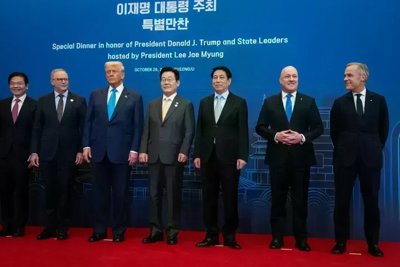
Canada PM Carney Apologizes to Trump Over Controversial Reagan Anti-Tariff Ad
Canadian PM Mark Carney apologized to President Trump over an Ontario anti-tariff ad quoting Reagan,
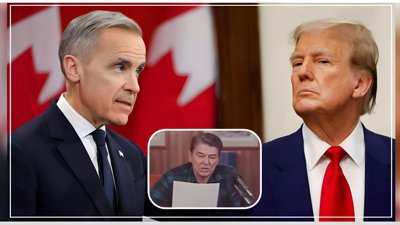
The ad that stirred a hornets nest, and made Canadian PM Carney say sorry to Trump
Canadian PM Mark Carney apologizes to US President Trump after a tariff-related ad causes diplomatic
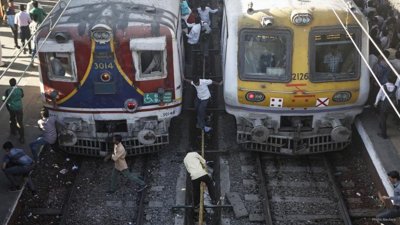
Bengaluru-Mumbai Superfast Train Approved After 30-Year Wait
Railways approves new superfast train connecting Bengaluru and Mumbai, ending a 30-year demand, easi