Post by : Saif
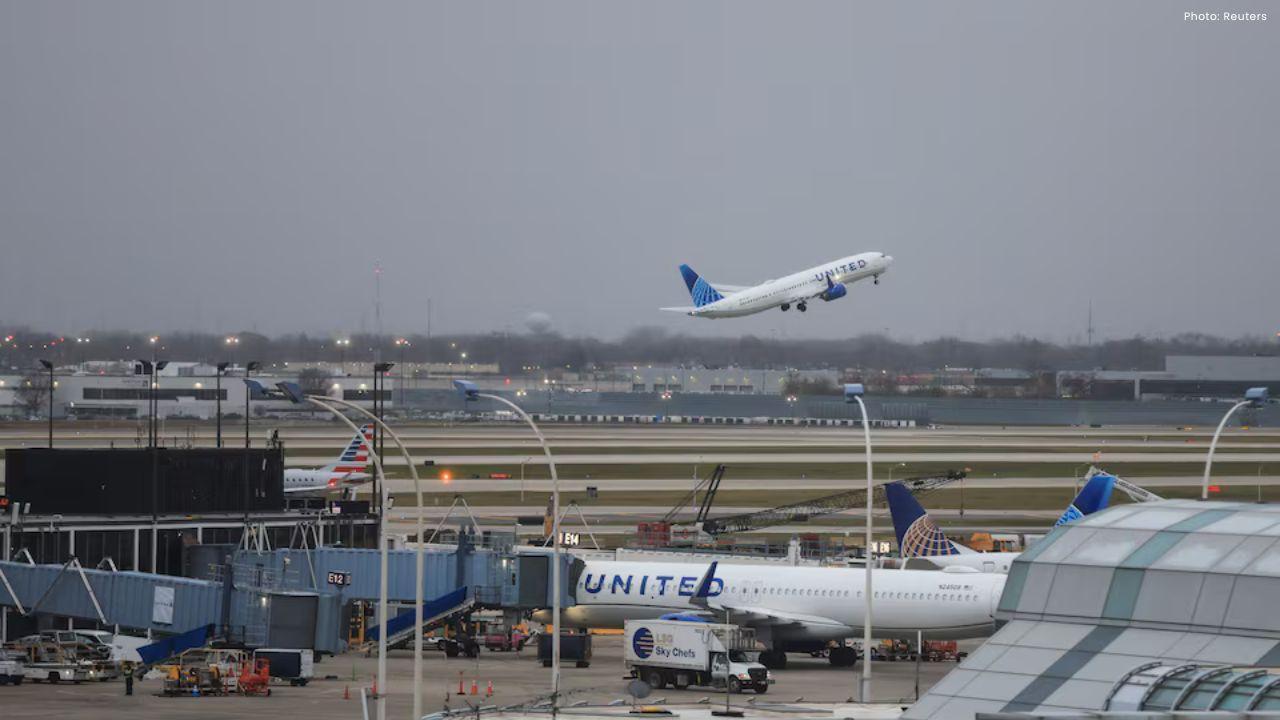
Chicago’s O’Hare International Airport has once again become the center of a major airline rivalry. United Airlines and American Airlines are competing strongly to win passengers, control gates, and secure long-term dominance at one of the busiest and most important airports in the world. This contest is not just about more flights, but about power, access, and future profits.
After the pandemic, United rebuilt its operations at O’Hare faster than American. This early move gave United a clear advantage. Over time, what started as a recovery effort turned into a full-scale battle over routes, schedules, premium services, and market share. Experts say the outcome of this fight could shape airline pricing and competition for years to come.
American Airlines is now trying to regain ground. The company says Chicago has been part of its history since its earliest days and calls O’Hare its third-largest hub. In late December, American announced its biggest spring schedule ever at the airport. It plans to add about 100 flights on busy days and serve more than 75 destinations. This would raise its daily flights to over 500, a sharp increase from last year. American is also expanding seasonal flights to cities like Paris and Dublin to attract international travelers.
United, however, is moving even faster. This summer, it plans nearly 650 daily flights from O’Hare to around 200 destinations. United’s larger number of gates allows it to offer more connections and flexible schedules. The airline says it has hired thousands of local workers in Chicago and plans to add many more by 2027, showing its long-term commitment to the city.
United’s strategy appears to be working. The airline reported that it canceled only about 1% of its scheduled flights at O’Hare last year, the lowest level in its history there. It also claims to hold nearly a 20 percentage-point lead in local passenger share over American. United says this gap reflects steady investment, faster growth, and more reliable service. Its chief executive has described O’Hare as solidly profitable and has questioned whether American’s comeback can last.
American’s leadership disagrees. The company believes Chicago is large and important enough to support two major airlines. Aviation experts note that O’Hare is unusual because most large U.S. airports are dominated by a single carrier. Recent data shows O’Hare grew faster than any other major U.S. hub last year in passenger numbers, flights, and gate use, highlighting how valuable the airport remains.
The rivalry also reflects a bigger change in the airline industry. Today, success depends less on cheap tickets and more on control of gates and flight schedules. Business travelers, who pay higher fares, prefer airports where airlines offer frequent flights and easy connections. When American announced new routes last year, United quickly responded by adding more flights, showing how intense the competition has become.
Chicago officials say this rivalry benefits travelers. With eight runways and a major terminal expansion planned over the next decade, the city believes the airport can handle the competition. More airlines fighting for passengers could mean better schedules, more nonstop routes, and possibly lower fares.
Chicago’s central location makes it a key link between the East and West Coasts and a gateway to Europe and Asia. The city’s strong business community creates demand for premium seats, lounges, and reliable service. Both airlines are investing heavily in these areas. United is expanding premium seating, upgrading lounges, and adding faster onboard internet. American says it now offers premium seating on every O’Hare flight and has upgraded aircraft on important routes like Chicago to London.
Despite American’s efforts, United currently operates about half of all scheduled flights at O’Hare, while American handles roughly one-third. This gap widened after United gained more gates and American lost some in a city-led reallocation. American later bought two gates from another airline to recover part of the lost capacity and says its growing schedule will help in future gate decisions.
Experts warn that the rivalry carries risks. American’s growth without enough gate access could strain its operations, while United may need to offer discounts to defend its lead. Still, both airlines agree on one point: Chicago’s O’Hare Airport is too important to give up. The battle for control is far from over, and its result will shape the future of air travel in the city.
#trending #latest #UnitedAirlines #AmericanAirlines #ChicagoOHare #AviationNews #AirlineRivalry #USAirports



Advances in Aerospace Technology and Commercial Aviation Recovery
Insights into breakthrough aerospace technologies and commercial aviation’s recovery amid 2025 chall

Defense Modernization and Strategic Spending Trends
Explore key trends in global defense modernization and strategic military spending shaping 2025 secu

Tens of Thousands Protest in Serbia on Anniversary of Deadly Roof Collapse
Tens of thousands in Novi Sad mark a year since a deadly station roof collapse that killed 16, prote

Canada PM Carney Apologizes to Trump Over Controversial Reagan Anti-Tariff Ad
Canadian PM Mark Carney apologized to President Trump over an Ontario anti-tariff ad quoting Reagan,

The ad that stirred a hornets nest, and made Canadian PM Carney say sorry to Trump
Canadian PM Mark Carney apologizes to US President Trump after a tariff-related ad causes diplomatic

Bengaluru-Mumbai Superfast Train Approved After 30-Year Wait
Railways approves new superfast train connecting Bengaluru and Mumbai, ending a 30-year demand, easi




