Post by : Saif
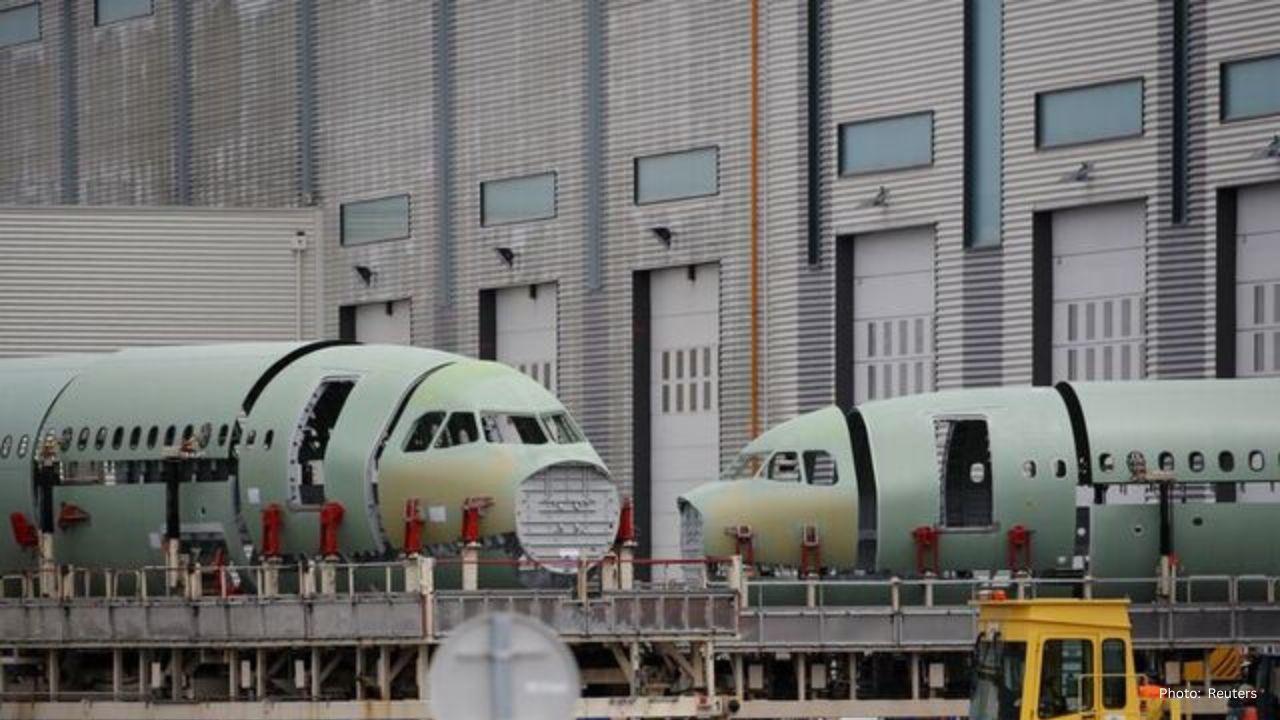
Air travel around the world is facing sudden pressure after Airbus ordered an emergency recall of 6,000 A320-family jets, one of the most widely used aircraft models on the planet. The recall was announced after a serious software fault was found in the flight-control system, raising fears of unexpected risks during flights. This issue appears to be linked to solar flares interfering with critical flight-control data, making the problem more urgent than anyone expected.
The Airbus A320 is trusted by more than 350 airlines and is used for millions of flights each year. When the recall was issued, around 3,000 A320 jets were already in the air. The A320 family had recently become the most-delivered aircraft model in aviation history, even surpassing the Boeing 737. But now it faces one of the biggest recalls Airbus has ever carried out in its 55-year history.
The repair itself is simple but extremely important. Airbus has instructed airlines to immediately switch back to an older version of the flight-control software. Planes cannot fly regular passengers until this fix is installed, though they may be repositioned to repair bases. Since the A320 is the backbone of many airlines, the recall is causing a wave of delays and cancellations across the world.
American Airlines, the largest operator of A320 jets, said 340 of its 480 aircraft need the fix. Each repair takes about two hours, and the airline expects to finish most of them quickly. Other major operators, such as Lufthansa, IndiGo and easyJet, have also begun taking aircraft out of service for the repair. Avianca, the main airline in Colombia, said more than 70% of its fleet is affected and stopped ticket sales for travel dates until December 8.
There are more than 11,300 A320-family jets flying globally, and more than half are included in this recall. Industry experts estimate that two-thirds of those planes will face brief groundings. This comes at the worst possible time, as airlines are already struggling with engine shortages, long repair delays and a shortage of aviation engineers. Travel demand is also at its peak with the U.S. Thanksgiving weekend and the start of the holiday travel season.
Some airlines have reacted quickly. EasyJet said it had already completed the repairs on its fleet. But many carriers fear that repair centres will not have enough space or manpower to handle the sudden workload. Aviation analysts warn that it will be difficult to schedule so many fixes at once without affecting passengers.
This recall was triggered by a disturbing event. A JetBlue flight from Cancun to Newark suddenly dropped in altitude on October 30, injuring several passengers. The jet later made an emergency landing in Tampa, Florida. Investigators discovered that a flight-control computer called ELAC, which manages the plane’s pitch and movements, may have received corrupted data. Experts believe a solar flare may have interfered with the aircraft’s system, causing the frightening drop.
The U.S. Federal Aviation Administration launched an investigation, and Europe’s aviation safety agency quickly issued an emergency order making the repairs mandatory. Reuters reported that some aircraft may also need hardware replacements, which could take longer than software fixes.
Flights across the world have already been disrupted. Air France cancelled 35 flights, while Air New Zealand warned of delays and cancellations. Finnair passengers were delayed almost an hour as pilots checked their software version. Airlines in Mexico, India, Europe and the United States are all reporting similar problems.
The A320 is trusted for its advanced technology, especially its “fly-by-wire” controls, which use computers to manage aircraft movement. But this incident has raised tough questions about how modern jets depend on electronics and whether climate and space weather events—like solar flares—are becoming a new risk factor for aviation.
The Airbus A320 family competes directly with the Boeing 737 MAX, which was grounded worldwide for nearly two years after two deadly crashes linked to software failures. With global air travel increasing, both aircraft families are essential for airlines and economies. Any disruption to their operations can affect millions of passengers.
As airlines work around the clock to update their fleets, travelers are being advised to check flight schedules frequently. The aviation industry hopes the quick repair time will allow most planes to return to service soon. Still, the recall has shaken confidence and reminded the world that even the most advanced aircraft can face unexpected technological challenges.
For now, Airbus, airlines and regulators face enormous pressure to regain public trust and ensure that similar failures cannot happen again. Safety remains the biggest priority, but the global travel system is already feeling the impact of this large-scale recall.
#trending #latest #AirbusRecall #A320News #AviationSafety #GlobalFlights #armustnews #FlightDelays #AirTravel #AviationIndustry



Advances in Aerospace Technology and Commercial Aviation Recovery
Insights into breakthrough aerospace technologies and commercial aviation’s recovery amid 2025 chall

Defense Modernization and Strategic Spending Trends
Explore key trends in global defense modernization and strategic military spending shaping 2025 secu

Tens of Thousands Protest in Serbia on Anniversary of Deadly Roof Collapse
Tens of thousands in Novi Sad mark a year since a deadly station roof collapse that killed 16, prote

Canada PM Carney Apologizes to Trump Over Controversial Reagan Anti-Tariff Ad
Canadian PM Mark Carney apologized to President Trump over an Ontario anti-tariff ad quoting Reagan,

The ad that stirred a hornets nest, and made Canadian PM Carney say sorry to Trump
Canadian PM Mark Carney apologizes to US President Trump after a tariff-related ad causes diplomatic

Bengaluru-Mumbai Superfast Train Approved After 30-Year Wait
Railways approves new superfast train connecting Bengaluru and Mumbai, ending a 30-year demand, easi




