Post by : Amit
A Digital Leap into Automotive Elegance
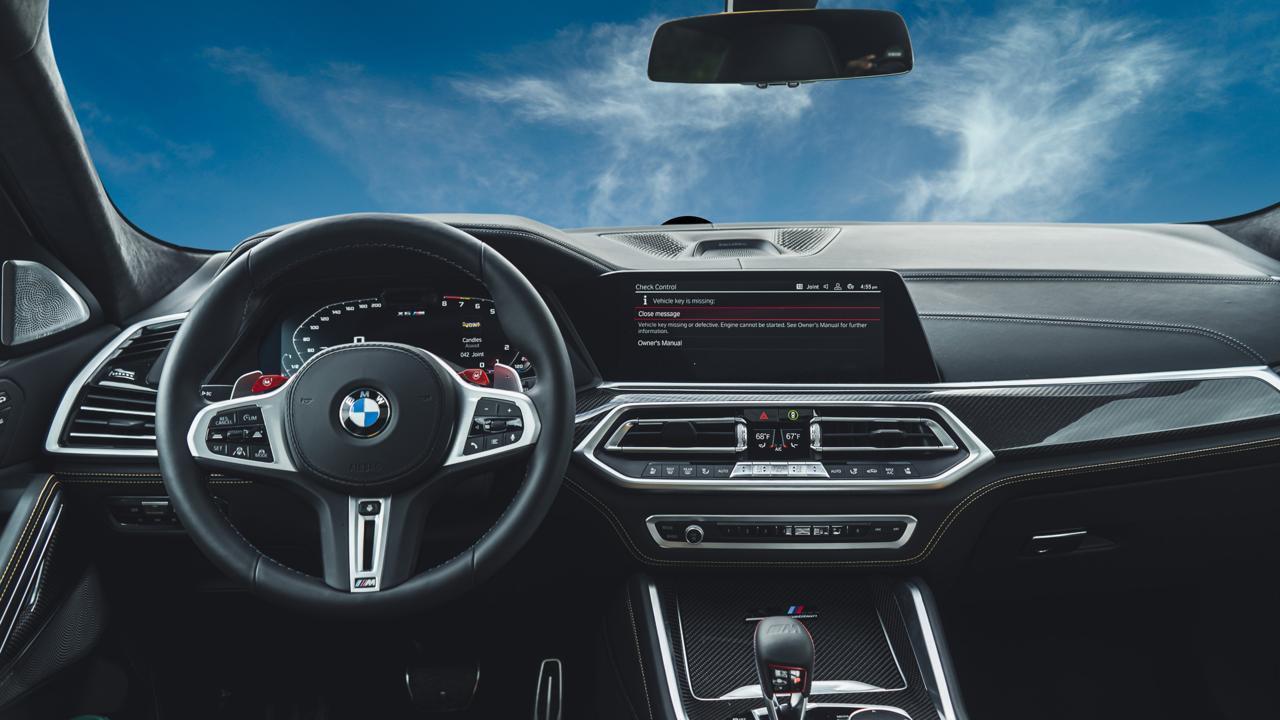
BMW is once again reshaping the future of in-car experiences with the unveiling of its Panoramic iDrive system, a radical new take on infotainment that will debut with the brand’s Neue Klasse electric vehicle lineup. Unlike traditional dashboard screens, this immersive system spans the entire width of the dashboard, delivering a bold blend of digital minimalism, AI personalization, and futuristic control interfaces.
Designed to replace traditional clusters and center stacks, the Panoramic iDrive integrates directly into the vehicle architecture—creating a seamless visual layer that responds to the driver's needs through intuitive gestures, voice commands, and ambient lighting cues. This marks a significant evolution in BMW’s longstanding iDrive journey, shifting the focus from physical inputs to context-aware digital interaction.
A Wide Horizon of Information
Visually, the new system is stunning. The Panoramic iDrive display sits just below the windshield, stretching horizontally from one A-pillar to the other, allowing drivers and passengers to access real-time information across an uninterrupted digital plane. Whether it's navigation, vehicle diagnostics, climate control, or multimedia content, the layout is built to surface only relevant data at the right time.
Its sleek design blends into the dashboard’s trim when inactive, and when illuminated, it becomes an animated layer that reacts to voice, touch, and eye movement—a system designed to disappear when not needed and become powerful when called upon.
Debuting in Neue Klasse: BMW’s Next-Gen EV Platform
The first vehicles to receive the Panoramic iDrive will be BMW’s Neue Klasse electric models, due for launch in 2025. These vehicles represent the company’s largest EV transition since the i3, offering redesigned architecture, improved range, and a digitally immersive cabin environment.
The Panoramic iDrive is a pillar of this new direction, reflecting BMW’s vision of the car as a dynamic digital device, where the interface evolves with the user’s habits and preferences. Neue Klasse vehicles will also feature a multi-layered digital architecture, allowing the iDrive to interface seamlessly with cloud services, smartphones, and even smart home ecosystems.
Control, Simplified Through Intelligence
At the heart of the Panoramic iDrive is a machine-learning algorithm that enables the system to adapt to the user’s patterns. It remembers preferred routes, favorite settings, recurring schedules, and even environmental conditions to offer automated suggestions—whether it's increasing cabin temperature on a cold morning or suggesting a scenic detour during a routine commute.
The system uses BMW’s next-gen voice assistant, improved to understand natural speech and respond with more nuanced reactions. Gesture control has also been refined, allowing the driver to navigate menus, adjust volume, or accept calls with simple hand movements.
Information at a Glance, Distraction-Free
One of the primary goals of this new interface is reducing visual overload. With vehicle interiors increasingly filled with screens, BMW’s Panoramic iDrive offers an alternative design philosophy: show only what matters. The display adapts in real time to driving context, highlighting navigation and critical systems during motion, while expanding entertainment or app functions when the vehicle is stationary or in autonomous mode.
Moreover, the system supports augmented reality overlays, which can project turn-by-turn guidance, speed limits, and hazard alerts directly into the driver’s field of view in a clear, unobtrusive way.
Sustainable, Slim, and Software-Defined
Beyond aesthetics and interactivity, the Panoramic iDrive is also part of BMW’s sustainability strategy. By reducing the number of physical buttons and components, the company has lowered manufacturing complexity and material use, improving both recyclability and long-term system upgradeability.
Built as a software-defined component, the display system is ready for over-the-air (OTA) updates, allowing future features, UI enhancements, and app integrations to be deployed remotely, keeping the system current throughout the vehicle's lifecycle.
Passenger Experience Reimagined
Not just for drivers, the Panoramic iDrive also engages passengers. The display’s width allows for passenger-specific zones, which can present different media or settings, enabling dual control without physical conflict. Combined with ambient lighting and a custom sound system, it turns the vehicle cabin into a multisensory, personal retreat.
Future iterations may even support multi-profile environments, where family members or frequent users have preloaded cabin setups—including seat positioning, favorite apps, and navigation habits—activated simply by entering the car.
Competing with the Best in Tech and Mobility
BMW’s bold design direction places it in direct competition with tech-forward automakers like Tesla, Mercedes-Benz (MBUX Hyperscreen), and Nio, all of whom have pursued widescreen interfaces and smart cabin environments. Yet BMW’s edge lies in its understated luxury and driver-centric functionality—blending innovation without over-saturating the user with unnecessary data.
Unlike others that emphasize screen size alone, BMW is betting on intelligence and adaptability as the true currency of the modern cockpit.
The Dashboard Becomes Dynamic
With the launch of the Panoramic iDrive, BMW has laid down a strong marker for the future of luxury mobility. No longer just a vehicle interface, this new system acts as a bridge between machine and user, designed to grow, learn, and elevate the driving experience.
In an era where vehicles are becoming digital spaces as much as transportation tools, the Panoramic iDrive sets a compelling standard: a display system that’s intelligent, elegant, and unmistakably BMW.
BMW, Car, Transport, Electric Vehicle, Tesla



Advances in Aerospace Technology and Commercial Aviation Recovery
Insights into breakthrough aerospace technologies and commercial aviation’s recovery amid 2025 chall

Defense Modernization and Strategic Spending Trends
Explore key trends in global defense modernization and strategic military spending shaping 2025 secu

Tens of Thousands Protest in Serbia on Anniversary of Deadly Roof Collapse
Tens of thousands in Novi Sad mark a year since a deadly station roof collapse that killed 16, prote

Canada PM Carney Apologizes to Trump Over Controversial Reagan Anti-Tariff Ad
Canadian PM Mark Carney apologized to President Trump over an Ontario anti-tariff ad quoting Reagan,

The ad that stirred a hornets nest, and made Canadian PM Carney say sorry to Trump
Canadian PM Mark Carney apologizes to US President Trump after a tariff-related ad causes diplomatic

Bengaluru-Mumbai Superfast Train Approved After 30-Year Wait
Railways approves new superfast train connecting Bengaluru and Mumbai, ending a 30-year demand, easi




