Post by : Saif
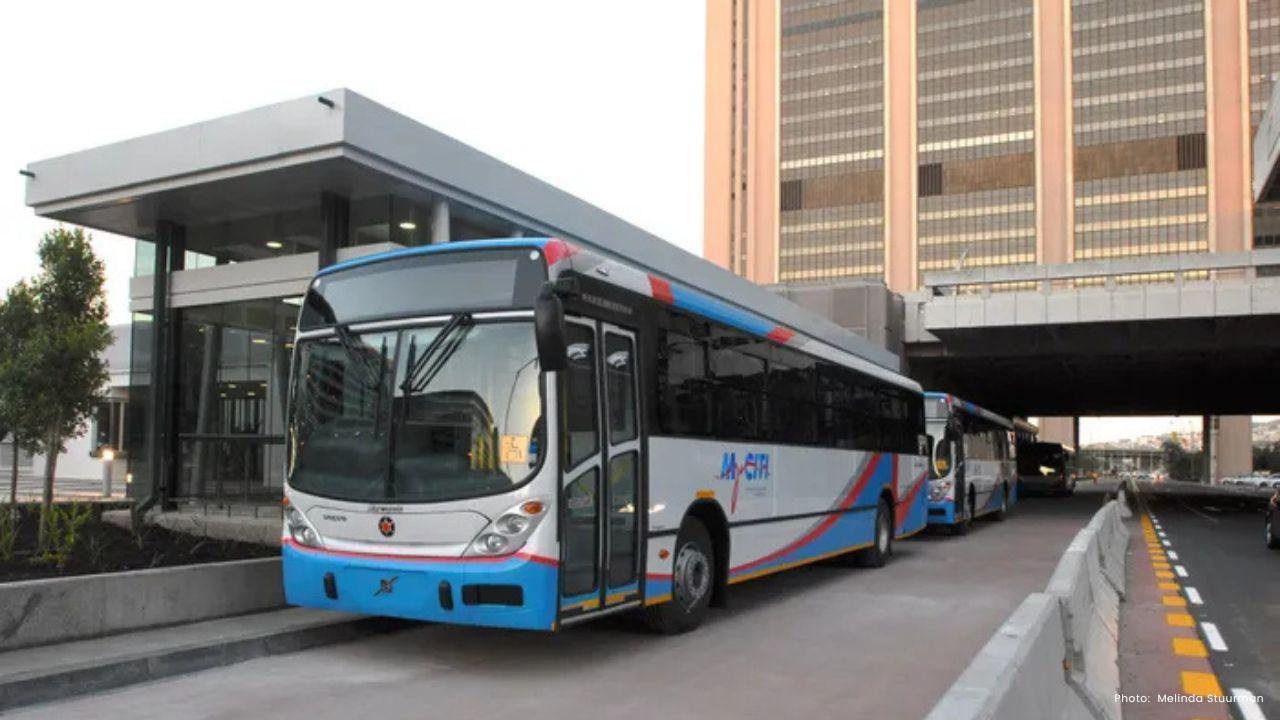
Cape Town is taking an important step toward cleaner and greener transport by piloting electric buses on its MyCiTi bus network. The project marks a major move for the city as it looks to reduce air pollution, lower fuel costs, and improve the daily travel experience for thousands of commuters.
The MyCiTi bus system is a key part of public transport in Cape Town. It connects residential areas with the city center and other major locations. By introducing electric buses, the city hopes to modernize this system while also protecting the environment.
Electric buses do not use diesel or petrol. Instead, they run on electricity stored in batteries. This means they produce no exhaust fumes while driving. City officials say this can help improve air quality, especially in busy areas where traffic pollution is a serious problem.
Another major benefit of electric buses is lower noise. These buses are much quieter than traditional ones. This can make city streets more pleasant for residents, pedestrians, and nearby businesses. For passengers, the ride is often smoother and more comfortable.
The pilot project will allow Cape Town to test how electric buses perform under local conditions. Officials will study battery life, charging needs, maintenance costs, and how the buses handle long daily routes. The results will help the city decide whether to expand electric buses across the full MyCiTi network in the future.
Cost is also an important factor. Electric buses are usually more expensive to buy than diesel buses. However, they can be cheaper to run over time because electricity costs less than fuel and the engines have fewer moving parts. This can reduce maintenance expenses in the long run.
The city has also linked the project to climate goals. South Africa, like many countries, is working to cut carbon emissions. Transport is a major source of pollution. Moving toward electric public transport can help cities meet climate targets while still supporting economic growth.
Job creation and skills development may also follow. Electric buses require new technical knowledge, including battery systems and charging infrastructure. This can create training opportunities for local workers and support new industries.
Commuters will be watching closely. Reliable service, safe operation, and on-time performance will be key to public support. City leaders say passenger safety and service quality will remain top priorities during the trial.
If the pilot is successful, Cape Town could become a leader in clean public transport in Africa. The electric bus project shows how cities can balance growth, environmental care, and the everyday needs of their people.
#trending #latest #CapeTown #ElectricBuses #PublicTransport #MyCiTi #GreenEnergy #CleanTransport #SustainableCities #armustnews



Advances in Aerospace Technology and Commercial Aviation Recovery
Insights into breakthrough aerospace technologies and commercial aviation’s recovery amid 2025 chall

Defense Modernization and Strategic Spending Trends
Explore key trends in global defense modernization and strategic military spending shaping 2025 secu

Tens of Thousands Protest in Serbia on Anniversary of Deadly Roof Collapse
Tens of thousands in Novi Sad mark a year since a deadly station roof collapse that killed 16, prote

Canada PM Carney Apologizes to Trump Over Controversial Reagan Anti-Tariff Ad
Canadian PM Mark Carney apologized to President Trump over an Ontario anti-tariff ad quoting Reagan,

The ad that stirred a hornets nest, and made Canadian PM Carney say sorry to Trump
Canadian PM Mark Carney apologizes to US President Trump after a tariff-related ad causes diplomatic

Bengaluru-Mumbai Superfast Train Approved After 30-Year Wait
Railways approves new superfast train connecting Bengaluru and Mumbai, ending a 30-year demand, easi




