Post by : Saif
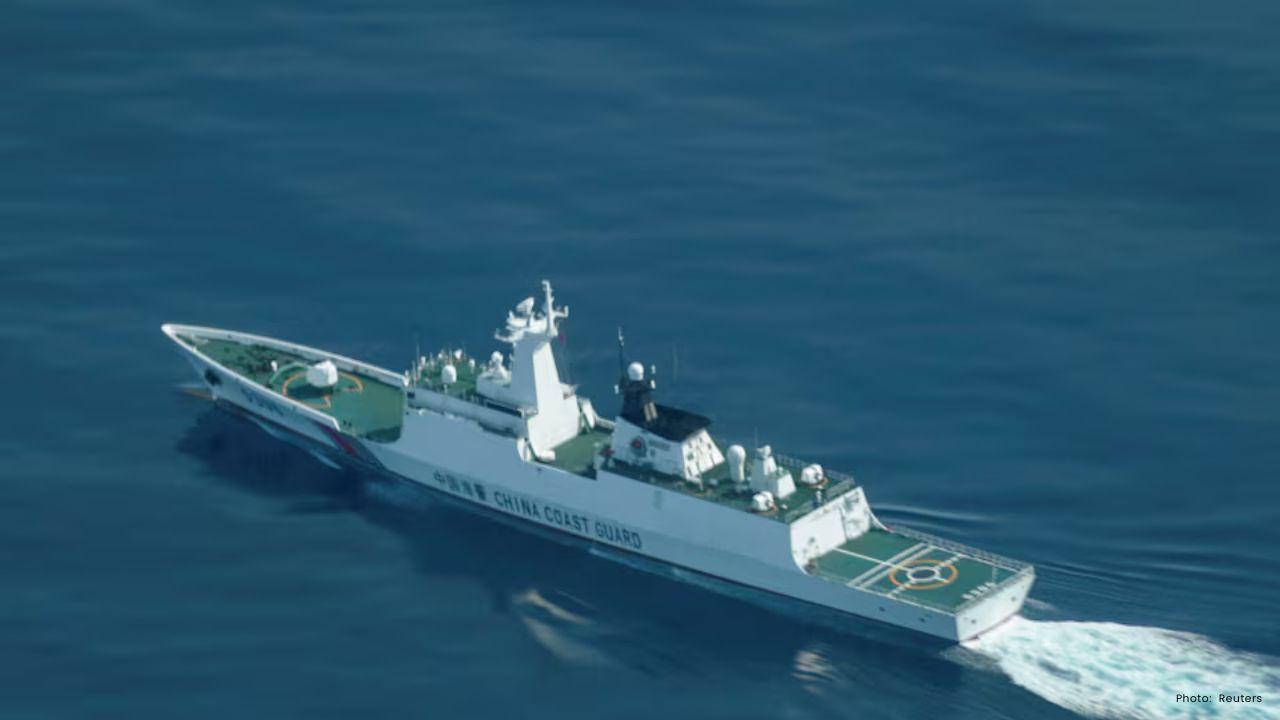
China has carried out several days of naval and air patrols in the disputed South China Sea, according to an official statement from its Southern Theater Command. The patrols took place from Monday to Friday and were described as a move to protect China’s territorial and maritime interests. The announcement has once again drawn attention to one of the most sensitive and risky regions in the world.
The South China Sea is not just a large body of water. It is a major global trade route, a rich fishing area, and is believed to hold oil and gas resources. Several countries — including China, the Philippines, Vietnam, Malaysia, and others — claim parts of it. Because of these overlapping claims, tensions often rise when military ships or aircraft operate there.
In its statement, China accused the Philippines of increasing tensions by working with countries from outside the region to conduct joint air patrols. Chinese officials said such actions harm regional peace and stability. They also said their forces would stay on high alert and continue patrols to defend what they call their sovereignty.
At the time of the announcement, there was no immediate public reply from the Philippine side. However, the Philippines has often said it is acting within its rights and inside its recognized maritime zone. It has also increased security cooperation with friendly nations in recent years.
This situation shows how quickly mistrust can grow in disputed areas. When one country sends more ships and aircraft, others feel the need to respond. Each side says it is acting defensively, but the result can still be greater risk.
From an editorial point of view, regular military patrols in disputed waters may send a message of strength, but they also raise the chance of accidents or miscalculations. A small incident — such as a collision, warning shots, or unsafe flying — can suddenly turn into a larger crisis. History shows that many conflicts begin not with a planned attack, but with a tense encounter that spins out of control.
The South China Sea needs more communication, not just more patrols. Hotlines between militaries, clear rules for ships and aircraft, and faster diplomatic talks can help reduce danger. Agreements on safe distance, radio contact, and shared reporting could prevent misunderstandings.
Another concern is the growing involvement of outside powers. When more countries join patrols or exercises, the region becomes more crowded and more complex. Some see this as necessary balance. Others see it as added pressure. Either way, it increases the number of actors in an already tense space.
Peace in the South China Sea matters far beyond the region. A large part of the world’s trade passes through these waters. Any conflict could affect shipping, fuel prices, and global supply chains. Fishermen and coastal communities would also suffer first.
Strong claims and strong patrols may protect national positions in the short term. But long-term stability will depend on talks, legal processes, and crisis-control systems. Military presence alone cannot solve ownership disputes.
Leaders in the region still have a choice. They can compete in ways that raise danger, or they can compete through dialogue and rules. The second path is slower, but far safer.
#trending #latest #SouthChinaSea #ChinaNavy #Philippines #MaritimeDispute #AsiaSecurity #NavalPatrols #RegionalTensions #Geopolitics #IndoPacific #armustnews



Advances in Aerospace Technology and Commercial Aviation Recovery
Insights into breakthrough aerospace technologies and commercial aviation’s recovery amid 2025 chall

Defense Modernization and Strategic Spending Trends
Explore key trends in global defense modernization and strategic military spending shaping 2025 secu

Tens of Thousands Protest in Serbia on Anniversary of Deadly Roof Collapse
Tens of thousands in Novi Sad mark a year since a deadly station roof collapse that killed 16, prote

Canada PM Carney Apologizes to Trump Over Controversial Reagan Anti-Tariff Ad
Canadian PM Mark Carney apologized to President Trump over an Ontario anti-tariff ad quoting Reagan,

The ad that stirred a hornets nest, and made Canadian PM Carney say sorry to Trump
Canadian PM Mark Carney apologizes to US President Trump after a tariff-related ad causes diplomatic

Bengaluru-Mumbai Superfast Train Approved After 30-Year Wait
Railways approves new superfast train connecting Bengaluru and Mumbai, ending a 30-year demand, easi




